
COP31: Nordic experts able to comment on key topics of the summit
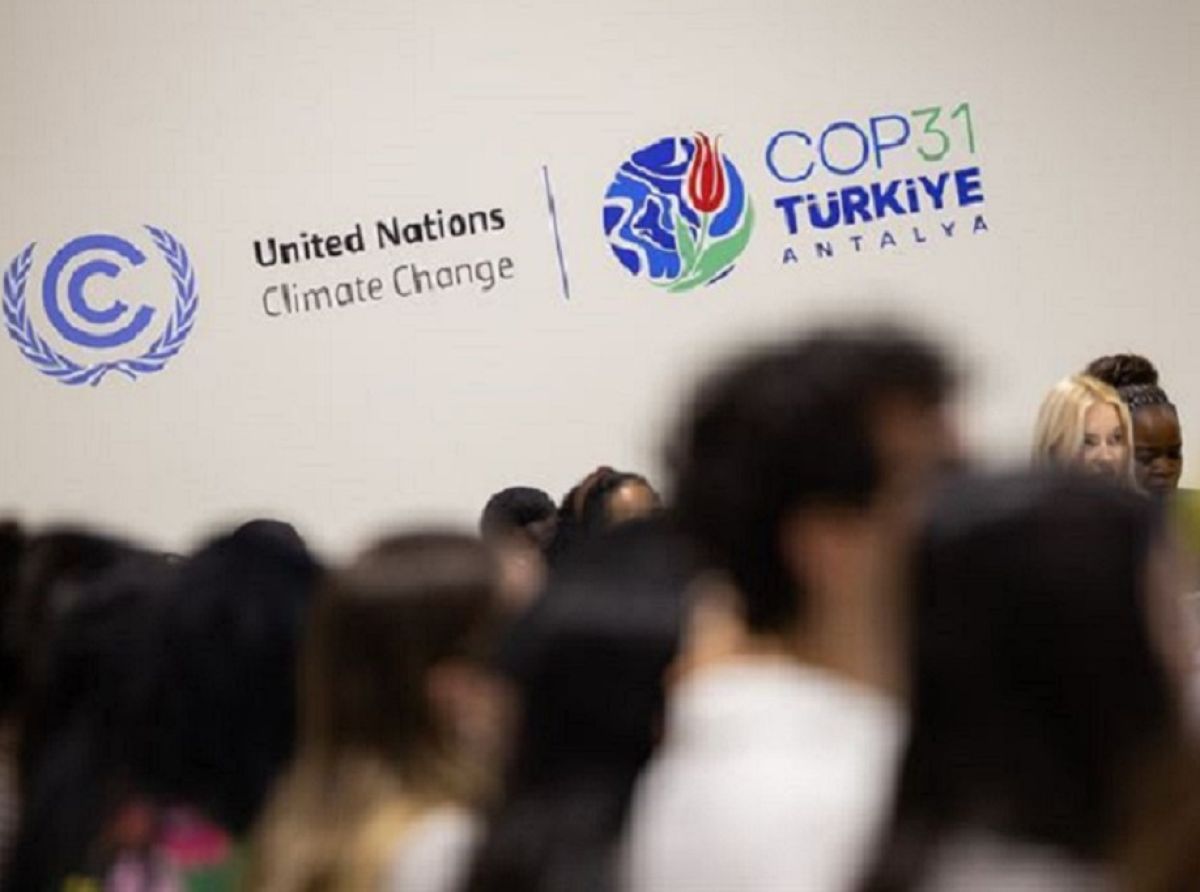
How can the world’s most vulnerable countries secure funding for climate adaptation? Why is emitting carbon dioxide still so cheap?
And what will it take to turn countries’ climate pledges into action? Researchers at Chalmers University of Technology, in Sweden, have vast experience and knowledge in these fields, from contributing to the UN Environment Programme’s (UNEP) Adaptation Gap Report 2026, to assisting with the transport chapter of the IPCC Sixth Assessment Report; below are five experts who can comment on some of the most pressing issues at the ongoing UN Climate Change Conference, COP31.
Representatives from countries around the world are currently gathered in Antalya, Türkiye, for the annual UN climate conference, which runs until 20 November. Recent UN reports have shown that emissions reductions are falling far short of what is needed to meet global climate goals.
One of the conference’s major points of contention is how to secure climate adaptation finance for vulnerable countries hit hardest by climate change. Other key questions include how to reduce dependence on fossil fuels and how countries can deliver on their climate commitments.
Climate finance – how can support reach the world’s most vulnerable?
Georgia Savvidou, PhD in Energy Technology at Chalmers, can offer insights into one of COP31’s major negotiating issues: how to increase climate finance and ensure that support reaches the countries that need it most. She contributed to the UN Environment Programme’s (UNEP) Adaptation Gap Report 2026 – released shortly before the conference – by mapping international financial flows for climate adaptation. She is also contributing to the IPCC’s upcoming assessment report with research on how equity and gender equality are addressed in climate adaptation finance in Africa. Georgia Savvidou can comment on how climate finance is allocated, the extent to which it takes vulnerable groups into account, and what is needed to ensure support reaches those who need it most.
Contact: Georgia Savvidou, PhD, Department of Environmental and Energy Sciences, Chalmers University of Technology, Sweden,
Georgia Savvidou speaks English, Greek and Spanish.
The energy transition – why is emitting carbon dioxide still so cheap?
Filip Johnsson, Professor of Energy Systems at Chalmers and a member of the Swedish Climate Policy Council, studies technologies and policy instruments for reducing climate impact. The world has made major advances in renewable energy, yet global carbon dioxide emissions remain high. Filip Johnsson can comment on why the world has failed to establish a global price on carbon emissions, how fossil fuel subsidies are slowing the transition, and which policy decisions are needed to cut emissions.
Read more: After the UN climate report: what can the world and Sweden do now?
Contact: Filip Johnsson, Professor, Department of Environmental and Energy Sciences, Chalmers University of Technology, Sweden,
Filip Johnsson speaks Swedish and English.
From climate pledges to action – how fast can the transition happen?
Jessica Jewell, Professor of Physical Resource Theory at Chalmers, explores how political and societal factors shape the prospects for the energy transition. She has developed methods to assess how quickly fossil-free energy technologies can be scaled up and which barriers slow progress, focusing on areas including solar and wind power and carbon capture. Her research was recently recognised with the Falling Walls Science Breakthrough of the Year 2026 award. Jessica Jewell can comment on how realistic countries’ climate plans are, which policy instruments are needed, and how quickly new technologies can make an impact.
