
MEPC85: Researcher on how first global climate deal could pave the way for fossil-free shipping
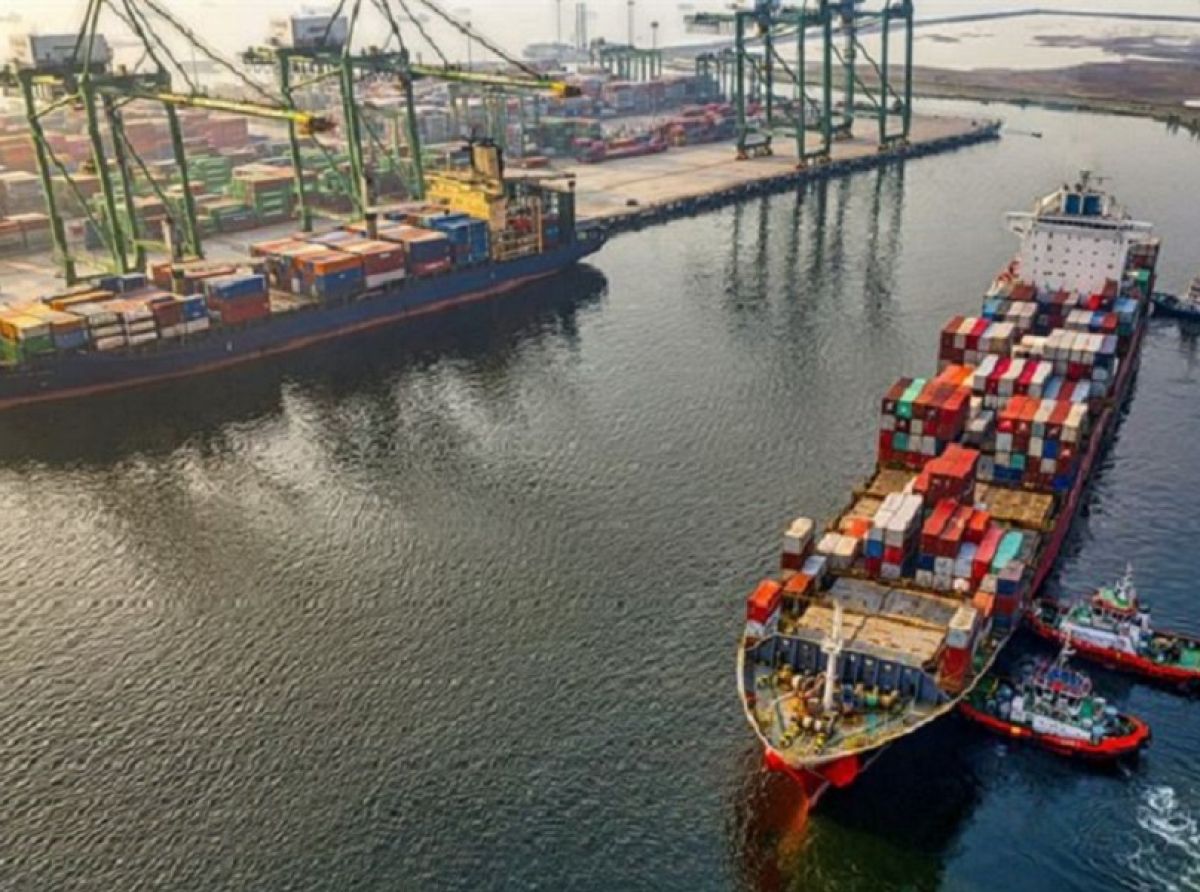
The International Maritime Organization's (IMO) Marine environment protection committee will resume its second extraordinary session*.
The goal is to reach a consensus on the first global regulatory framework to reduce greenhouse gas emissions from shipping. A framework like this would encourage the shipping sector to switch from fossil fuel-based marine fuels, giving lower-emission alternatives a competitive edge. The proposed framework was supposed to have been adopted in 2025, but due to strong opposition and unresolved disputes among some member states, the meeting was postponed for a year.
Experts at Chalmers University of Technology in Sweden are available for interviews in key topics being discussed at the session. Fayas Malik Kanchiralla, a researcher focusing on maritime environmental science, can talk about greenhouse gas emissions from shipping and the importance of a common global regulatory framework. "It is absolutely essential that all member states reach an agreement on effective global measures this time if we are to tackle carbon emissions from shipping,” says Fayas Malik Kanchiralla, who is the lead author of a recent scientific study in Nature Energy, which analyses the different proposed climate regulations: Marine Fuel Choices and related life-cycle environmental impacts under global shipping policies.
“Without a decision, the sector risks falling short of its climate targets, and as such, emissions from the sector may continue to rise." The research shows that the design of the regulatory framework is crucial for reaching the climate neutrality of shipping. It also highlights the benefits of combining economic incentives with fuel greenhouse gas (GHG) intensity standards, rather than focusing on greenhouse gas emissions from ships alone.
The findings are also discussed in the accompanying policy brief, ‘Aligning global shipping climate policies with life cycle perspective’. The International Maritime Organization (IMO) has 176 member states. In 2023, the organization adopted a revised greenhouse gas strategy setting the ambition of reaching net-zero greenhouse gas emissions from international shipping by or around 2050.
In April 2025, IMO's Marine Environment Protection Committee (MEPC) approved the draft Net-Zero Framework, which combines a global marine fuel greenhouse gas intensity standard with a pricing mechanism for greenhouse gas emissions – but efforts to formally adopt the framework encountered a major obstacle in October 2025. The IMO had developed a proposal for a common global regulatory framework to phase out fossil-based marine fuels, and member states were expected to adopt it. Instead, the meeting was adjourned for a year following disagreements among member states, including opposition from the United States and Saudi Arabia.
As a result, there is currently no global regulatory framework governing the use of fossil fuels in shipping. Although the European Union has introduced measures to reduce emissions from shipping, international shipping operates in a global market. A common international framework could help align incentives across countries and reduce the risk that companies investing in climate-neutral fuels face a competitive disadvantage.
"As things stand today, companies investing in low-emission fuels can face higher costs than competit”ors continuing to use fossil-based fuels,” says Fayas Malik Kanchiralla. A well-designed global framework could help change those incentives by rewarding genuine greenhouse gas reductions and creating a more level playing field. Alternatives to adopting the Net-Zero Framework in full would be to remove certain elements of the climate regulations and agree on a modified version.
However, the new study in Nature Energy shows that the details of the policy design matter for reducing the climate impact from shipping. "If we only put a price on emissions from ships' exhaust gases, there is a risk on adoption of fuels that appear cleaner during use, but generate substantial greenhouse gas emissions during production,” says Fayas Malik Kanchiralla.
The research shows why we need to consider the entire life cycle of marine fuels. Otherwise, a policy intended to reduce emissions could shift them upstream and, in some scenarios, increase the overall life-cycle climate impact."
*About the dates of the session: The second extraordinary session of the IMO’s Marine Environment Protection committee was adjourned last October and is scheduled to resume on December 4, subject to discussions at the session scheduled to convene November 30 to December 3.
