
Bonfire Night named the third-riskiest day for house fires in the UK as experts reveal how to stay safe during celebrations
New research by the electrical training provider Elec Training has revealed the days of the year when house fires are most common, based on an analysis of Ministry of Housing fire statistics from 2017 to 2025.
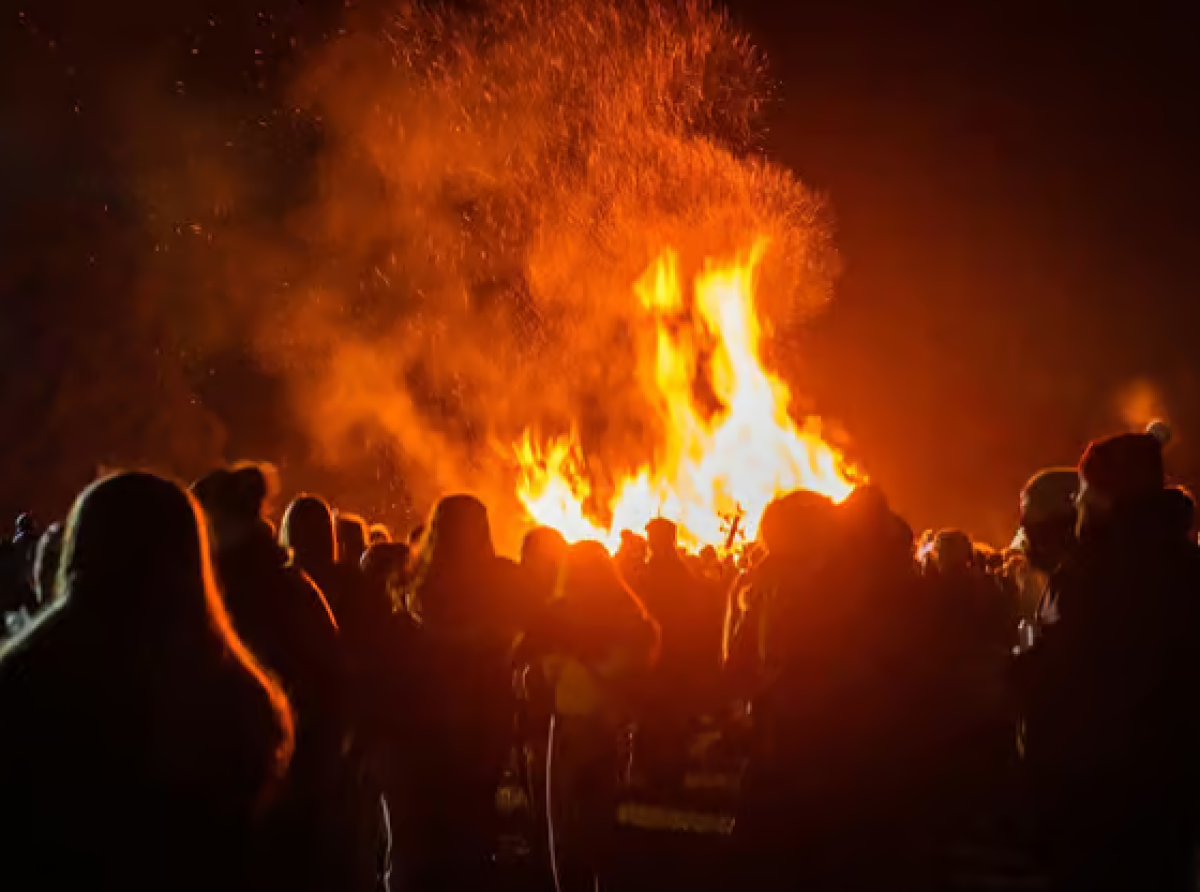
According to the research, Bonfire Night is named the third-riskiest day for house fires in the UK. The study found that 29% more house fires occur on Bonfire Night than on an average day. An average of 97 house fires occurred on Bonfire Night each year between 2017 and 2025, compared with an average of 75.2 per day across the rest of the year.
In November, there were an average of almost 77 house fires each day between 2017 and 2025, making it one of the riskiest months for homeowners. Notably, the 4th of November is also named among the top 10 riskiest dates for house fires, which is likely linked to early Bonfire Night celebrations. Christmas Day is named the most common date for house fires in the UK.
House fires are almost 60% more likely on Christmas Day than on an average day, according to the research. December is identified as the riskiest month for house fires, recording an average of 81.3 fires per day. New Year’s Day is named the second-most hazardous day for house fires.
The study found that house fires are 29.1% more likely to occur on the 1st of January compared to the average day. Christmas Eve is identified as another hazardous date, with house fires being 25% more likely to occur than on an average day. New Year’s Eve is established as the fifth-riskiest date, with house fires 19.2% more common than on an average day.
Other risky dates include Halloween, the 7th of January, and the 17th of December.
The research by Elec Training also examined 2023/24 data from the Ministry of Housing to reveal the UK areas most at risk of electrical fires. An electrical fire is caused by a fault or failure in an electrical system, appliance or device, typically when electrical current generates enough heat or sparks to ignite nearby materials.
Common causes often include faulty or outdated wiring, overloaded sockets and extension leads, damaged cables, and malfunctioning appliances or chargers. The study found that homes in the West Midlands are the most at risk of electrical fires. In 2023/24, there were 371 electrical fires recorded in the area, which is equivalent to 30.81 fires per 100,000 homes. Electrical fires accounted for 27.4% of all fires recorded within the West Midlands.
East Sussex is identified as the second-riskiest area for electrical fires in the UK, recording 29.86 fires per 100,000 homes in 2023/24. Within the year, 118 electrical fires occurred in East Sussex, accounting for 27% of the total number of house fires. Greater Manchester is the third-most hazardous area, recording 29.25 electrical fires per 100,000 homes.
The research found that there were 371 electrical fires in Greater Manchester in 2023/24, which accounted for almost 26% of all accidental house fires within the year. Other hazardous areas include Greater London, Nottinghamshire, and Bedfordshire.
Charanjit Mannu, Director of Elec Training, commented on the findings: “This research shows that seasonal celebrations are among the riskiest times of year for house fires.
“It’s easy to let your guard down when you’re busy celebrating, whether that’s leaving candles burning, overloading sockets with fairy lights and extension leads, leaving the cooker unattended while hosting, or forgetting to switch off decorations overnight. Bonfire Night is also identified as one of the most hazardous dates for house fires, which is why it’s so important for people to follow the correct safety precautions. To mitigate the risk of house fires linked to Bonfire Night, people should opt to attend a professionally organised public firework display rather than setting off fireworks and lighting bonfires at home.
“Setting off fireworks and lighting a bonfire in your own garden comes with considerable risk, as this data shows. If people are planning on hosting their own firework display, then only buy fireworks with a CE or UKCA mark. All fireworks have minimum safety distances that are specified on the label, so it’s crucial to abide by these.
“Do not build a bonfire near hedges, trees, fences, and sheds, and never use petrol or paraffin to light it. The research also highlights the risk of electrical fires in the UK. Electrical fires can start with problems that are easy to miss, such as worn cables, overloaded sockets, or ageing wiring hidden behind walls.
“Because many of these faults develop gradually, it’s important not to ignore warning signs like scorch marks, buzzing sockets, flickering lights or a burning smell. Avoid plugging too many high-powered appliances into one extension lead, and never run cables under rugs or carpets. It’s also worth having your home’s electrics inspected by a registered electrician, typically every 10 years for homeowners or every five years for rented properties.
“It’s crucial to test your smoke alarms regularly, and if you spot a fault, stop using the appliance or socket immediately and get it checked by a qualified professional.”


