Colors: Blue Color

Birmingham and Sutton Coldfield Amnesty International groups are joining together to take part in an online Festival of Social Justice featuring talks, music, debates and celebrations which will be streamed into people’s homes. The Festival of Social Justice between April 16 and May 31 brings together the 40 local Amnesty International groups across Central England in an exciting programme of events for all ages.

These include speakers, music, poetry evenings, photography exhibitions, theatre, panel discussions and the chance for local activists to ‘stand’ on a virtual soapbox and share what social justice means to them. The festival also involves other Amnesty International activist channels and many other community organisations – all participating to spread the word about social justice and human rights and to engage as many people as possible in campaigning actions.

Festival organiser Gethin Davies said: “The Festival of Social Justice offers everyone a chance to take part in lots of fascinating and fun events, learning more about human rights and also hearing some great speakers, music and poetry. We hope thousands of people across the country, and even across the globe, will enjoy the diverse range of events we have put together.” As part of the wider festival, Birmingham is holding Fair Play for All, Children and Other Animals! on Saturday May 15 between 12noon and 10pm.

Fair Play co-organiser John Dolan said: “We are delighted to be part of this amazing festival and have an exciting programme for Fair Play including music, dance, art, a children’s hour and celebrities. You can dip in and out during the day and we’d love to see you there.” Also across Birmingham and Sutton Coldfield, individual groups are organising events as part of the Festival for Social Justice.

Bournville Group’s Freedom of Expression features three weekly events on Wednesdays at 7.30pm – a talk on disinformation on April 21, international views from Mexico, Bangladesh and Turkey on April 28 and Action for Words with stories and guidance to taking action on May 5.

‘Black Lives in Birminam’, photographer, Vanley Burke traces the lives of African Caribbean people. The online event will be held by Bournville group on May 21 at 7.30pm.

Sutton Coldfield Group’s Voices for Change, an Evening of Poetry and Storytelling on Friday April 30 at 8pm features a host of performers including Birmingham Poet Laureate Casey Bailey and local actor and author Patrick Hayes.

Wythall group is linking with Restore (Befrienders), Syrian Resettlement Schemes, City of Sanctuary and Asylum Matters to offer welcome and support and is planning a series of online events between May 4-8.

Amnesty International campaigns for human rights and justice across the globe and has 10 million members and supporters. Founded in London in 1961, Amnesty International this year celebrates its 60th anniversary. The group campaigns for social justice in all its forms.

Festival organiser Ian Myson said: “Promoting social justice is about promoting equality, freedom, diversity and human rights for everyone no matter who and where they are. We hope this festival will encourage more people to become involved in campaigning for social justice and human rights.” All events for the Festival of Social Justice are free but advance booking is recommended.

Public bodies and housing associations are being urged to use their purchasing power to tackle inequality within local communities in a new guide published today Monday, March 29th 2021 by the BetterForUs campaign 2020-4. ‘Procurement for Community Public Good’ provides a route map to how commissioners and communities can collaborate to deliver change across the UK through the adoption of fair procurement principles.

The Guide highlights how authorities can make use of existing laws to tackle disadvantage. It also pinpoints the importance of the Sustainable Development Goals in developing coherence and consistency in delivering public value commissioning across the UK.

The Guide is published in advance of BetterForUs research which shows that commissioners are not effectively making use of existing powers within current procurement law. Regulation 20 of the Public Contracts Regulation 2015 and Regulation 21 of the Public Contracts (Scotland) Regulations provide that commissioning bodies can reserve contracts for positive action programmes and organisations that tackle disadvantage.

Between 2015 and 2020 only eight organisations chose to make use of such provision, with Scotland and Wales leading the way and England and Northern Ireland falling behind. The UK government is currently reviewing procurement law which is a devolved matter in the UK and the BetterForUs Campaign is urging it to retain positive action programmes as an integral part of levelling up.

Katharine Sutton, Director of BetterForUs said: “Lack of investment in the everyday economy is leading to neglected communities and widening inequalities within the community. Public commissioners can help shape local markets and connect them to the needs of people thereby strengthening public services and building community resilience. 

"If only one percent of the procurement spend in the UK was reserved for positive action employment programmes this would generate £2.9 billion for local communities. Now is the time for public authorities and housing associations to maximise their public spend by providing sustainable employment with fair pay and conditions where people are treated with respect.”

Despite the ‘Stay at home’ rule ending, many restrictions are still remaining in place.

Evidence shows that it is safer for people to meet outdoors rather than indoors. This is why from yesterday (March 29), when most schools started to break up for the Easter holidays, outdoor gatherings (including in private gardens) in a group of six (from any number of households), or in a group of any size from up to two households (each household can include existing support bubbles, if eligible), making it easier for friends and families to meet outside.

People are now able to take part in formally organised outdoor sports with any number of people (outdoor sports venues and facilities will be able to reopen) childcare and supervised activities will be allowed outdoors for all children.

Formally organised parent and child groups are able to take place outdoors for up to fifteen attendees. Children under five are not counted in this number.

People should continue to work from home where they can and minimise the number of journeys they make where possible, avoiding travel at the busiest times and routes. Travel abroad is continuing to be prohibited, other than for a small number of permitted reasons. Holidays abroad is still not allowed, to manage the risk of imported variants and protect the vaccination programme. Anyone found to break this rule will risk being fined up to £5,000.

From April 1, those identified as clinically extremely vulnerable will no longer be advised to shield. However, they should continue to take extra precautions to protect themselves. It is important that they continue to keep the number of social interactions they have low and try to limit the amount of time they spend in settings where they are unable to maintain social distancing.

Erdington Councillors welcome Council agreement to their campaign demanding the Council submit Erdington High Street to the new levelling up fund!

Erdington Councillors Robert Alden and Gareth Moore have been fighting for Birmingham City Council to approve thier bid for Erdington High Street to the new levelling up funding recently announced by the Government. As part of their campaign, they have been collecting a petition from local residents calling on Birmingham City Council to put forward Erdington High Street to the levelling up funding.

Cllr Robert Alden, who has been leading the campaign to regenerate Erdington High Street said: "Since Christmas we have been working with local partners to find alternative funding source to be able to secure our redevelopment proposals for Erdington High Street. Since the announcement of the new levelling up funding in the budget we have been targeting this funding source specifically. In recent weeks this has included emails and meeting with officers to try and convince the Council to apply for the levelling up funding. Therefore is it great news that the Council have now agreed to back our bid and put Erdington forward".

Cllr Gareth Moore said: "Given the blunder made by the Council with the calculations for the Future High Street Fund it would have been outrageous if the Council had rejected our calls for our regeneration plans to be amended and resubmitted to the new levelling up funds".

"We will now be continuing our work with the Council and partners over the coming months, said Cllr Alden, “as we have over the last few years, to make sure that the best possible bid goes forward. Erdington is an amazing place but years of neglect by the Council have left it needing transformation and that is what our plans have been focused on. Fingers crossed we secure this much-needed funding".

Gareth concluded "Thank you to all the partners and residents who have been backing our campaign to transform the High Street without that support there is no doubt the Council would have tried to leave Erdington. A new bid being submitted is a victory for the whole Erdington community. But the bid is just the starting point now to secure the funding as well!".

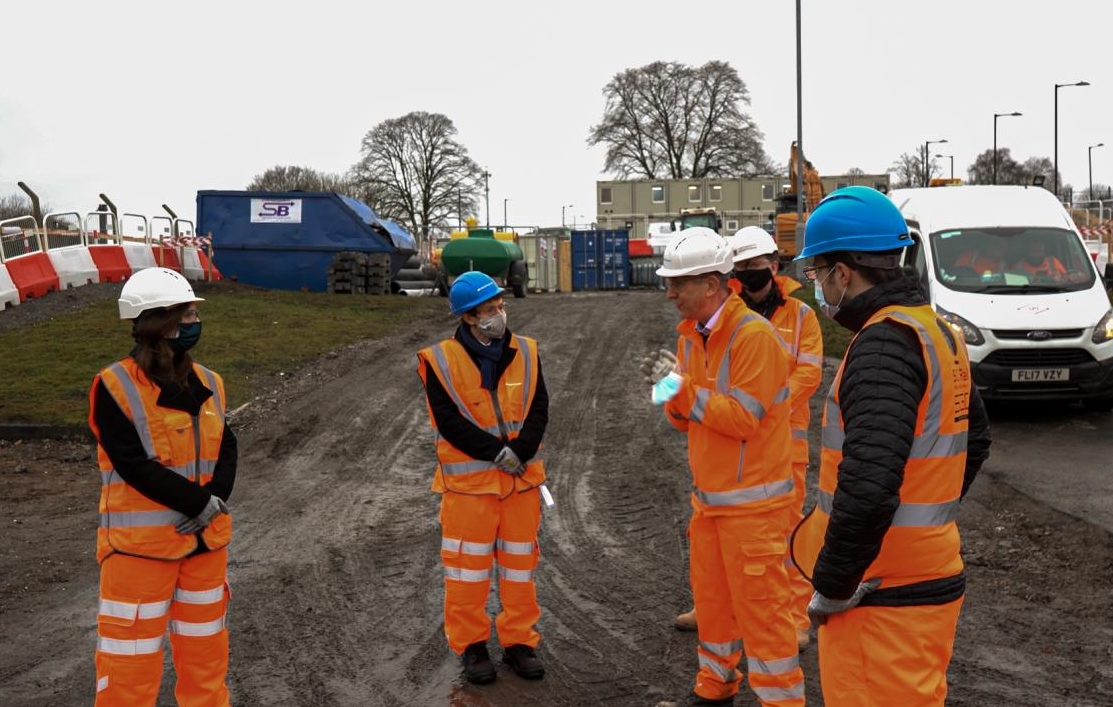
Drone images have been released showing how the West Coast main line is being secured from landslips in Warwickshire.

An unstable Victorian-built railway embankment is being strengthened as part of a £3.5m investment by Network Rail. Since the railway’s construction in the 1850s there have been repeated landslips at Hopsford Hall.

This has caused costly delays to passengers and freight travelling between Nuneaton and Rugby. Now the 1km long section of embankment which runs parallel to the Oxford Canal is being strengthened to improve future rail journeys.

The work making it fit for the 21st century includes:

• Construction of 300m of rebuilt embankment
• Installation of a 100m retaining wall
• 1km of improved drainage systems

James Dean, Network Rail’s West Coast South route director, said: “When navvies built this section of railway over 170 years ago it was an amazing feat of engineering. However, they didn’t have the know-how to strengthen this embankment at Hopsford Hall will make the West Coast main line more reliable for the future and is all part of our commitment to build back better as the country emerges from the pandemic.”

Freightliner’s European Engineering & Operations Services director, Tim Shakerley, said: “The West Coast main line between Nuneaton and Rugby is a core artery for Freightliner services. Intermodal services move aggregate and cement South.

“We welcome Network Rail’s investment in the infrastructure which will allow us to continue to provide high performing, low carbon sustainable services to our customers”

Work began in October last year and is expected to be complete in late spring 2021.

Over-55s used housing equity to clear more than £612 million of unsecured debt in 2020, new data analysis from Key shows.  Credit cards (av. £8,500), overdrafts (av. £2,000) and loan balances (£11,700) were most commonly repaid as people looked to manage their retirement income by reducing outgoings.

Around a fifth (18%) of the £3.4 billion property wealth released last year was used to clear unsecured debts with older customers of all ages facing debt issues, figures from the UK’s leading equity release adviser show.  Around 14% of customers had credit card balances while 12% had loans to pay off and 6% needed to pay off car finance

Key is marking debt charity Step Change’s Debt Awareness Week (22 March to 28 March) by underlining the need to get advice on debt and highlighting the ways that equity release customers are using the modernised and flexible plans to address financial issues.

The debt effect:

Key’s data shows customers with credit card debts were making monthly repayments of around £292 while loan repayments added up to £267 a month on average. Even overdrafts cost nearly £18 a month on average.

With the full basic State Pension amounting to £179.60 a week or £9,339.20 a year from April, struggling over-55s would lose more than 70% of their state support just meeting minimum repayments.  Indeed, credit card repayments (av. £292 month) would eat up 37% of their annual income while loan repayments (av. £267 month) would account for 34% of their annual income.

Using equity release to borrow £20,000 to repay unsecured debt which is then managed via making ongoing repayments to service the interest would see the client pay £42 per month fixed for the life of the loan if they managed to secure the market leading rate of 2.5%.  Depending on lenders’ criteria, capital payments can also often be made without incurring any early repayment charges.

Will Hale, CEO at Key, said: “Unsecured debt is a major issue for people of all ages and our data shows that it affects those in their 70s and 80s as well much as younger people. Nobody wants to retire in debt but sometimes it is unavoidable.

“The problem is that people on fixed incomes will struggle to clear debts and often end up paying the minimum amount each month which inevitably means it takes longer to pay the debt off as interest mounts up.  For those who rely heavily on the state pension, losing 70% of this state support just meeting these minimum repayments must be devastating.

“Those who are struggling with debt need to look for support as there are options available.  For some this might mean refinance debt using a more modern and flexible approach.  Equity release plans enabling people to make repayments on interest and capital are increasingly playing a major role and can help people who are struggling.”

How the debts mount up across the country

Average credit card debts being cleared go as high as £20,300 in the South West of England with London also seeing higher debts at more than £15,700. Loan debts top £20,000 in London and more than £15,000 in Scotland while overdrafts are a major issue in Northern Ireland and the North East

Region

Average Credit Card Debt

Average Loan Debt

Average Ovedraft Debt

East Anglia

£9,388

£13,602

£2,707

East Midlands

£10,118

£11,925

£4,000

London

£15,729

£20,085

£6,818

North East

£7,698

£9,713

£11,617

North West

£10,741

£10,674

£3,147

Northern Ireland

£12,078

£6,300

£25,000

Scotland

£10,750

£15,311

£6,039

South East

£11,411

£14,316

£7,111

South West

£20,364

£11,949

£3,256

Wales

£12,104

£12,259

£3,005

West Midlands

£11,814

£12,651

£2,793

Yorkshire & Humberside

£10,276

£10,432

£5,200

UK

£8,428

£11,762

£2.012


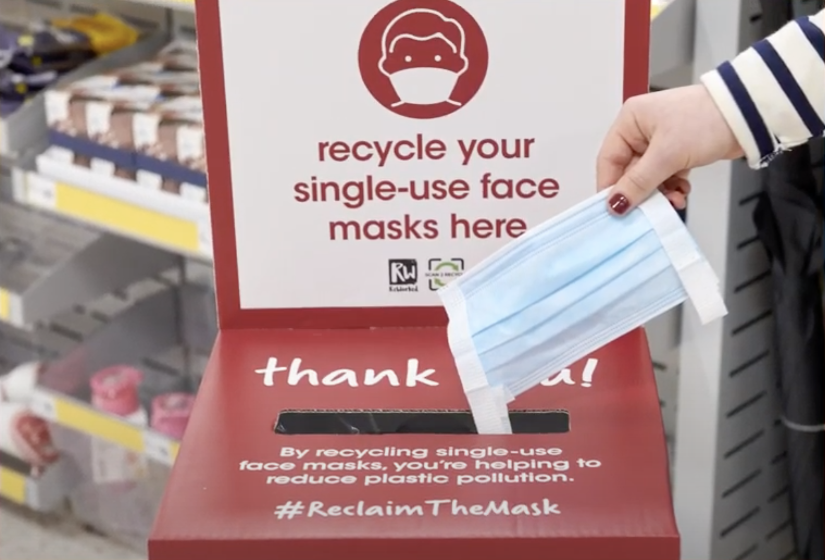
A new scheme in-store at Wilko will see customers able to drop off used, disposable face masks so that they can be recycled and reused as everything from building materials to new furniture for communities in need.

150 of the home and garden retailer’s stores nationwide will have special collection bins for customers to safely drop off their used single use face masks, after shopping for essential items in-store. Face masks are currently mandatory nationwide as the public takes steps to keep themselves and others safe while out in public during the pandemic.

Once full, these collection bins are then taken away by recycling specialists ReWorked, who together with Metrisk Ltd, Scan2Recycle and Wilko are partnering to make the unique scheme – the first of its kind on the UK high street - possible. Collected masks are shredded down into raw materials, which can be sustainably refashioned into products ranging from other safety materials for businesses, to building materials and even quality, durable public space furniture.

The Covid-19 crisis has seen a huge increase in the use of disposable face masks as the nation adapts its everyday behaviour around public safety guidelines. While the government has encouraged Brits to dispose of face masks via general waste bins, there has been an ever-increasing volume of PPE being discarded in public spaces – meaning there are often greater levels of litter nationwide in areas such as parks, beaches and high streets; impacting the life and leisure time of local communities, endangering wildlife and ultimately harming the health of the planet.

Disposable face masks are made from polypropylene fabric - a type of plastic. An estimated 8M tonnes of general plastic waste already ended up in the world’s oceans every year, and the impact of the pandemic will only increase those figures if PPE litter continues to increase. Wilko and its partners for this scheme hope that providing an easy way to safely dispose of used PPE will help make it easier for hardworking Brits to reduce litter in the community and in turn do their bit for the planet.


Jerome Saint Marc, CEO at Wilko, said: “One of our core values is to show we care and, we understand the importance of climate change to our customers who expect us to take-action on their behalf and make better choices about caring for the environment.

“That’s why we’re thrilled to have developed this scheme, which makes it super simple for shoppers to safely recycle a product which is often unavoidably discarded as a result of us all taking steps to protect the health of everyone around us. What’s more, it also means we’re able to help hardworking families, local communities and other businesses by turning something that we’re simply throwing away into a useful and sustainable product that can have a genuinely positive impact.”

The scheme is the latest in an ongoing series of measures which wilko is implementing to make a positive difference to the environment; the retailer has pledged to reach Net Zero Carbon by 2040 by signing the BRC’s Climate Action Roadmap and has joined The UK Plastics Pact, which focuses solely on reducing the use of single use plastic.

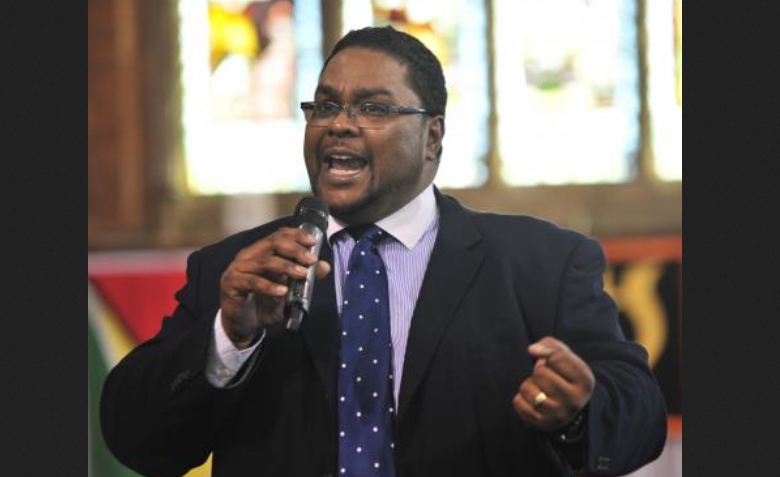
Bishop Dr Desmond Jaddoo has announced that he will be standing for West Midlands Police and Crime Commissioner at the forthcoming May 2021 elections.

Jaddoo, who is Party Leader of the newly formed We Matter Party, is a known campaigner for equality and social justice. He said, “It is time for strong and responsible leadership in order to ensure that the communities are the police and the police the community.”

“The people of the West Midlands are clearly seeking change and this is the beginning of it. Divisions only lead to tragedies, and we need to stop pointing fingers and work together to seek solutions.”

He added, “There is no space in public safety for political spin or rhetoric.” The elections take place on Thursday May 6 with votes being counted in Birmingham, Wolverhampton, Dudley, Sandwell, Coventry, Solihull and Walsall.

The We Matter Party will be announcing a date for a formal launch of the Party Leader’s election campaign.

Grieving families hit by the Covid-19 pandemic are increasingly turning to online memorials to honour their loved ones - but avoid painful references to coronavirus and death in their tributes, new research has found.

Dr Mark McGlashan, Senior Lecturer in English Language at Birmingham City University, has been examining the use of language in online memorial boards created to pay tribute to those who have died during the pandemic. His research finds that online memorials aid the grieving process by giving people space to reframe and reaffirm the lives of the deceased rather than focussing on the conditions of their death.

With restrictions on traditional funerals in place there has been an upsurge in online memorials as people bid to honour those who have passed away and publically celebrate their lives while respecting guidelines. Findings from the project were being shared as the UK prepared to mark one year since the first national lockdown was called (March 23).

Dr McGlashan’s research examined 5026 public online memorials published on the ‘Remember Me’ memorial website to uncover how people have been commemorating their friends and family amidst the pandemic. This is believed to be the largest collection of bereavement discourse texts ever compiled for academic study.

The study revealed that grievers avoided directly referencing coronavirus or Covid-19 in their messages, avoided negative words and used metaphors that reframed or sanitised death during the grieving process. Rather, memorials focussed on reaffirming life, love, and important family relationships of the deceased.

Dr Mark McGlashan said: “Bereavement is a deeply complex emotion, especially during a pandemic in which many of us have been unable to say goodbye to our loved ones or grieve with our families.

“Online memorials like ‘Remember Me’ offer the potential to grieve with others but also to understand how we might go about grieving collectively. My analysis finds that bereavement texts highlight what people believe is most important about life: love.”

Common language used to help sanitise and ease discussion of death fall into some key categories:

·         Portraying death as a journey: Metaphors suggesting the dead are on another part of their life journey – grievers hope to meet the deceased again in future. Previous research has shown this helps mitigate social taboos relating to death.

·         Death is rest: The process of dying is represented as a coming to peace and denies any taboos relating to death (such as any pain or discomfort experienced during life).

·         Death is departure: Phrases portraying the dead as travellers who are on the same journey as the living but at a different stage which will reunite them with those they left behind.

·         The absence of Covid: Only very few memorials referenced Covid-19, again demonstrating the limit of taboos.

·         Always in our heart: The heart becomes a symbolic vessel where the living ‘hold’ or ‘contain’ the deceased (‘you will always have a place in our hearts), and also a place that has been voided by the loss (‘you have left a big hole in our hearts’).

·         The relationship: The bereaved celebrated their relationship to those who had passed away as a way of publically sharing their close connection at a time when collective gatherings are restricted.

The study was conducted at a time when the UK had reported 41,969 Covid-19 deaths, with the memorials covered representing nearly 12 per cent of all reported deaths.

Works to rebuild both the University and Perry Barr railway stations in Birmingham are under way ahead of next summer’s Birmingham 2022 Commonwealth Games. Construction teams are on site at the new University Station which will provide a magnificent gateway for the millions of people a year who visit the University of Birmingham and Queen Elizabeth Hospital.

It will be open in time to welcome spectators for the hockey and squash competitions which will be hosted by the university during the games. Preparation work has also begun on the Perry Barr station site where the station building and row of shops are set to be demolished later this Spring.

The final £9.5 million funding towards the £30 million redevelopment project, which includes redevelopment of the neighbouring bus interchange, was due to be confirmed by the West Midlands Combined Authority (WMCA) Board at its recently monthly meeting. The Perry Barr station rebuild is part of the wider £500 million regeneration of the area and will be completed in time to receive visitors to the Alexander Stadium for the athletics next summer.

Mayor of the West Midlands Andy Street said: “I am delighted that despite the pandemic we’re pressing on with our ambitious station programme, and will have both Perry Barr and University ready to welcome the world next summer for the Commonwealth Games. Not only will these stations provide upgraded facilities and much-needed extra capacity for millions of Brummie commuters for years to come, but their construction also helps to create and secure local jobs at what is an incredibly difficult time for people’s livelihoods.”

Transport for West Midlands (TfWM), which is part of the WMCA, is leading the projects working with a range of partners including Birmingham City Council, the Department for Transport, Network Rail, West Midlands Trains, the University of Birmingham and the Greater Birmingham and Solihull Local Enterprise Partnership. Investment in railways is key part of plans to achieve the #WM2041 target for a zero-carbon region.

Councillor Ian Ward, leader of Birmingham City Council and WMCA portfolio holder for transport said: “The redevelopment of Perry Barr station is long overdue and a key component, along with the bus interchange, of the regeneration of the area. I am delighted that as a region we have been able to come together and get it fully funded.

“The Commonwealth Games have been the catalyst for getting these projects under way, but they are about so much more than that and will provide a lasting legacy for this city – especially as we need to encourage more people to take more sustainable forms of transport to improve both our air quality and help us meet the climate change challenge.”

Director of estates at the University of Birmingham, Trevor Payne, said: “As an official partner of Birmingham 2022 and a competition venue for the hockey and squash, we are tremendously excited for the Commonwealth Games and the new University station. Being able to provide a 21st Century station to competitors, organisers and many thousands of spectators is critical, as is providing excellent lasting facilities for staff, students and the local community.”

Dave Penney, Network Rail’s central route director, said: “These new stations will provide a much-improved gateway to some of Birmingham’s leading sport, health and educational destinations. They’re part of wider railway improvements to give passengers from across the West Midlands and beyond the best possible travel experience.”

Works on the University station are being carried out by Volker Fitzpatrick under contract from TfWM. The Perry Barr rebuild will be undertaken by Galliford Try under contract from TfWM. Perry Barr station will be closing for 12 months from 10th May for reconstruction. 

It has been announced that Buckingham Palace is set to review the diversity policies across all royal households. The work is looking at improving diversity at Buckingham Palace, Clarence House and Kensington Palace.

Royal sources have stressed that the Palace already has policies, procedures and programmes in place but has not seen the progress it would like. The work began before the Duke and Duchess of Sussex made allegations of racism within the Royal Family.

Prince Harry and Meghan's interview with Oprah Winfrey included claims they had been asked how dark their son's skin would be before his birth. The Duchess said that there had been concerns and conversations about how dark Archie's skin might be when he was born.

Both Prince Harry and Meghan refused to say who made the comment - but Harry later clarified to Oprah that it was not the Queen or the Duke of Edinburgh. The issue of race was the one of the most difficult aspects of the interview for the Royal Family.

In response, Buckingham Palace described those issues as particularly concerning", saying they would be taken very seriously and will be addressed by the family privately. The Duke of Cambridge later said the royals were very much not a racist family" in response to questions about the interview.

Comments made by the couple will now form part of the diversity review, which was first reported by the Mail on Sunday who described the work as a major drive. It will take place in collaboration with people from minority backgrounds, disabled people, and gay and transgender communities.

Buckingham Palace is seeking independent views and is looking at new ways of approaching all issues of diversity within the royal households. Possible changes being considered include the appointment of a diversity chief, but sources said they accept more can be done and improvements made.

Royal sources stated that the Royal Family has a strong track record on diversity through their charity projects and engagements, but add the whole family has given this project their full support.

There is concern there are thousands of disabled people across the region whose experience of how the pandemic has affected them isn’t being told. West Midlands Combined Authority and Midland Mencap believe many aren’t speaking up about how Covid has impacted their lives, so the two organisations are finding out how lockdown has affected disabled people’s ability to access exercise and what can be done to help them be active in the future.

As part of the Include Me Citizens Network programme, they are appealing for disabled people to get in touch and let them know about their experiences – good or bad. Andy Street, the Mayor of the West Midlands, said: “We know that the pandemic has shone a light on pre-existing inequalities in the UK, which is why the findings of our Health of the Region report were so important.

“Disabled people – many who have been shielding – have felt cut off from society because of the pandemic, and so as we head towards the end of lockdown it is important we find out what barriers they face to create a region where no one is left behind.” The two organisations are hoping to connect with disabled people who may be feeling abandoned during lockdown will help them to identify barriers to being more active, especially when the country starts to reopen.

In the West Midlands, nearly one in four are either disabled or have a long-term health condition and 45% of those do little to no physical activity. Isolation and loneliness leading to anxiety are being experienced across the country, and disabled people who are shielding are especially vulnerable, being unable to leave their home. The Citizens Network has a ‘connector’ role who is responsible for going into communities to speak to disabled people directly to find out if they have been able to remain active during lockdown - and if not, if anything can be done to remove barriers to being active once lockdown is lifted.

Pam Johnson, operations manager, Midland Mencap, said: “We anticipate that coming out of lockdown will be challenging for some disabled people who may still be concerned about Covid, and many are not part of support groups who have their voices heard. Many disabled people will currently be shielding, however when the country starts to open up we want to be in a position where we have more of an idea of the barriers to activity across the region so we can address these problems.

“Barriers to activity for disabled people could be as simple as a swimming pool not having a hoist to help them into the water, or it be something more complex such as lack of suitable public transport.”

The work is part of WMCA’s Include Me West Midlands which aims to create a more inclusive environment and a better understanding of people’s needs. The Citizens Network has been created as a long-term programme to help disabled people be heard, with the aim of influencing policy and decision making as it develops.

Councillor Izzi Seccombe, leader of Warwickshire County Council and WMCA portfolio holder for wellbeing, said“The pandemic has affected everyone in a variety of ways and many disabled people have not been able to be as active as they would like.

“Now we have an opportunity to both give disabled people and people with long-term health conditions a voice and explore what barriers exist – both pre-Covid and now – and find out how they can be removed.”

The range of online services offered to Sandwell Council housing tenants has been increased in a bid to make it easier for them to report issues and request information about their council tenancy.

Tenants can now go online and:

·         Report a change of personal details – such as people moving in or out;

·         Request a joint tenancy;

·         Terminate a tenancy;

·         Ask permission to alter a council property;

·         Notify the council if a tenant has passed away;

·         Apply for or end a garage tenancy;

·         Report their council property is too large;

·         Report their council property is too small;

·         Report their council property is not safe to remain in;

·         Make a mutual exchange application;

·         Request a tenancy succession;

·         Request help with a garden (over 60s only);

·         Apply to move to a more suitable home on medical grounds;

·         Request a sole tenancy;

·         Request a tenancy reassignment (giving a tenancy to someone else);

·         Order an extra or replacement fob;

·         Allow someone to speak on your behalf (third party consent);

·         Request a landlord reference;

·         Apply to run a business from your council property;

·         Ask permission to keep a pet;

·         Report an untidy council property or garden;

·         Report fly-tipping or rubbish;

·         Report an abandoned council property;

·         Report tenancy fraud.

These will now complement existing online services such as ‘paying your rent’, ‘checking your rent balance’ and ‘arrange a direct debit’.

Councillor Keith Allcock, Sandwell Council’s cabinet member for homes, said: “I’m pleased that we’re continuing to extend the services we’re offering to our tenants through the MySandwell portal and the council’s website. Many people prefer to do their business online and this improvement means tenants will be able to access these services 24 hours a day, seven days a week, when it’s convenient to them.”


Councillor Maria Crompton, Deputy Leader of Sandwell Council, added: “Offering more digital services to our residents helps free up our frontline services to help people who don’t necessarily want to go online to contact us by phone or in person.

“I’d encourage all tenants who haven’t signed up for our online services to try them out and see how easy it is to manage your tenancy and get in touch with us about housing online. There’s also lots more you can do through MySandwell – including requesting services and reporting problems to other parts of the council.”

The For Baby’s Sake Trust, a national charity helping parents break the cycle of domestic abuse and give their babies the best start in life, has produced a series of radio ads, aimed at enabling new and expectant parents who are in abusive relationships to take action and seek support.

The radio ads are running in Birmingham, London, the North East and nationally on Capital, Heart, LBC and Capital Xtra until the end of March and feature the voices and real life experiences of parents who have been in abusive relationships and received support to break the cycle of domestic abuse. The parents who speak have been supported by the charity’s pioneering programme, For Baby’s Sake.

The charity has based the ads on findings from its recent research with parents about parenthood, domestic abuse and the motivations and barriers for parents seeking support. 

The research commissioned from YouGov found that for parents in the West Midlands who experienced domestic abuse during their baby’s first 1001 days:  

·         23% of parents in the West Midlands said there was domestic abuse in their family home as a child (21% nationwide)

·         31% of parents in the West Midlands have experienced a partner using abusive behaviour towards them 

·         8% of parents in the West Midlands have used abusive behaviour towards a partner 

When asked about the support they would have liked their own parents to have received, recurrent themes included mental health, understanding how to build children’s self-esteem and enabling children to talk about their feelings. Parents often reflected that support was not accessible to their parents’ generation. One parent said, “Looking back, I didn’t get a lot of praise and I don’t have high self-esteem. I also regret not instilling that in my own children.”  

The radio ads connect with parents’ motivation to give their baby a better start. The personal stories, from the mother who built her self-esteem and the father who worked through his feelings of shame, show that with support, there is another way.

The ads encourage parents to take action and begin their journey by visiting The For Baby’s Sake Trust’s website. Exploring the site may give parents new ways of understanding what they are experiencing or how they are behaving and the changes they would like to make.  There are tools and resources that might help parents with emotional regulation or support conversations between parents and professionals to explore whether domestic abuse is occurring.  

Speaking about the campaign, Amanda McIntyre, CEO of The For Baby’s Sake Trust, said: “Experiences during pregnancy and the first two years of a child’s life shape their futures. Trauma experienced then can reverberate throughout their lives and affect their own children if they go on to be parents. As our research shows, parents feel the importance of giving their babies the best possible start in life. That is challenging enough for any parent but particularly so if you’re in a relationship that’s abusive. 

“It is a big step for parents in abusive relationships to seek help, which is why our ads feature people like them who have taken action – to show it can be done. As our research illustrates, parents really need support to be able to talk about domestic abuse. The resources on our website can help parents and professionals to start those conversations.”

A For Baby’s Sake mother, who sought help for herself and her co-parent during pregnancy, believes it is so important to encourage parents to take that crucial first step: “It’s given me confidence to be a good mum and to really say what it is that I think and feel. And also stand up for myself and say what it is I’m willing to accept and not accept.” 

A For Baby’s Sake father speaks “to anyone feeling shameful, feeling like they’re not worth anything’, encouraging them to take action by saying, “You will be a better person. I am and it’s worth it.”