Colors: Blue Color

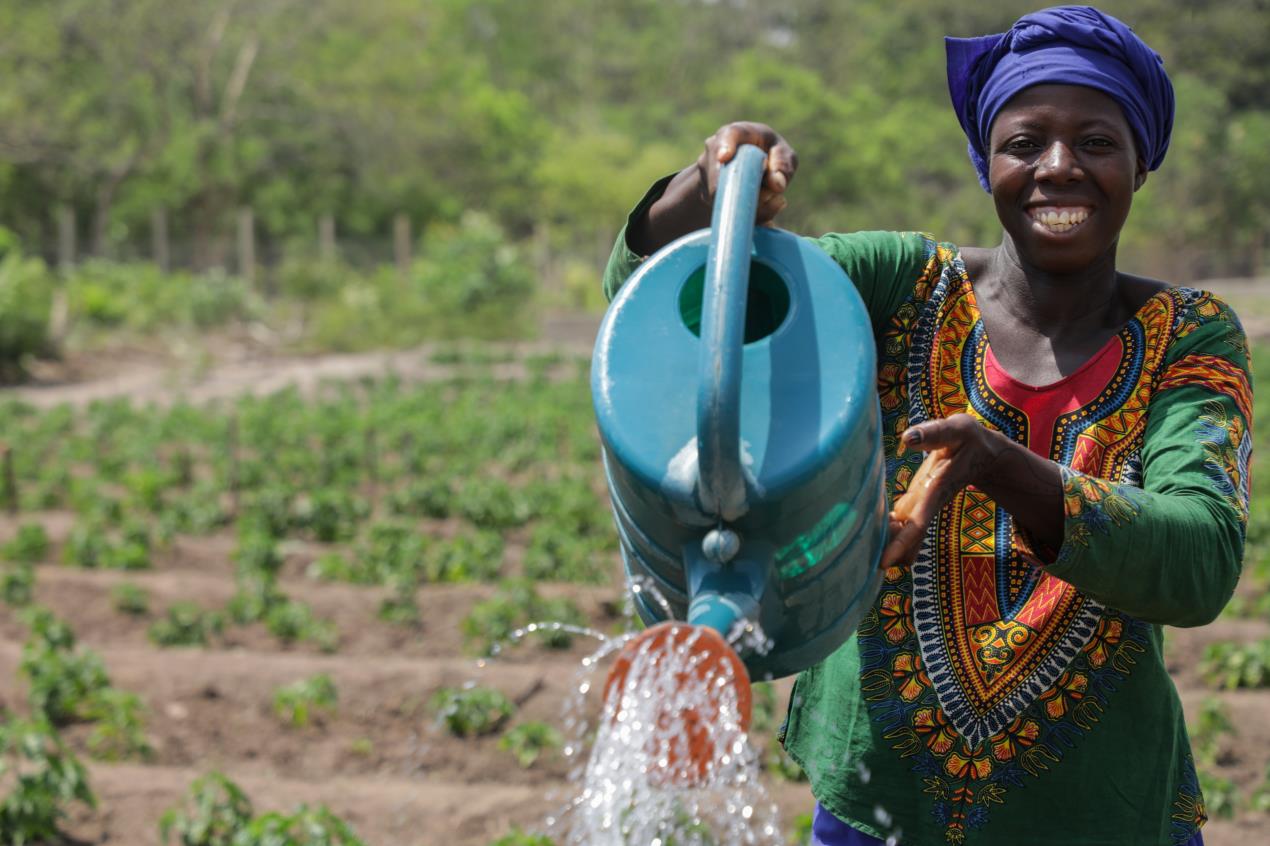
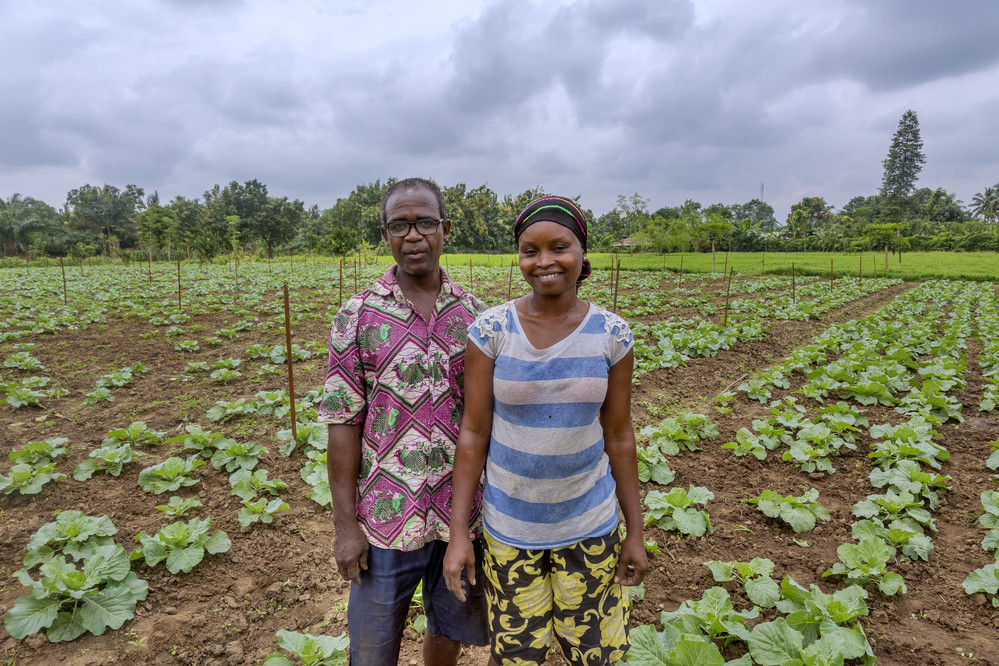
In the first-ever joint declaration by foreign affairs and development ministers, G20 countries today recognised the vital role Public Development Banks (PDBs) can play in filling the financing gap to sustainably tackle rural hunger and poverty, and the leadership of the International Fund for Agricultural Development (IFAD) in bringing them together to strengthen their long-term investments in food and agriculture.

Kande Summers pens her first book entitled ‘Going Home: Diary of a Teenage Alien’. The book is written through the adolescent lens of the main character called Liz, who adopts a dystopian and explorative perspective of how an intergalactic war would impact life on earth.

Kande, 12, is the first in a generation of her family to have written and published a book, which she has achieved at a very young age. As a reserved and curious child, she began reading at a very early age, while attending Oldfield Primary School in Maidenhead, England.

At the age of 7, she immigrated with her parents to the United Arab Emirates (UAE), where she attended English-speaking schools in the emirates of Abu Dhabi, where she began to develop a love of English literature and various writing styles, especially poetry. Influenced by her growing interest in writing, Kande’s first venture into writing began at the age of 10, by virtue of her effervescent younger brother, which inspired her to write a poem entitled ‘My Spirited Little Brother’.

She has had the good fortune of attending numerous book fairs, with her parents. Her path to writing success began in 2020 after she entered a writing competition, which she chose to write about her mum. She then became motivated by her unexpected win in the writing competition and began the writing process with the support of her parents. 

Having tasted success, she embarked on a strategy of independent research, in the world of book publishing, eventually finding a suitable publishing company and inexpensive publishing platform. This is what enabled her to publish her very first book, of which she produced the entire content, including all the illustrations. 

‘Going Home: Diary of a Teenage Alien’ is now available to purchase on Amazon, in both Kindle and paperback format for those who still love the feel of a book in their hand as well as smell the paper. The book was launched at the 39th staging of the Sharjah International Book Fair (SIBF) 2020 and featured at the Abu Dhabi International Book Fair 2021.

This is where Kande signed copies for readers who were able to get their hands on the book, which sold like hotcakes, due to her popularity at the book fair. SIBF is the largest book fair in the Middle East and Africa, as well as the 4th largest book fair in the world.

She has managed to secure and sign an undisclosed deal with Kotopia Publishing House of Egypt, to have the Arabic translation of the book published in the summer of 2021. Apart from writing, Kande is also an accomplished artist and performer.

Buoyed by the success of ‘Going Home: Diary of a Teenage Alien,’ the UAE resident is currently writing her second book and said that she hopes to inspire young people like herself to achieve the impossible that many people have not achieved but only dream of achieving in their lifetime.

To learn more about Kande’s work, you can follow her on Instagram @royalkween.art and Twitter @ks_summers12.

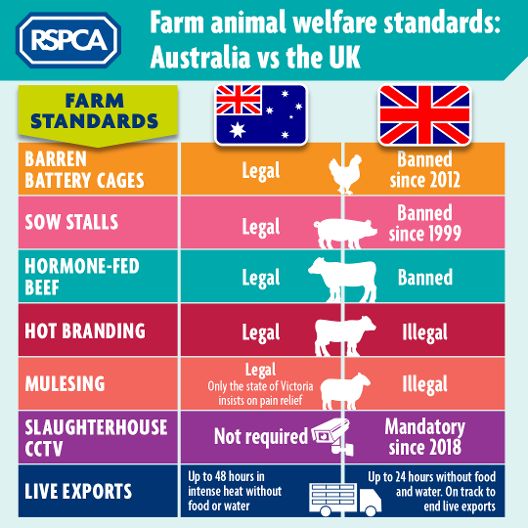
The RSPCA and its sister charity - RSPCA Australia - have joined forces to warn Brits about the country’s low animal welfare standards.

As many expect a deal to be signed ahead of the G7 summit this week, chief executive of the Australian charity, Richard Mussell said that standards in Australia ‘fall below’ those in England and were ‘basic at best’. Shockingly, he said the country still uses methods long outlawed in England and that the standards set in the country are rarely audited and are not mandatory.

New Defra figures reveal that over 26 million livestock animals are based in the West Midlands region - including 677,000 cattle (including 80,000 beef herd cattle) and almost 2.4 million sheep, with the RSPCA particularly concerned about the import of beef and lamb products. A zero-tariff deal with Australia could mean the higher welfare standards of animals farmed in the region and farmers’ livelihoods could be undermined - as it risks sending a signal we are willing to accept cheaper, lower welfare imports from across the globe.

RSPCA Australia CEO Richard said: “Unfortunately, animal welfare standards in Australia are basic at best. In 2021, we still do not have Australia-wide laws that ban the use of sow stalls in pig production, barren battery cages in egg production or require pain relief for very painful procedures like dehorning of calves and mulesing of lambs.

“Standards are rarely audited and, unless implemented into law, which few are, they are only voluntary. The lack of national leadership on animal welfare in Australia needs to be addressed urgently if the lives of farm animals are going to be significantly improved.”

RSPCA chief executive Chris Sherwood said: "The West Midlands has a proud farm animal welfare record - with thousands of farms rearing millions of livestock to higher legal English standards, and many going above and beyond that. 

"But we fear this is all set to be undermined by the signing of a quick trade deal with Australia, which could open the doors in the West Midlands to low welfare imports that undermine our high domestic standards - with beef and lamb a particular concern to us, given Australia's far lower standards. People across the West Midlands will be alarmed to know that local supermarket shelves could soon be stocked with agricultural produce reared to lower standards - including mutilations to sheep and growth hormone treatment for beef.

"This could lead to a lopsided and unlevel playing field for the agricultural community in the West Midlands, and clearly puts farms and hard-won welfare standards at risk." UK Ministers are being urged to ensure tariff or non-tariff safeguards are included in any FTA with Australia - so only products produced to higher animal welfare standards enter the UK.

Australian farming involves a number of practices which are outlawed in the UK.