

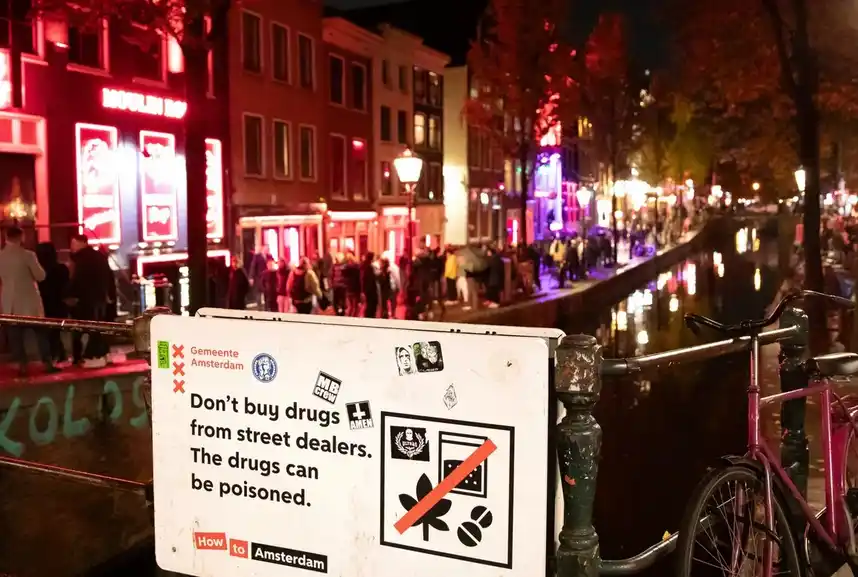
The Netherlands’ leading city of Amsterdam is once again making headlines for its rigorous approach to managing over-tourism.
Municipal authorities announced that police enforcement targeting "nuisance tourism"—primarily defined as rowdy behaviour, public intoxication, and excessive noise—will be significantly increased throughout the city centre starting next week, coinciding with the opening of major Christmas markets. The crackdown is a pre-emptive move to protect the city's quality of life during the holiday season, which sees a dramatic spike in visitors.
New regulations, including stricter limitations on when and where alcohol can be sold and consumed, are now being enforced with larger fines. The city’s core message remains: "Come for the culture, not the chaos."
These measures have had a noticeable impact on the hospitality sector. Many budget hotels and party hostels have either closed or rebranded, leading to a reduction in affordable accommodation and pushing the average price of a stay higher.
This has subtly shifted the profile of the typical traveller visiting Amsterdam, favouring longer stays and higher spending. Local tourism agencies support the city’s efforts to promote "quality tourism" over quantity, hoping to attract visitors interested in museums and canals rather than the red-light district.
However, some businesses argue the aggressive campaign is unnecessarily punitive and damages the city's reputation for openness. As the festive lights turn on and the aroma of oliebollen (Dutch doughnuts) fills the air next week, travellers will encounter a noticeably more controlled urban environment.
The actions taken by Amsterdam serve as a continued global example of a major destination actively choosing sustainability and residential comfort over unrestricted tourism revenue.