

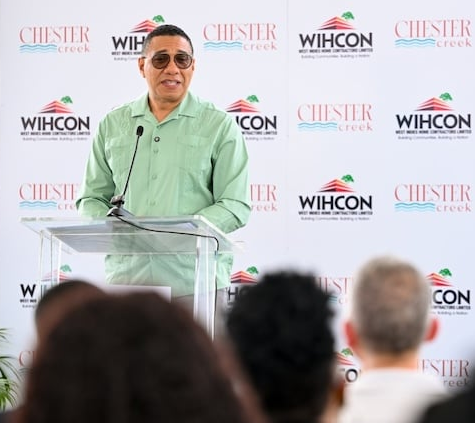
Prime Minister, Dr. the Most Hon. Andrew Holness, has just announced that Jamaica has officially entered the reconstruction phase of the Hurricane Melissa disaster response.
As rebuilding begins across the island, major resorts and tourism infrastructure are reopening, signalling economic recovery and renewed confidence in Jamaica’s tourism industry. Jamaica’s Prime Minister, Dr. the Most Hon. Andrew Holness, has announced that the country has officially entered the reconstruction phase of the Hurricane Melissa disaster response, marking a critical transition from emergency recovery to long-term rebuilding and economic renewal. Hurricane Melissa, a Category 5 storm that struck Jamaica in October 2025, caused widespread destruction, affecting infrastructure, housing, agriculture, and the tourism industry.
With damages estimated at approximately US$8.8–10 billion, Hurricane Melissa is considered one of the most devastating natural disasters in Jamaica’s modern history. The hurricane destroyed homes, damaged critical infrastructure, and disrupted tourism operations across major destinations such as Montego Bay, Ocho Rios, and Negril. Despite the destruction, Jamaica has begun rebuilding through international financial support, infrastructure reconstruction, and the reopening of resorts and tourism facilities.
Tourism, which contributes significantly to Jamaica’s economy, is expected to play a central role in the country’s recovery. Hurricane Melissa formed in the Atlantic in October 2025 and rapidly intensified before making landfall in western Jamaica on October 28, 2025. With maximum sustained winds of approximately 165 mph, the storm ranks among the strongest hurricanes ever recorded in the Atlantic basin.
The hurricane caused catastrophic destruction in several western parishes, particularly:
- St. Elizabeth
- Westmoreland
- St. James
- Trelawny
- Hanover
Entire communities experienced severe flooding, storm surge, and structural damage. Approximately 150,000 buildings were damaged, with 24,000 completely destroyed, leaving thousands of families displaced.
Melissa also caused extensive damage to public services and national infrastructure:
- 721 schools were damaged out of 1,010 public schools.
- Around 40% of the national health system was affected.
- Telecommunications networks collapsed in several regions.
- Agricultural losses impacted over 70,000 farmers.
In total, the hurricane caused 95 deaths across the Caribbean, including 45 fatalities in Jamaica. Because of the storm’s destructive impact, the World Meteorological Organization retired the name “Melissa” from the Atlantic hurricane list in 2026. The economic consequences of Hurricane Melissa were severe.
The storm caused an estimated US$8.8–10 billion in damages, making it the costliest disaster in Jamaican history.
Several sectors of the economy were affected:
Infrastructure Damage: Roads, bridges, airports, and utilities suffered extensive destruction.
The roof of Sangster International Airport, Jamaica’s busiest airport located in Montego Bay, was partially destroyed during the storm. Electricity and water systems were also heavily disrupted, leaving large portions of the population without basic services for weeks.
Agricultural Losses: Agriculture, an important sector for rural livelihoods, suffered devastating losses. More than 41,000 hectares of farmland were damaged, leading to the loss of crops and livestock.
Tourism Industry Disruption: Tourism, one of Jamaica’s most important economic sectors, experienced major disruptions. Approximately 40–50% of hotels across the island were damaged by the hurricane.
Air travel also declined significantly. Passenger traffic at Sangster International Airport dropped more than 48% compared to the previous year following the hurricane. Given the importance of tourism to Jamaica’s economy, restoring this sector became a national priority.
Tourism: A Pillar of Jamaica’s Economy: Tourism is one of Jamaica’s largest economic drivers.
Prior to Hurricane Melissa, the industry contributed approximately 30% of the country’s Gross Domestic Product (GDP) and supported around 175,000 jobs directly and indirectly.
The country had expected about 4.3 million visitors in 2025, representing continued growth in international travel to the Caribbean island.
Major tourism destinations include:
- Montego Bay
- Ocho Rios
- Negril
- Kingston
- Port Antonio
These destinations are known for beaches, resorts, eco-tourism sites, cultural heritage attractions, and music tourism associated with Reggae culture.
However, Hurricane Melissa temporarily halted tourism activity across much of the island. Flights were cancelled, resorts closed, and international travel agencies suspended vacation packages to Jamaica during the immediate aftermath of the disaster.
Early Recovery of the Tourism Sector: Despite the devastation, Jamaica’s tourism industry demonstrated remarkable resilience.
Within weeks of the hurricane, efforts were underway to reopen airports, restore transportation networks, and repair hotel infrastructure. By early 2026, tourism began to recover steadily. In the seven weeks following the storm, Jamaica welcomed nearly 300,000 visitors, demonstrating continued international confidence in the destination.
Both major international airports resumed operations:
- Sangster International Airport (Montego Bay)
- Norman Manley International Airport (Kingston)
Although repairs were still ongoing in several regions, the reopening of airports allowed international travel and tourism activity to gradually resume.
Tourism officials emphasized that many parts of the island were not severely affected and remained open for visitors. Major resort areas such as Ocho Rios, Montego Bay, and Negril quickly began welcoming tourists again as cleanup efforts progressed.
Reopening of Major Resort Hotels: The reopening of resort hotels has been a key milestone in Jamaica’s tourism recovery. Several international hotel brands invested heavily in repairs and renovations to restore their properties after the hurricane.
RIU Hotels & Resorts: The international hotel chain RIU Hotels & Resorts announced plans to reopen all seven of its Jamaican properties by the end of 2025, helping to restore hotel capacity on the island. These resorts include properties in Montego Bay and other major tourist areas.
Sandals Resorts International: Sandals Resorts, one of the Caribbean’s most prominent luxury hospitality companies, reopened five of its resorts by December 2025, with additional properties scheduled to reopen in 2026 following repairs.
These resorts include:
- Sandals Dunn’s River
- Sandals Ochi
- Sandals Negril
- Sandals Royal Plantation
Bahia Principe Resort Complex: The Bahia Principe resort complex in Runaway Bay, one of Jamaica’s largest all-inclusive resort developments, sustained significant damage and required extensive renovations.
Some sections of the complex are expected to remain closed until December 2026 due to reconstruction needs. Despite delays, hotel companies remain committed to rebuilding their properties and maintaining Jamaica’s reputation as a leading Caribbean destination.
International Financial Support for Reconstruction: Rebuilding Jamaica after Hurricane Melissa requires massive financial investment. To support recovery efforts, the Jamaican government secured up to US$6.7 billion in funding from international financial institutions.
These institutions include:
- The World Bank
- The International Monetary Fund (IMF)
- The Inter-American Development Bank (IDB)
- The Caribbean Development Bank (CDB)
- The Development Bank of Latin America and the Caribbean (CAF)
The funding package includes:
- US$3.6 billion in government financing
- US$2.4 billion in private sector investment
- Additional grants and emergency support programs.
These funds will support housing reconstruction, infrastructure rebuilding, disaster resilience projects, and tourism recovery initiatives.
Government Reconstruction Strategy: The Jamaican government has adopted a “build back better” strategy, emphasizing climate resilience and sustainable development.
Reconstruction priorities include:
- Rebuilding homes and communities
- Repairing schools and hospitals
- Restoring electricity and telecommunications networks
- Strengthening roads, bridges, and airports
- Improving disaster preparedness systems
In addition, the government introduced emergency economic relief measures such as:
- A six-month mortgage moratorium for thousands of homeowners
- Temporary tax suspensions on certain goods
- Housing reconstruction programs using prefabricated homes.
These initiatives aim to accelerate recovery while preparing the country for future climate-related disasters.
Climate Change and Disaster Resilience: Hurricane Melissa has also intensified discussions about climate change and disaster preparedness in the Caribbean.
Small island states like Jamaica are particularly vulnerable to hurricanes due to:
- Coastal population concentration
- Limited land area
- Dependence on climate-sensitive sectors such as tourism and agriculture.
Government officials have highlighted Hurricane Melissa as evidence of the increasing intensity of tropical storms linked to global climate change.
As a result, Jamaica is investing in climate resilience initiatives, including:
- hurricane-resistant building standards
- coastal protection infrastructure
- improved early warning systems
- climate-adaptive tourism development.
Community Recovery and Social Impact: Beyond economic losses, Hurricane Melissa had profound social impacts on communities across Jamaica.
Thousands of families lost their homes, and many rural communities were temporarily isolated due to damaged roads and bridges. Relief efforts included:
- humanitarian aid deliveries
- emergency shelters
- international assistance from neighbouring countries and organizations.
Local communities also played a vital role in recovery efforts. Volunteers, construction workers, and tourism employees worked together to rebuild businesses and restore services.
The Future of Tourism in Jamaica: Despite the challenges caused by Hurricane Melissa, tourism officials remain optimistic about Jamaica’s long-term outlook.
The reopening of resorts, restoration of airports, and return of international visitors demonstrate the resilience of the tourism sector.
Jamaica continues to promote several forms of tourism, including:
- Luxury resort tourism
- Eco-tourism
- Cultural tourism
- Community-based tourism
Destinations such as Black River and Treasure Beach are increasingly popular for eco-tourism and environmental tours. Tourism authorities believe that rebuilding the sector with stronger infrastructure and sustainable practices will make Jamaica more competitive in the global travel market.
Visit Jamaica - The best music, food, vistas and vibes for your perfect vacation
Discover the beauty of Jamaica with its fascinating culture, stunning beaches and lush landscapes. Experience our warm Jamaican hospitality, vibrant reggae music, sumptuous cuisine, thrilling adventures and good vibes all around. Plan your perfect Jamaican vacation now and come back to your best self in Jamaica.
Conclusion: Hurricane Melissa was one of the most destructive storms in Jamaica’s history, causing billions of dollars in damage and affecting thousands of lives.
However, the country’s transition into the reconstruction phase marks an important milestone in national recovery. With international financial support, infrastructure rebuilding, and the reopening of resorts and tourism facilities, Jamaica is gradually restoring its economy and strengthening its resilience to future disasters. Tourism remains at the centre of this recovery.
As hotels reopen and visitors return, the sector will play a crucial role in generating employment, attracting investment, and supporting communities across the island. The reconstruction effort also offers an opportunity to rebuild Jamaica stronger than before—through sustainable development, climate resilience, and a renewed commitment to protecting the island’s natural and cultural resources.