Colors: Yellow Color

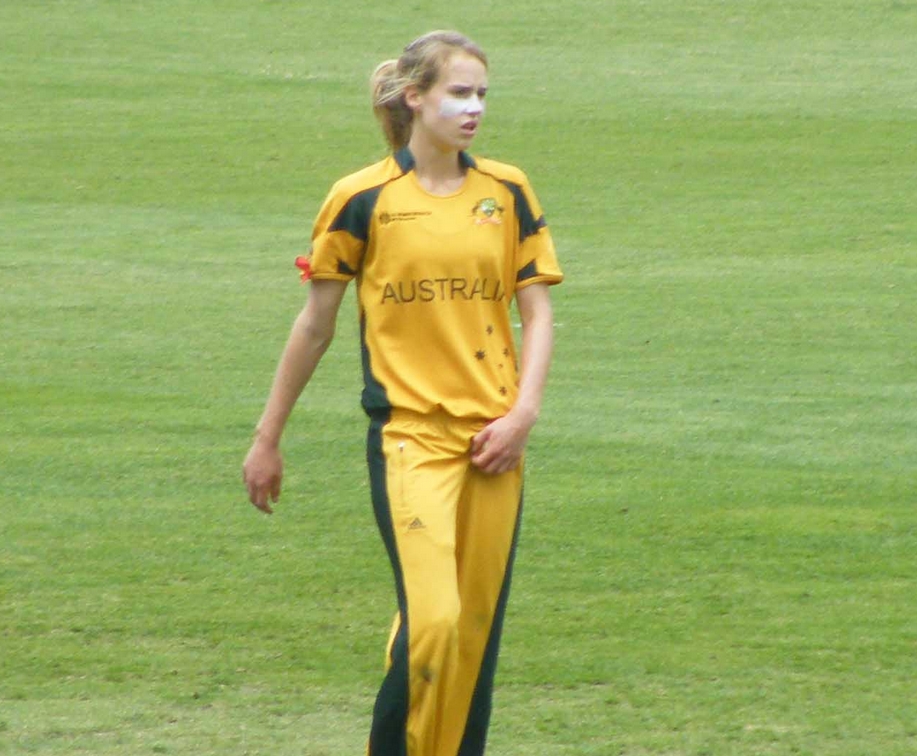
Australia all-rounder Ellyse Perry has joined Birmingham Phoenix for this summer's Hundred competition.

The 30-year-old has won five Twenty20 World Cups and was named player of the decade by the International Cricket Council in December. New Zealand T20 captain - and the world's number one ranked batter - Sophie Devine will lead the side.

"It's always a special moment in sport when something like this comes along," Perry said. "I feel really chuffed that another country wanted me to come and play in their competition."

The new 100-ball competition, which was postponed by a year because of the coronavirus pandemic, features eight city-based teams and begins on July 21. Phoenix's first fixture will be against London Spirit at Edgbaston two days later.

At 16, Ellyse became the youngest person - male or female - to represent Australia at cricket when she made her one-day international debut against New Zealand in Darwin. Just two weeks later, she made her senior debut for the country's football team and helped them reach the last eight of the 2011 World Cup, scoring a brilliant goal in their 3-1 defeat by Sweden.

In cricket, she has played eight Tests, 112 one-day-internationals and 120 T20s for Australia. Among her many achievements, in July 2019 she became the first cricketer to complete the double of 1,000 runs and 100 wickets in T20s.

Perry will link up with Birmingham Phoenix head coach Ben Sawyer, who is also assistant coach and fast bowling specialist for the Australian women's team.

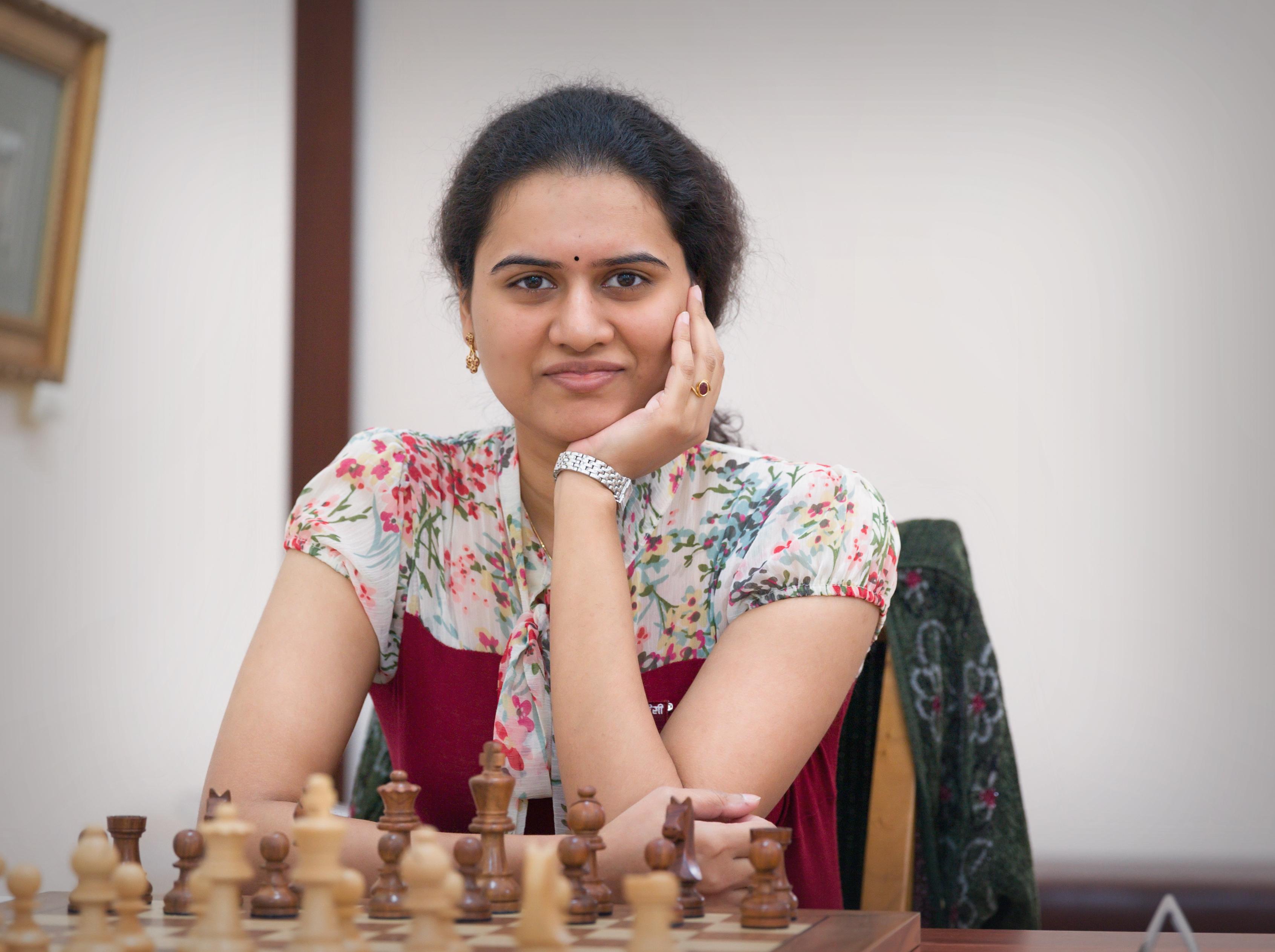
Chess player Koneru Humpy has won the BBC Indian Sportswoman of the Year award for 2020, following a public vote. The 33-year-old beat sprinter Dutee Chand, airgun shooter Manu Bhaker, wrestler Vinesh Phogat and India hockey captain Rani Rampal to the award.

Humpy is the World Rapid Chess champion having won the title in December 2019 after a two-year maternity break. In 2020, she won the Cairns Cup, an elite-level tournament for the top female players.

She said: "Being an indoor game, chess doesn't get as much attention as sports like cricket gets in India. But with this award, I hope the game will draw people's attention." She added: "I won over the years because of my willpower and confidence. A female player should never think about quitting her game. Marriage and motherhood are just a part of our life and they should not change the course of our lives."

Born in the southern state of Andhra Pradesh, Kuneru was identified as a chess prodigy at an early age by her father. She lived up to the reputation by becoming the youngest female grandmaster, aged 15, in 2002 - the record was broken by China's Hou Yifan in 2008. She received the Arjuna Award, one of India's top sporting honours, in 2003, and India's fourth-highest civilian award, Padma Shri, in 2007.

The BBC Indian Sportswoman of the Year initiative was launched in 2019 to celebrate female achievements in sport and highlight the issues and challenges faced by women and girls in India.

Former long jumper Anju Bobby George was given the Lifetime Achievement award for her contribution to Indian sport. She remains the only athlete to win a World Championship athletics medal for her country.

In the run up to the event a 'Sports Hackathon' was held, with the aim of adding more information about Indian sportswomen to Wikipedia in Indian languages. The project focused on athletes about whom there was minimal or no information available on the online encyclopaedia.

More than 300 entries of 50 Indian sportswomen were added into the site in collaboration with 300 journalism students in 13 universities across India.

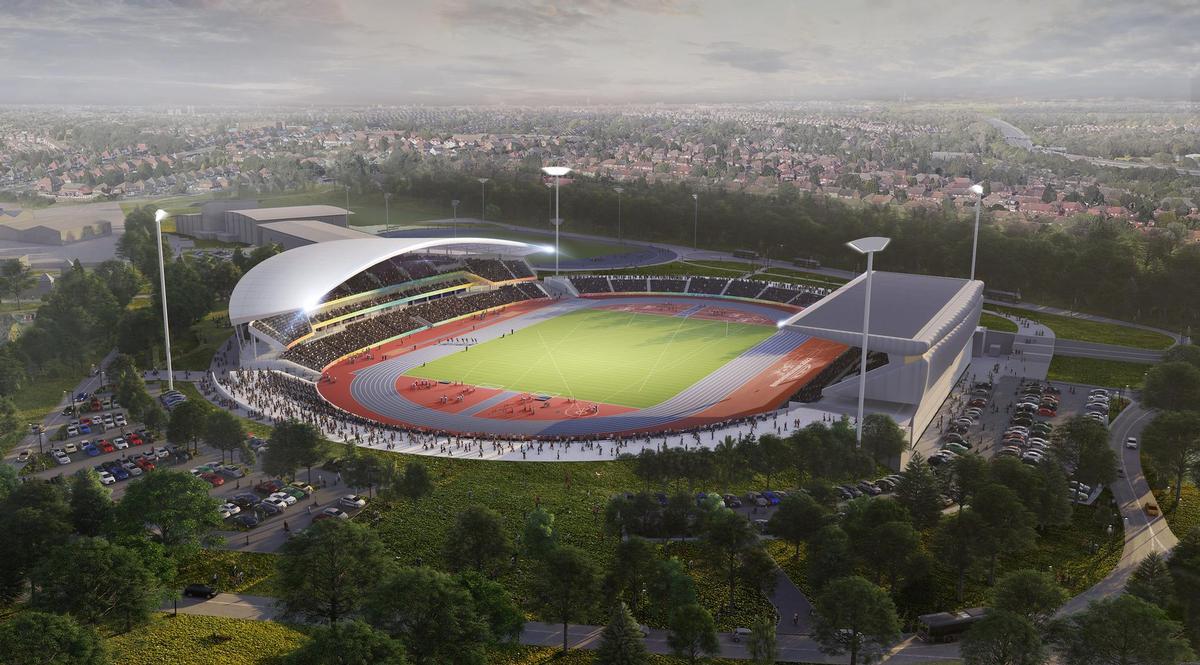
Birmingham 2022 Commonwealth Games organisers and its partners have released a national Legacy Plan, outlining a series of Games’ firsts that will leave a lasting, positive impact on jobs, skills, education, culture, physical activity and investment across the West Midlands and the UK. It outlines how the Games’ £778 million public investment into the West Midlands is benefiting people in the region and beyond, will continue to do so after the Games, and can provide a legacy blueprint for future host cities.

The plan is delivered in partnership between the Birmingham 2022 organising committee, the Government, Birmingham City Council, West Midlands Combined Authority, Commonwealth Games Federation, Sandwell Metropolitan Borough Council, West Midlands Growth Company and Commonwealth Games England.


The national plan includes aims to deliver several Commonwealth Games firsts, including:


1.    The first carbon-neutral Commonwealth Games;

2.    The first time firms bidding for contracts must include a social value requirement;

3.    The largest business and tourism programme of any Games to attract international visitors and investment to the region and the UK;

4.    The first Games to fully integrate volunteers from all delivery partners into a united volunteer programme.

The legacy plan is united by Birmingham 2022’s vision to be the Games for Everyone. Its objectives will be delivered against the Games’ five missions: to bring people together, improve health and wellbeing, help the region grow and succeed, be a catalyst for change, and put us on the map. 

Across nine legacy programmes, the plan sets out a bold vision for how the Commonwealth Games can transform the region and unite communities across the West Midlands, the country and the Commonwealth with a message of hope and recovery following the pandemic. The plan includes:

·         State-of-the-art legacy facilities at the Alexander Stadium and Sandwell Aquatics Centre for community use after the Games 

·         1,400 homes in the first phase of the Perry Barr Regeneration Scheme, with hundreds more in future phases;

·         A procurement spend of around £350 million to benefit businesses across the UK 

·         35,000 jobs and opportunities available, with the first Commonwealth Jobs and Skills Academy offering a blueprint for reaching disadvantaged groups;

·         200,000 hours of volunteer training for 12,500+ people, with a framework for developing skills and employability that could be replicated by future Games;

·         “Commonwealth Active Communities”, a £4 million Sport England fund to harness the power of the Games to support inactive people to become more active;

·         A six-month, UK-wide Cultural Festival reaching 2.5 million people and prioritising underrepresented communities, offering and a blueprint to support the long term growth of the arts and culture sector;

·         A £6 million Commonwealth Games Community Fund from Birmingham City Council to help communities build pride, respect and cohesion by celebrating the Games their way;

·         An ambition to directly engage with one million children and young people through a learning programme, with classroom resources on the Games offered to children across the UK and the Commonwealth; 

·         A £23.9 million programme to highlight the wealth of opportunities available in the West Midlands, as well as promoting England, Scotland, Wales and Northern Ireland , around the world, enhancing the country’s profile as a destination for tourism, trade and investment and supporting post-pandemic recovery. The Queen’s Baton Relay will travel across Scotland, Wales and Northern Ireland before arriving in England, with communities across the UK encouraged to take part

·         The first Commonwealth Games to incorporate, measure and evidence the social value impacts and benefits of hosting the Games, offering a model to future host cities.

To mark the launch of the Legacy Plan, the Birmingham Poet Laureate and Birmingham 2022 Legacy and Benefits Committee member Casey Bailey has written a poem called “Dive In”, capturing the excitement and the opportunity that Birmingham 2022 bringing to the city, the region, the country and the Commonwealth. Birmingham 2022 is the biggest sport and cultural event in the UK since 2012, and the biggest ever held in the West Midlands. With 19 sports, including 8 para-sports, over 11 days of competition, the Games features the largest integrated para-sport programme at any Commonwealth Games, and will award more medals to women than men for the first time.

Research by the Commonwealth Games Federation in 2020 found significant economic benefits for Commonwealth Games host cities, including a £1 billion uplift for Gold Coast in Australia in 2018. 

Commenting on the legacy plan, John Crabtree, Chairman of Birmingham 2022, said: “The Games is a truly unique moment to showcase our great city and region to the world. It will help us to draw all our neighbours together after the most challenging of times, with a sense of unity and purpose. The Games’ partners are embracing this once in a generation occasion with both hands to ensure the Birmingham 2022 Commonwealth Games leads our recovery with a legacy of renewal, growth, hope and inspiration.

“We are determined that the connections, friendships, and opportunities that the Games will provide us with, will continue to flourish and thrive. As individuals, as neighbours, as communities and as a region we must seize the Games moment as our catalyst to a happier, healthier, and more prosperous future.”

Nicola Turner MBE - Director of Legacy (Cross-Partner), Birmingham 2022, said: “More than ever, it feels like 2022 will be an important year. From cleaner air to new jobs I’m seeing so many possibilities for how the Games can help the West Midlands become a fairer, greener, healthier and more prosperous place. Planning for the legacy starts now and, fuelled by the Games for everyone vision, we intend to make the most of it.” 

Leader of Birmingham City Council, Councillor Ian Ward, said: “From day one, as we started developing the bid to host Birmingham 2022, I have emphasised that the Commonwealth Games will be more than 11 days of spectacular sporting action. Sitting alongside the council’s own vision for the city, the Legacy Plan outlines exactly how we and the other Games Partners will make this a reality.

“The Games are clearly a once-in-a-lifetime opportunity to improve the lives of local people by generating business, delivering much-needed regeneration, being bold by promoting the city on the global stage and bringing our communities together. We will do everything we can to set the standard for future major events in Birmingham, across the Commonwealth, and beyond.”

Nigel Huddleston, Minister for Sport and Tourism, said: "As the biggest sporting and cultural event ever held in the West Midlands, Birmingham 2022 is a global advert for the best of the UK that will leave a significant legacy. The games will create tens of thousands of jobs, volunteering opportunities and a boost to businesses in the West Midlands and beyond. It will help our country build back better from the pandemic and have a hugely positive impact on people’s lives.”

West Midlands Mayor Andy Street, said: “One of the main reasons I fought so hard to help secure the Commonwealth Games for the West Midlands was the jobs it would create for local people – and that is exactly what the legacy plan sets out to do. 35,000 job and skills opportunities is an incredible number, and given the effect on livelihoods the coronavirus pandemic has had, it is mission critical we reach that number to help get people back into work as part of my two-year Mayoral jobs plan.

“Along with 1,400 new homes, a big step towards carbon neutrality by 2041, and a huge boost to West Midlands’ trade, the Commonwealth Games is a once-in-a-generation opportunity for the region that will deliver far more than a few medals.”

Bruce Robertson CGF Vice President said: “We know that the Commonwealth Games has consistently provided an economic boost of over £1 billion for previous host cities, along with an array of positive social and environmental benefits.  It is now the turn of Birmingham and the West Midlands to create an amazing new legacy. 

“I am particularly excited about Birmingham 2022 being the first carbon-neutral Games and the innovative approach to driving social value through procurement.  Birmingham 2022 will set a brilliant standard for all future editions of the Games.  It will be for the people of the West Midlands to deliver a successful legacy from Birmingham 2022 and I have every confidence they will do just that, achieving something very special that benefit future generations.”

Commonwealth Games England Chair, Ian Metcalfe, said: “As a born and bred Brummie, I am delighted that Team England`s athletes, coaches and support staff will be central actors in the delivery of a successful Games Legacy. I firmly believe that a major part of the story to tell our children will be of an inspirational Team England, the most diverse English sporting team to compete anywhere in the world. A story not just of their medal winning feats, but of their unity and togetherness – a Team England which represents us all. What a legacy this will be.”

Zaina Mistry, a coach at the City of Birmingham Rockets Basketball Club, said: “Birmingham and the West Midlands is so diverse, and I think the legacy of the Commonwealth Games will be to show that no matter who you are or where you’re from, you can take part and get involved. That is the message I am giving to the young people I coach every week.

“This is such a great opportunity for Birmingham; the Games will open up a lot of doors for young people in sport, seeing world class athletes on their doorstep and inspiring them to achieve. It will provide the young girls and boys I coach with role models they can look up to.”

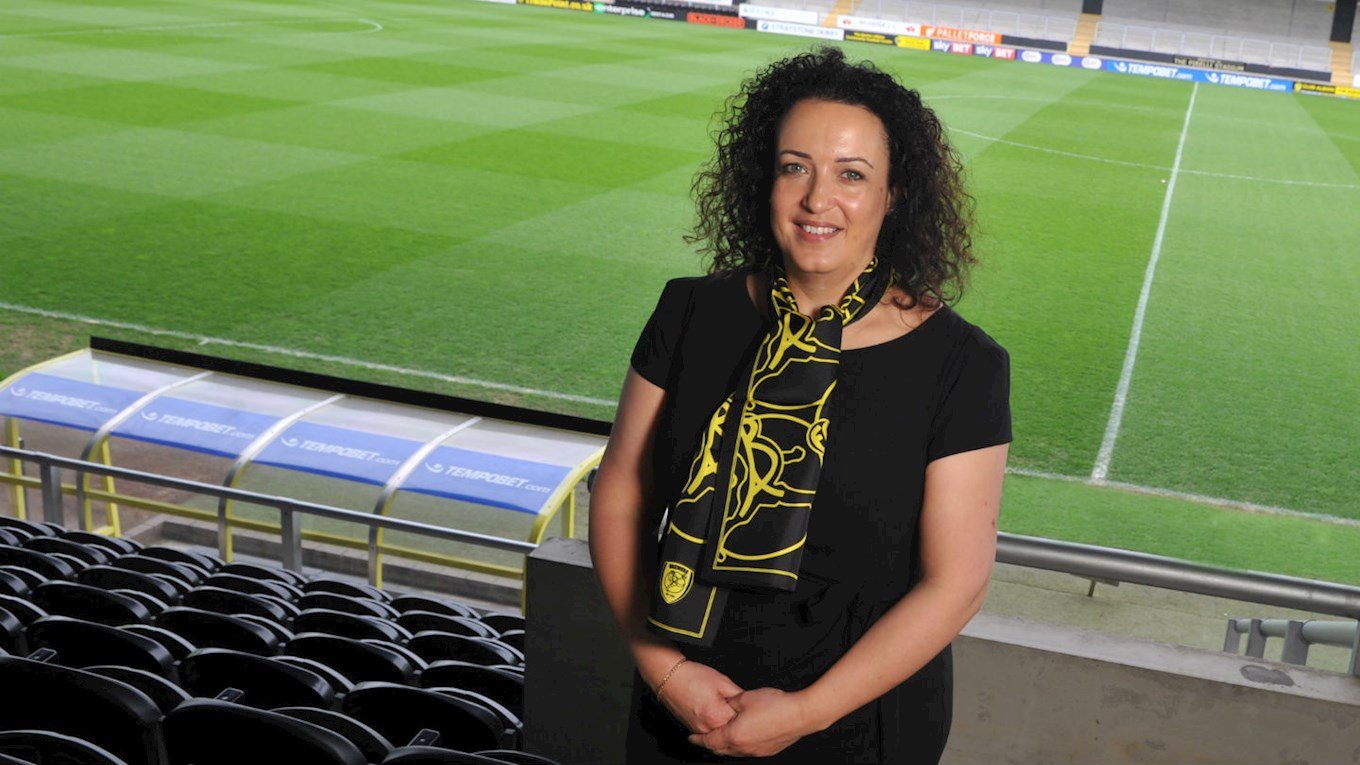
Following making historical new grounds with Hollywood stars Ryan Reynolds and Rob McElhenney taking up ownership of the Welsh club, Wrexham has broken further new grounds by appointing Fleur Robinson as their new Chief Executive Officer.

Following her appointment, on the club’s official website a thrilled Fleur said: “I’m delighted to accept this fantastic position and I’m excited about joining one of the oldest professional football clubs in the world, which has both a proud history and a positive future.

“There are not many jobs that would have pulled me away from Burton Albion, a club I have helped develop from the second tier of non-league to two seasons in the Championship, but the prospect of joining Wrexham at the start of what I believe is about to be an incredible new era for the club was too exciting to pass up.”

Co-owner Reynolds said: “Fleur’s enthusiasm just shone through and having successfully navigated the journey to the EFL from the National League, she was able to offer us something different but exceptionally relevant.”

Fellow-owner McElhenney added: “Fleur will be a great leader for Wrexham. Her commitment to placing the Club at the centre of the community and experience in doing so was exceptionally attractive when you consider the importance we place on that area in our Mission Statement.”

The latest off-field development by the pair will see Fleur Robinson taking up her new position in June after she serves her notice period at her current club.

According to the findings of an independent review into historical child sexual abuse in the game, "Significant institutional failings" by the Football Association meant it "did not do enough to keep children safe".

It found the FA was "too slow" to have sufficient protection measures in place between October 1995 and May 2000. It said there was no evidence the FA knew of a problem before summer 1995. The report focused on the abuse of children between 1970 and 2005.

It said: "The FA acted far too slowly to introduce appropriate and sufficient child protection measures, and to ensure that safeguarding was taken sufficiently seriously by those involved in the game. These are significant institutional failings for which there is no excuse."

The long awaited 710-page review, led by Clive Sheldon QC and commissioned by the FA in 2016, found:

·         Following high-profile convictions of child sexual abusers from the summer of 1995 until May 2000, the FA "could and should have done more to keep children safe".

·         There was a significant delay by the FA in putting in place sufficient child protection measures in football at that time. In that period, the FA "did not do enough" to keep children safe and "child protection was not regarded as an urgent priority".

·         Even after May 2000, when the FA launched a comprehensive child protection policy and programme, "mistakes were still made" by the FA.

·         The FA failed to ban two of the most notorious perpetrators of child sexual abuse, Barry Bennell and Bob Higgins, from involvement in football.

·         There were known to be at least 240 suspects and 692 survivors, yet relatively few people reported abuse and the actual level was likely to be far higher.

·         Where incidents of abuse were reported to people in authority at football clubs, their responses were "rarely competent or appropriate".

·         Abuse within football was "not commonplace". The overwhelming majority of young people were able to engage in football safely.

·         While several of the perpetrators knew each other, there was not evidence of a "paedophile ring" in football - Sheldon says: "I do not consider that perpetrators shared boys with one another for sexual purposes, or shared information with one another that would have facilitated child sexual abuse."

Sheldon's review has made 13 safeguarding recommendations, and he said: "Understanding and acknowledging the appalling abuse suffered by young players in the period covered by the review is important for its own sake. Survivors deserve to be listened to, and their suffering deserves to be properly recognised. As well as recognising and facing up to what happened in the past, it is also important that this terrible history is not repeated, and that everything possible is done now to safeguard the current and future generations of young players."

On 16 November 2016, former footballer Andy Woodward waived his right to anonymity to talk about how he was sexually abused by Bennell at Crewe Alexandra from the age of 11 to 15. Several other people contacted police in the following days, before former England and Tottenham player Paul Stewart said he was abused as a child by a coach, later named as Frank Roper.

Children's charity the NSPCC set up a hotline with the Football Association dedicated to footballers who had experienced sexual abuse - more than 860 calls were received in the first week. After investigations involving several police forces started, the FA announced an independent inquiry into non-recent child sex abuse, led by Sheldon.

The independent review made its first call for evidence in January 2017, writing to all football clubs in England and Wales, amateur and professional, asking for information about allegations between 1970 and 2005.

Sheldon's review said the FA was not aware that abuse had actually occurred in football prior to the summer of 1995, before Bennell had been convicted in Florida in connection with a football-related tour. The report found that the provision of child protection guidance was "not something which was happening widely within sport".

The report said that for much of the period the review covered:

·         club staff and officials were generally unaware of child protection issues;

·         they were not trained in child protection issues;

·         they did not identify or respond to signs of potential abuse;

·         and if they were aware of the signs, they did not examine them with curiosity or suspicion.

In March 2019, Manchester City set up a multi-million pound compensation scheme for victims of historical child sexual abuse carried out by former coaches. The report said that Manchester City senior management were aware of rumours and concerns about Barry Bennell's conduct in the early 1980s. "The club did not investigate these rumours. It should have done so. The club should also have investigated the arrangements for boys staying at Bennell's house."

Crewe Alexandra have reiterated that they were not aware of any sexual abuse by Bennell until 1994 when he was convicted of sexual assault, and did not receive a single complaint about sexual abuse by him. The Sheldon report said: "It is likely that three directors of Crewe Alexandra FC discussed concerns about Bennell which hinted at his sexual interest in children.

There’s no evidence that the advice of a senior police officer to the club's former chairman to keep a 'watching brief' on Bennell was heeded. The club should also have ensured that there were appropriate arrangements in place for boys staying overnight at Barry Bennell's house.

The boys should have been spoken to periodically to check that they were being properly cared for. Had such steps been taken, this might have led to boys making disclosures to the club".

Stoke City were "also aware of rumours about Bennell" during his time associated with the club in the early 1990s, said the report, and steps should have been taken to monitor his activities. Premier League clubs Aston Villa and Leicester paid damages to five victims of Langford in March 2020. The report said Aston Villa should have reported disclosures about sexual abuse by Langford to the police when his role as a scout was terminated in July 1989.

Southampton admitted "considerable failings" and said they were "deeply sorry" to young footballers abused by Higgins. The report found that Southampton and Peterborough FC were also aware of rumours about the inappropriate behaviour of Bob Higgins, and were aware that boys were staying at his home. This awareness should have resulted in greater monitoring by clubs. Had Higgins been properly monitored this might have prevented some of his abuse of young players.

At Chelsea, in relation to Eddie Heath, the Sheldon report said steps should have been taken to protect the young player who had made a disclosure about abuse in or around 1975. Newcastle United should have acted more quickly following disclosures of abuse by George Ormond at the youth club "Monty's" in early 1997.

Ormond was only removed from the club many months later, and after Ormond had been permitted to travel abroad with young players. The report found that despite being aware of the allegations, no additional safeguards were put in place by the club.

Among Sheldon's recommendations are the introduction of safeguarding training at several levels in the game, including all players and young people as well as the FA board and senior management team. He also recommends there should be safeguarding officers employed by all Premier League and English Football League clubs.

Former Brighton striker Maheta Molango is set to replace Gordon Taylor as chief executive of the Professional Footballers' Association.

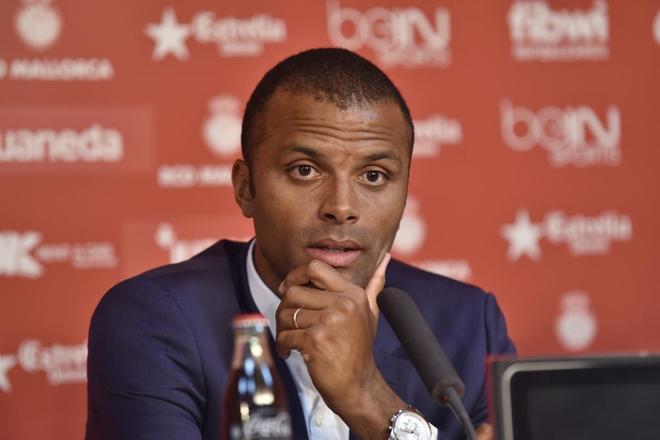
The 38-year-old Swiss, who spent four years working as chief executive of Spanish La Liga club Real Mallorca, has been recommended for his new position by an independent advisory panel. Taylor is to leave the role he has held since 1981 at the end of the season.

The players' board has approved of the appointment, but it is not yet formal. A statement from the players' union added that the PFA "will now look to finalise terms" with Molango, who qualified to be a lawyer in Spain after retiring from playing. Four independent non-executive directors have overseen the recruitment process.

The former Lincoln City, Oldham Athletic, Wrexham and Grays Athletic player will become only the second person in 40 years to lead the PFA when Taylor finally stands down two years after first announcing his intention to do so.

An independent QC-led review last year recommended a governance overhaul for the organisation. A Charity Commission investigation into the PFA charity is ongoing.