
Colors: Yellow Color

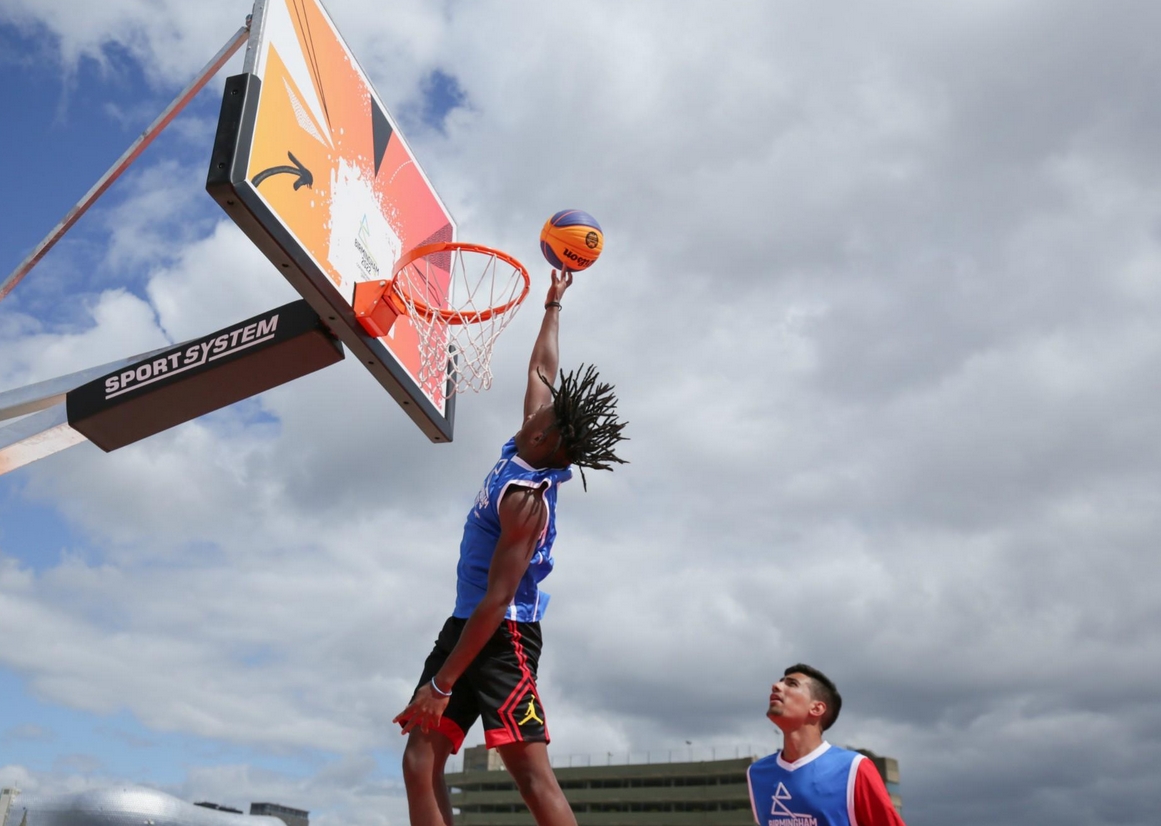
Sports fans are being given a once in a lifetime opportunity to be part of a major multi-sport event after Birmingham 2022 confirmed that it was adding two sport specific roles to its popular apprenticeship scheme.

The scheme was only launched in late September but more than 1,100 people have already applied to be part of it, with eight apprentices appointed and a total of 12 expected to start work in January on helping to plan and deliver the biggest event ever to be held in the West Midlands.

The sports specific apprenticeship roles, which are open to people of all ages, are expected to attract applicants who are passionate about sport, as the successful candidates will have an opportunity to learn from and build relationships with major industry stakeholders. The apprentices will be given a unique chance to kick start their careers by working on the biggest sports event to be staged in the UK for ten years.

The sport apprentices will take on the role of Sport Team Assistant, working closely with the Director of Sport and assisting the wider sports team with co-ordinating updates to project plans, preparing presentations and reports and providing general administrative support.

These apprenticeship roles are two of eight that are currently vacant, with two technology and four accreditation apprentices also being sought. The accreditation apprentices will work with the team responsible for creating and managing the system that will enable approximately 80,000 people to work on and participate in the Games.

John Crabtree, Chair of Birmingham 2022, said: “Our commitment to expand the apprenticeship scheme at this pace means we can offer even more roles throughout the organisation. Not only will the successful applicants learn new skills and gain valuable experience but they will also be able to say that they were part of history, helping to organise an event which will put Birmingham and the region firmly in the global spotlight.”

“We hope to recruit around 30 apprentices in total and once the successful candidates have completed their apprenticeship they will continue working for the organisation, helping us to deliver a spectacular edition of the Games in the summer of 2022.”

The application process for the apprenticeship roles, which are open to everyone with a grade C (Level 4) in English, Grade D (Level 3) in Maths and with basic computer literacy skills, is very straightforward, with candidates simply completing a guided application.

More details about the roles, and how to apply for them, can be found on a new website at birmingham2022.gigroup.com The site has been introduced to make it even easier to find out about vacancies at Birmingham 2022 and it has a section dedicated to apprenticeships, with interview advice and some mock interview questions included.

The site has been created by Gi Group, official recruitment partner for Birmingham 2022 and Gi Group UK Chief Executive Officer, Paulo Canoa, said: “We wanted to provide an exceptional candidate experience and to make it as easy as possible for people to access information about and apply for Birmingham 2022 roles. The dedicated website, provides information about each department, advertises all of the vacancies and explains the recruitment process.

“Together with Birmingham 2022’s, recruitment and HR teams, we will also provide the best possible apprenticeship training and learning support and ensure the new recruits have a rewarding experience during their time with the company and develop the employability skills for future success.”

Minister for Sport, Heritage and Tourism, Nigel Huddleston, said: "Backed by almost £600 million of government investment, Birmingham 2022 will create new opportunities for people of all ages and abilities. I'm delighted to see that this apprenticeship scheme will help us to do just that, offering a unique opportunity to play a role in the UK's biggest sporting event in a decade, and develop new skills along the way."

Andy Street, the Mayor of the West Midlands, said: “One of the main reasons I was so determined to help secure the Commonwealth Games for the region was the employment opportunities it will create for people across the West Midlands, and that has become even more critical given the backdrop of the pandemic.

“These apprenticeships are fantastic opportunities for people to not only get involved in the biggest sporting event the region has ever held, but to also find a route into employment.

“I would encourage everyone to think about how they can play their part in the Commonwealth Games and help shape the future of our region, whether that is through these apprenticeships or some of the other opportunities on offer.”

The extension of the apprenticeship scheme also comes as Birmingham 2022 confirmed it is looking to recruit another 25 new members of staff before the end of 2020. Current vacancies, including those for roles starting in 2021 which are also already being advertised, can be found at birmingham2022.gigroup.com with the marketing, procurement, accessibility and volunteering teams all currently recruiting.
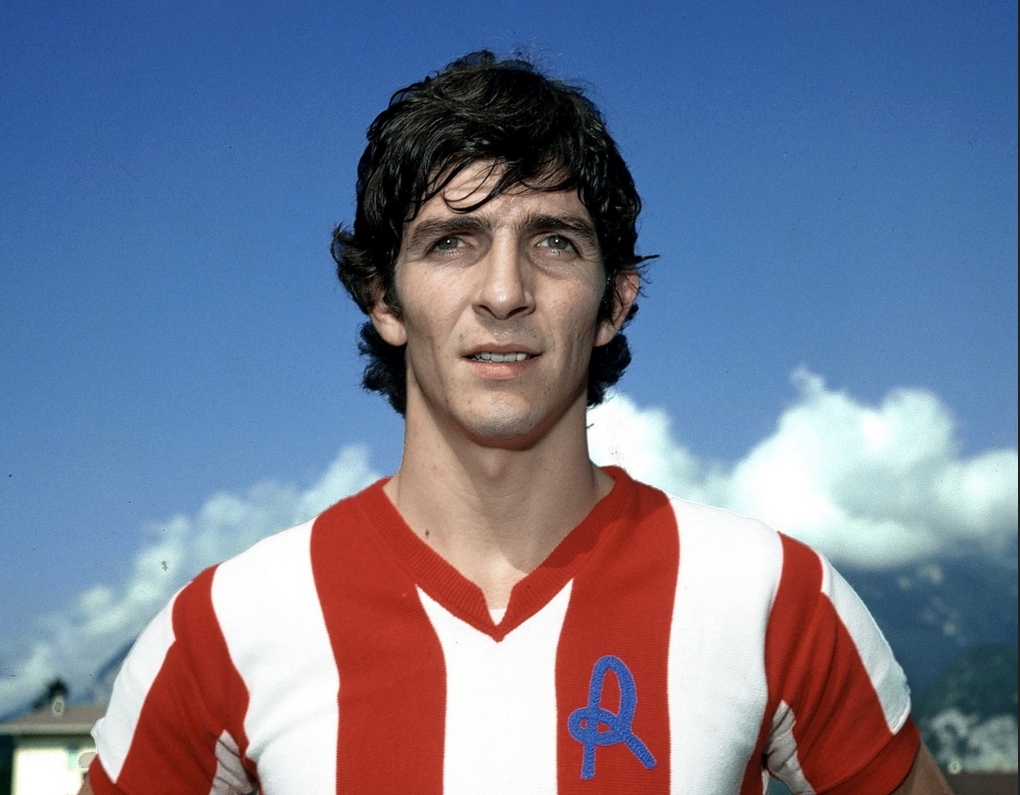
Italy's 1982 World Cup hero Paolo Rossi has died, his family says. He became a household name after leading the Azzurri to victory at the tournament in Spain, finishing as top scorer and being named best player. At club level he first came to prominence as a prolific scorer for Vicenza, earning a move to Juventus and later playing for AC Milan.

His death was announced, following what Italian media report had been a long illness.

Rossi's wife Federica Cappelletti posted a picture of them together on social media with the words "Per sempre" ("forever").

She did not disclose the cause of his death.

Rossi scored 20 goals in 48 appearances for the Italian national side, and more than 100 Serie A goals during spells with Vicenza, Perugia, Juventus, Milan and Verona. "Sometimes there are simply no words to express the pain we are all experiencing," said a statement from Vicenza, who Rossi helped win promotion to Serie A in 1977.

Following his performances at the 1982 World Cup, he was awarded the Ballon d'Or which at the time was given to the European footballer of the year.

After retiring from football in the late 1980s, Rossi worked as a pundit for Sky, Mediaset and Rai.

He wrote his name into footballing folklore with his displays at the 1982 World Cup - although he nearly missed the competition after being implicated in a match-fixing scandal.

Although Rossi maintained his innocence, he was banned from football for three years after being accused of taking part in the 1980 Totonero scandal.

This suspension was reduced to two years on appeal, meaning he was available to play at the World Cup in Spain. Rossi later described going on to win the tournament as a "personal redemption". The tournament started with a whimper for both Italy and Rossi. The Juventus striker failed to score in the opening group stage as Italy drew all three games to scrape through.

The Italians looked far from World Cup contenders - until Rossi, whose performances had come under criticism, found his sharpness in front of goal in the crucial meeting with Brazil in the second group stage.

Rossi scored a hat-trick as Italy won 3-2 to reach the semi-finals, then scored both goals against Poland as Italy set up a meeting with West Germany in the final. A tense final swung Italy's way when Rossi scored the opening goal in the second half, the Azzurri going on to win 3-1 and become world champions for a third time.

"On one hand I felt fulfilled. I said to myself, 'you've made it'," Rossi later said about the triumph. On the other hand, I was disappointed that all of this just ended. The World Cup was over.

"But when you win something important it's not just about the trophy. It's about the group you win it with, it's about your entire career that took you there."

Italy's triumph sparked an outpouring of emotion back home, providing national unity and joy at a time when the country was beset by political and social unrest.

Those images of Rossi and his team-mates becoming world champions will forever be ingrained in the country's culture, says Italian journalist Daniele Verri, who said: "We are all shocked here because Paulo Rossi is such an iconic figure for Italian football.

"He is part of Italian history that goes beyond football. For those who were lucky enough to see him play in the 1982 World Cup we cannot ever forget what he did.

"The images of Spain 82 are part of Italian culture."

Rossi was 64.

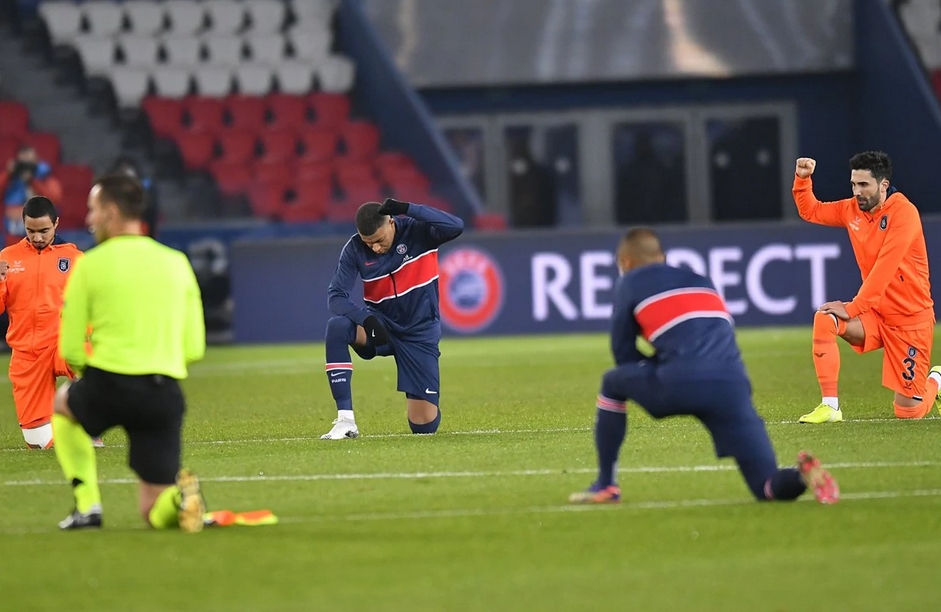
 Paris St-Germain (PSG) and Istanbul Basaksehir players took a knee around the centre circle in an anti-racism message before the restart of their Champions League tie. The fixture was abandoned at 0-0 after the fourth official was accused of using a racist term towards Basaksehir assistant Pierre Webo. The incident happened just 14 minutes into the Group H tie, which was still goalless at PSG's Parc des Princes stadium.

Both sets of players walked off the pitch with the game delayed by a day. "It was something very new," said Fare (Football Against Racism in Europe) executive director Piara Powar. “Basaksehir and PSG players walking off the pitch will act as a ‘marker’ in football's fight against racism.

"This is the first time we've seen this happen in open play and I think it signifies a marker. Many Black players are now saying we may have put up with this in the past and seen things which racialised us unfairly in the past, but now we will take the power we have and use it and walk off, which is within their right."

The game restarted with a Basaksehir free-kick in the 14th minute. Webo - who had been sent off - was allowed to take his place on the away bench, with his red card suspended while Uefa investigates the whole incident and a new set of officials were in charge for the game’s restart, with Dutchman Danny Makkelie appointed referee.

Both sets of players and the officials - who also took a knee during the Champions League anthem - wore 'no to racism' T-shirts in the warm-up, with anti-racism banners in the stands. PSG needed a win to finish top of their group, and above RB Leipzig. The eventual final score was 5-0 to the French club.

British Athletics has announced the 62 athletes who have been offered membership to the Olympic and Paralympic Futures Academy programmes for 2021, which is supported by Nike, the Official Partner of the Futures Academy Programme.

Due to the challenging circumstances brought by the Covid-19 pandemic this year, and the impact this has had on our athletes, British Athletics has retained all athletes from the 2020 Olympic and Paralympic Futures Academy Programme for the year ahead.

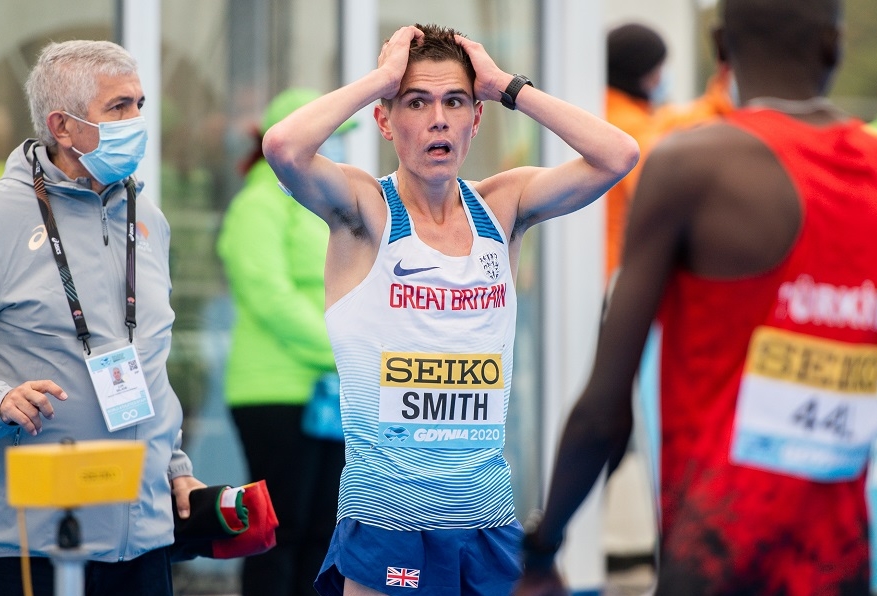
There are ten additions to Olympic Futures Academy Programme including two athletes who moved up the UK all-time age-group rankings this year; hammer thrower Charlotte Payne and endurance athlete Jake Smith.

Smith lowered the British U23 Half Marathon record in phenomenal style at the World Athletics Half Marathon Championships in Gdynia, Poland, in October. His time of 60:31 also saw him move to third on the UK all-time list behind Sir Mo Farah and Callum Hawkins. 

Payne won silver in the women’s hammer with a mark of 63.92 metres at the Müller British Athletics Championships in Manchester back in September, moving to second in the UK all-time U20 rankings behind Sophie Hitchon.

Other additions to the Programme include; 2020 British 1500m champion (indoors and outdoors), George Mills, Kelechi Aguocha, Piers Copeland, Daniel Falode, Thomas Keen, Khahisa Mhlanga, Joshua Lay and Jodie Smith.

Selections for the Futures Relay Programme will be made next year.

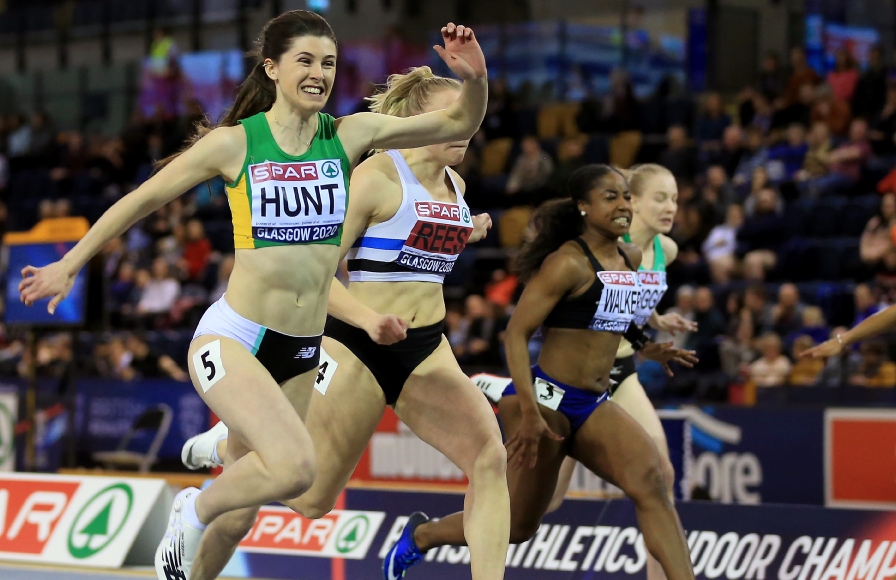
Among those retained on the Programme include British Athletics Indoor Championships 60m champion, Amy Hunt, British 800m champion, Keely Hodgkinson, and Max Burgin, who lowered his 800m PB to 1:44.75 this season.

There are also six additions to the Paralympic Futures Academy Programme including 2019 World Para Athletics Junior Championships T20 400m bronze medallist, Ethan Kirby.

Kirby lowered his 400m to 51.87 during a challenging 2020 season, achieving the time in Yeovil in September.

The other five athletes include Melanie Woods who competed at the Müller British Athletics Championships in the women’s 400m wheelchair race in September, placing third overall. Victoria Baskett, Columba Blango, Jade Smith, Kirsty Soutar and Owen Williams complete the new additions to the Programme.

Among those retained include European T38 400m silver medallist, Ross Paterson and World Para Athletics Junior Championships double silver medallist, Kirsty Taylor.

Olympic Futures Academy

Amber Anning **

Jeremiah Azu

Kelechi Aguocha

Sam Bennett

Isabelle Boffey

Shemar Boldizsar

Alex Botterill

Max Burgin

Lewis Byng

Molly Caudery

Alastair Chalmers

Piers Copeland

Charlie Dobson

Oliver Dustin

Jona Efoloko

Daniel Falode

Cameron Fillery

Lucy Hadaway

Keely Hodgkinson

Amy Hunt

Thomas Keen

Joshua Lay

Lucy-Jane Matthews

Khahisa Mhlanga

George Mills

Holly Mills

Jake Norris **

Jade O’Dowda

Dominic Ogbechie

Divine Olapido **

Ben Pattison

Charlotte Payne

Jake Smith

Jodie Smith

James Tomlinson

Serena Vincent

Erin Wallace

Joshua Zeller **

Paralympic Futures Academy:


Fabienne André

Hetti Bartlett

Victoria Baskett

Columba Blango

John Bridge

Lydia Church *

Ed Clifton

James Freeman

Bethan Griffiths

Bulbul Hussain

Ethan Kirby

Owen Miller *

India Oates

Emmanuel Oyinbo-Coker

Ross Paterson

Jade Smith

Kirsty Soutar

Steven Stone

Danny Sidbury

Kirsty Taylor

Alexander Thomson

Harrison Walsh *

Owen Williams

Melanie Woods

* Athletes marked with an asterisk are on both the Paralympic Futures and World Class Programme.

They can be fast-tracked onto the WCP but are far less experienced in other aspects of sport. It is therefore compulsory for the athletes to go through the Futures Programme for the education and experience to ensure they are better prepared for international competition.

**Athletes marked with a double asterisk are part of the NCAA and will be accessing a reduced programme due to regulations.

The programme will develop relationships with their coaches and provide support when back in the UK in preparation for major championships.

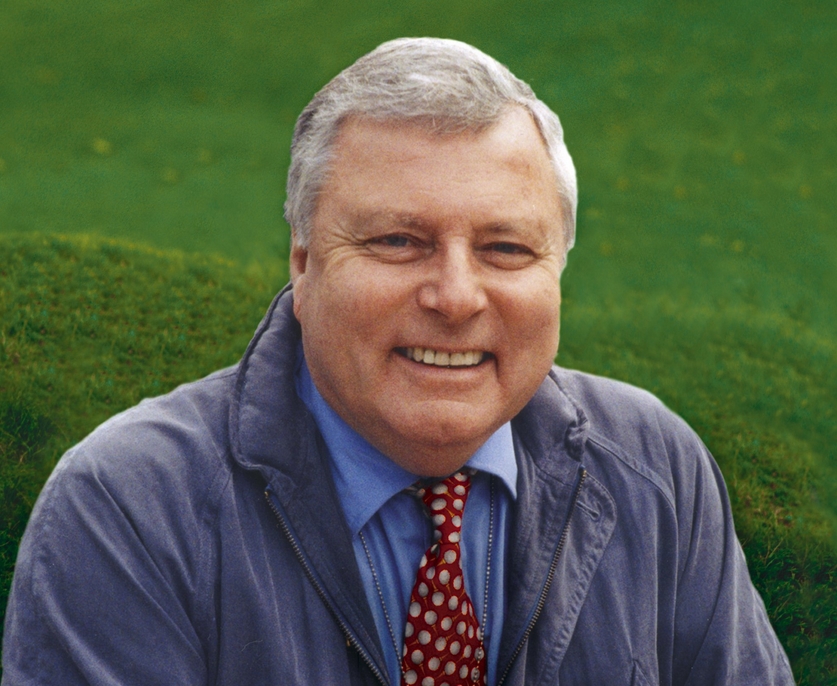
Known as 'the voice of golf' to fans around the world, Peter Alliss was synonymous with the coverage golf for more than half a century on BBC TV, having first appearing on the station in 1961 - he was made lead golf commentator after retiring as a player in 1978 - and provided the soundtrack to many of golf's most memorable moments, with November's Masters the last tournament he covered.

Born in Berlin, where his father Percy was the professional at the glamorous Wannsee club, the legendary golf commentator, who was inducted into the World Golf Hall of Fame in the Lifetime Achievement category in 2012, won 31 tournaments – as a player - and he and his father Percy were the first father-son duo to compete in the Ryder Cup, when it was a contest between Great Britain and the United States.

After retiring from playing professionally, Alliss moved into the commentary booth, where his descriptive and dead-pan style became the soundtrack to the BBC's coverage of major golf events.

His first experience behind the microphone came at the 1961 Open Championship, remarkably, in the same tournament he was challenging Arnold Palmer on the course.

"His inimitable tone, humour and command of the microphone will be sorely missed. His often legendary commentaries will be long remembered," the BBC said.

In 1978 he was appointed as the station’s chief golf commentator following the death of his co-host and great friend Henry Longhurst. He once described his television role saying: "I'm there as an old player, a lover of the game and a good weaver of stories."

To the majority of golf fans across the world Alliss’ soothing voice was the audio accompaniment to the legends of the game – from Seve Ballesteros to Tiger Woods and many more before and since.

European Tour chief executive, Keith Pelley, said: "Peter made an indelible mark on everything he did in our game, but especially as a player and a broadcaster, and he leaves a remarkable legacy," whilst Match of the Day presenter Gary Lineker, who also fronted the BBC's Masters and Open coverage in the past, and Monty Python actor John Cleese were among the first to mourn Alliss' passing.

He passed away age 89.

A £2million fund to help residents in all 69 of the city’s wards feel involved with the Birmingham 2022 Commonwealth Games is set for approval next week.

The Celebrating Communities Small Grants Funding Scheme, due before Cabinet members on December 15, is part of a wider £6million package assembled by the council to maximise the benefit and legacy of hosting the Games.

Grants will be available to run initiatives which deliver against one of three themes: ‘Getting Active’, ‘Ready, Steady, Fun’ and ‘Celebrating Culture’ - which are described as follows:

Getting Active – encouraging communities to get out and get active by participating in sports and recreational activities. The overriding aim should be to encourage residents, of all abilities and ages, to engage in physical activity and improve their health and wellbeing.

Ready, Steady, Fun – delivering community projects to ensure a local area is Games ready (e.g. by improving communal space, and hosting community celebrations to develop active citizenship and reduce loneliness and social isolation).

Celebrating Culture – developing community-led cultural events and initiatives that encourage intergenerational activities. Proposed schemes must harness the power of culture to bring people together, celebrate their identities, and the culture, heritage and stories of their communities.

The scheme, which will be run in two rounds from April 2021, will allocate funding across the city’s wards using a formula that takes into account local deprivation data and the size of the ward.

Wards with one councillor will receive between £11,100 and £17,500. Wards with two councillors will receive between £22,200 and £35,000. Fuller details will be announced and widely publicised in due course with funding set to be available from April 2021, subject to the plan being approved by Cabinet.

Councillor Ian Ward, Leader of Birmingham City Council, said: “The Birmingham 2022 Commonwealth Games have been described as a Games for everyone – this fund is all about making that a reality. We want everyone in every ward of the city to come together and have a chance to embrace our status as a Proud Host City, and there are plenty of ways that this can be done by our communities.

“Sometimes these plans will require small amounts of money to make them happen. We hope this Celebrating Communities fund will help unlock some of the local ambition and help make the events of 2022 memorable for the people of Birmingham for many years to come and help them experience the benefits the Games will bring.”

Of the remaining £4million that forms the wider £6million set aside by the council to help communities embrace the Games, £2million has already been approved for the Creative Communities Small Grants Fund.

The final £2million will be targeted at supporting learning, equalities and physical activity and be the subject of a separate Cabinet report by the end of March 2021.

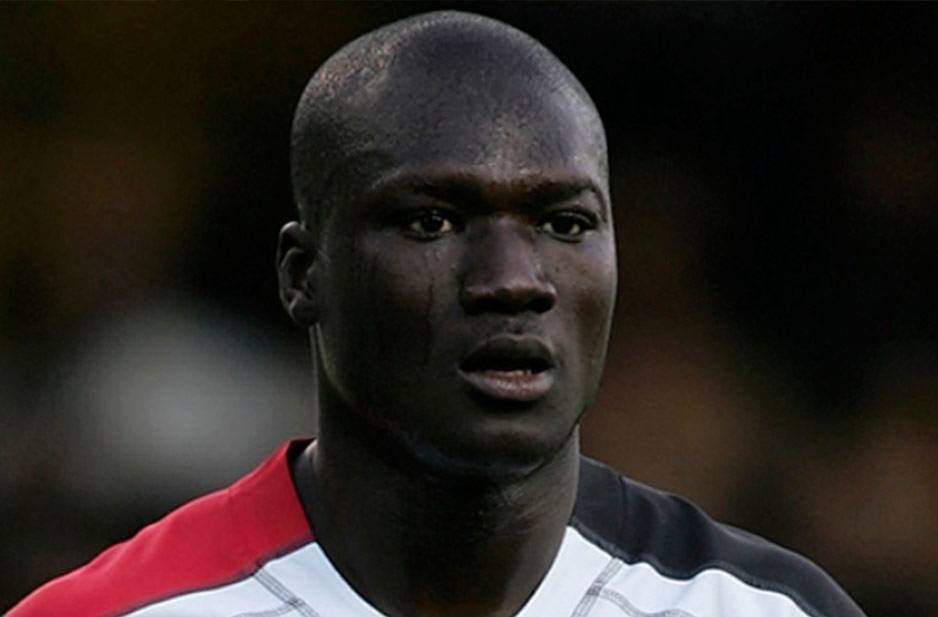
Senegalese football hero Papa Bouba Diop, who died in France last week aged 42, is being buried in a private ceremony at his birthplace near Dakar. President Macky Sall led tributes to him, saying the nation's loss was "immense".

Diop scored the only goal in the 2002 World Cup match which saw Senegal upset then reigning champions France. Several of his former teammates, some overcome with emotion, attended Friday's ceremony. They wore the shirts of the national team bearing his name, and his number, 19.

Striker El Hadji Diouf said Diop had been a model team-mate, while Henri Camara said he had lost his "twin brother". Diop's body was flown back on Friday from Lens in northern France, where he died after a long illness.

President Sall said that Diop's goal against France meant Senegal would go down in the annals of global football. After beating France, Senegal reached the quarter-finals. No African team has gone further.

The president announced that a museum at a 50,000-seater stadium being built outside the capital, Dakar, would be named after Diop, who has also been given a posthumous national award, the Knight of the National Order of Merit.

The highlight of his club career was winning the 2008 FA Cup with Portsmouth. He also played for Fulham, West Ham United, Birmingham City and French club Lens. His Portsmouth manager Harry Redknapp said he was "very lucky to have managed such a fantastic boy - he was special".

"They called him the Wardrobe, he was so big you couldn't move him," he said.

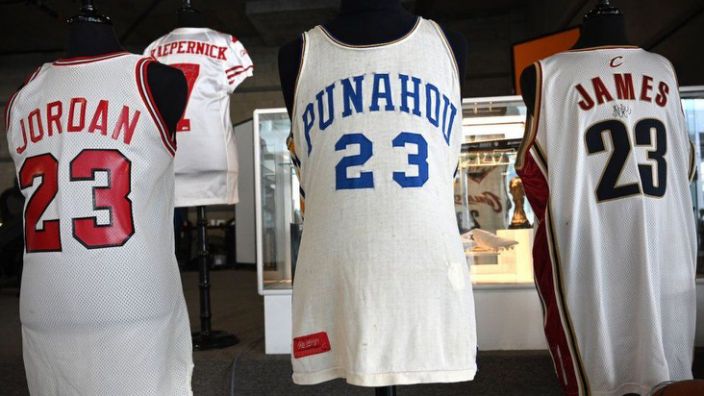
Two basketball vests - one worn by the NBA superstar Michael Jordan and the other by former US president Barack Obama - sold for record sums at a Los Angeles auction on Friday.

Jordan's number 23 vest, which he wore when he signed for the Chicago Bulls in 1984, sold for $320,000 (£235,000). Mr Obama's vest, worn with his Punahou School team, went for $192,000 - a record for a high-school sports shirt. Last year, another one of his high-school vests fetched $120,000.

Julien's Auctions in Beverly Hills said Mr Obama wore his shirt - also number 23 - in 1979, when he helped his team win the Hawaii basketball state championship. The ex-president's love of the game has followed him through life. In his new memoir, A Promised Land, he said he had to stop coaching his daughter Sasha's basketball team after parents from a rival team complained that he was giving them an unfair advantage.

Michael Jordan - the first billionaire athlete - was at the centre of the Chicago Bulls team that won six NBA championships in the 1990s. A documentary series, The Last Dance, about the team's standout successes was a hit on Netflix earlier this year. President Obama appeared as one of the show's interviewees, saying: "Michael Jordan and the Bulls changed the culture." The previous record sum for a Jordan "number 23" shirt was $288,000 in an auction in July.

Also on sale in the latest auction was an autographed Cavaliers shirt worn by current NBA star Lebron James, which sold for $128,000, and an NFL football shirt worn by quarterback Colin Kapaernick, from his debut for the San Francisco 49ers. His shirt also sold for $128,000 - a new record for an NFL shirt.

In 2016, Kaepernick became a symbol in the fight against racial injustice when he kneeled in protest during the US national anthem.

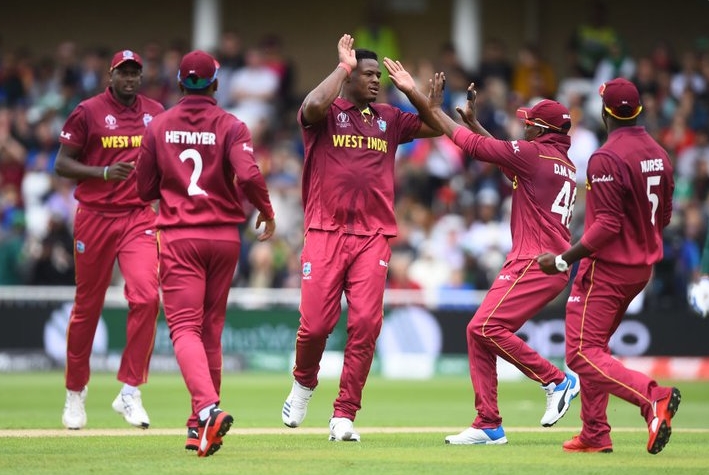
Cricket West Indies has won the 2020 Christopher Martin-Jenkins Spirit of Cricket Award for sending their men's and women's teams to tour England.

The men's side arrived in June for a three-Test series when coronavirus infection rates in England were high. The women played a Twenty20 series in September at short notice after India and South Africa were unable to tour because of the pandemic.

"We are delighted," said Cricket West Indies chief executive Johnny Grave.

"I'd like to thank MCC and the BBC for recognising the efforts that our teams made in helping to ensure that international cricket came back safely during the pandemic."

All matches this summer were played in a bio-secure environment, with players staying in hotels on site and no fans allowed in the grounds.

MCC president and former Sri Lanka captain Kumar Sangakkara said West Indies' actions "truly embodied the spirit of cricket".

The MCC and BBC, who created the award in 2013 in memory of former BBC Test Match Special commentator and MCC president Martin-Jenkins, also praised the Pakistan Cricket Board, Cricket Ireland and Cricket Australia for allowing teams to tour.

They also said the England and Wales Cricket Board made a "herculean effort to host international cricket in this extraordinary year".

Last year's winners were the New Zealand men's team, who were recognised for their conduct after losing the World Cup final to England.

The Premier League and English Football League have agreed a £250m rescue package to help ease the financial challenge faced by EFL clubs as a result of the coronavirus pandemic. The EFL will be assisted in getting a £200m loan for Championship clubs.

A £50m grant has been agreed for League One and Two clubs.

EFL chairman Rick Parry said it was a "welcome, tangible commitment to the professional game at a time when it has needed it most". The Premier League will pay up to £15m to help the EFL secure a £200m loan which it will then lend to Championship clubs interest free.

Loans are capped at £8.33m per club and must be repaid by June 2024.

The £50m rescue package for Leagues One and Two is split into two parts - £30m will be paid to the 48 clubs as a grant based on missed gate receipts from the 2019-20 and 2020-21 seasons. A further £20m monitored grant will be provided and clubs can apply based on need. A joint Premier League and EFL panel will determine club eligibility.

Clubs receiving a monitored grant will be subject to restrictions with respect to transfer spend and player wages.

"Our over-arching aim throughout this process has been to ensure that all EFL clubs survive the financial impact of the pandemic," said Parry. "I am pleased that we have now reached a resolution on behalf of our clubs and, as we have maintained throughout, this will provide much-needed support and clarity following months of uncertainty." Premier League chief executive Richard Masters said: "The Premier League is a huge supporter of the football pyramid and is well aware of the important role clubs play in their communities. Our commitment is that no EFL club need go out of business due to Covid-19.

"We are very pleased to have reached this agreement and we stand together with the EFL in our commitment to protect all clubs in these unprecedented times." Since March, football has been played behind closed doors until restrictions were lifted in some areas of England this week, meaning clubs have missed out on vital matchday revenue. In October, EFL clubs rejected the Premier League's proposed £50m rescue package for League One and Two clubs, saying it "falls some way short" of the required amount. Top-flight clubs made the offer after deciding not to pursue Project Big Picture. But in November, clubs "agreed in principle" for those in League One and Two to receive the package from the Premier League.

The agreement came two days after after a parliamentary committee heard that 10 EFL clubs were struggling to pay wages. The EFL board approved the deal before Premier League shareholders then gave their final approval to the agreement.

"I warmly welcome this deal between the Premier League and the EFL which provides up to £250m support to help clubs through Covid," said culture secretary Oliver Dowden. "Fans are starting to return and we look forward to building on this as soon as it's safe.

"With a £250m support package for men's elite football and £300m government funding for women's football, the National League and other major spectator sports, we have fuel in the tank to get clubs and sports through this."

Julian Knight MP, chair of the Digital, Culture, Media and Sport Committee, said he welcomed the rescue package but criticised the delay in agreeing the deal, adding: "This fiasco is evidence of a lack of accountability within football's governance structure."

As Olympians and athletes they have stood on podiums, enjoyed international acclaim and have taken home the most coveted prizes in their respective sports, but a group of global sporting stars have united to underline the crisis in mental health among young people and how sport can play a role in reversing this.

Speaking at the inaugural Laureus Sport for Good Mental Health and Wellbeing Forum - an online event supported by EACT Jockey Club Active Community Programme - sports stars were joined by representatives from Laureus-supported mental health and wellbeing programmes from around the world, as well as global leaders from the mental health and wellbeing sector.

Laureus Olympic legends including 400m hurdling legend Edwin Moses, four-time Olympic gold medallist, Li Xiaopeng, China’s first winter gold medallist Yang Yang, and South African swimming stars Cameron van der Burgh and Natalie du Toit were joined by rugby stars Sean Fitzpatrick and Nolli Waterman with surfing legend Garrett McNamara.

The international field was joined by Laureus Hong Kong Ambassadors Lee Lai Shan, Wong Kam Po, Malina Ngai Man Lin, Alex Fong Lik Sun, top fencer Vivian Kong and swimmer Yvette Kong for the inaugural EACT Jockey Club Active Community Programme: Laureus Sport for Good Mental Health and Wellbeing through Sport Regional Forum.

Throughout the three-day Forum, participants heard how Covid-19 has had a catastrophic impact on the mental health and well-being of young people all over the world, as a result of lockdowns, restrictions and the loss of social interaction, sport and wider opportunities for self-development. 

The Forum showcased the pioneering Model City Hong Kong initiative, which is convening like-minded organisations with the goal of working together to use sport to make a positive impact on the mental health and wellbeing of young people in the region as restrictions ease and activities return. The event also discussed the transformational mental health and wellbeing benefits of sport - particularly surfing, which will make an Olympic debut in Tokyo next year and swimming. Participants also heard about how sport is building resilience and tackling depression and anxiety in young people in Northern Ireland.

Laureus Academy Member Edwin Moses, who won Olympic 400m hurdling gold at the 1976 and 1982 Olympics, and was unbeaten for nine years, nine months and nine days, a streak of 122 consecutive race wins in the 400-meter hurdles, including 107 finals races, believes sport is the perfect tool to support young people with mental health challenges: “Globally, we have all been impacted by the Covid-19 pandemic, but as one of our inspirational programme leaders rightly said during the Forum, young people in many communities around the world are also being impacted by mental health and wellbeing epidemics.

“At the highest level, the mental side of sport is crucial, but of most importance is the role sport can play in supporting young people with mental health challenges.

“At Laureus, the research is proving that the work we are supporting is making a difference to the mental health and wellbeing of disadvantaged young people, and we need to keep that up.”

Laureus Academy Chairman Sean Fitzpatrick, a legend of All Blacks rugby who played in 63 consecutive Test matches for his country, spoke about the positive conversations that took place throughout the Forum, and encouraged participants to continue those conversations in the future.  

“The transformational programmes we support through Laureus Sport for Good are doing incredible work in their communities around the world,” said Sean. “Throughout the Forum, we heard current and former athletes, mental health professionals and sport for development programme leaders talk about the positive role sport can play in supporting young people with mental health challenges. If there’s one thing we should all take away from this event, it’s that we need to keep moving forward, keep these conversations going and keep changing young lives for the better.”

Laureus Academy Member Yang Yang, who won 500m short track speed skating gold at the 2002 Winter Olympics, making history as China’s first Winter Olympic champion, spoke at the close of the Forum. Yang Yang urged the sport for development sector to continue the conversation on mental health and continue using sport as the tool to transform the lives of young people facing mental health and wellbeing challenges.

“Children and young people are our future, and mental health and wellbeing among young people is a subject we need to put at the top of our agendas in the coming months and years,” said Yang Yang. “Listening to the mental health and wellbeing experts discuss the transformational power of sport, and hearing the incredible people on the ground at our Sport for Good programmes has been inspirational. In sport and in life, we all come up against challenges and the global challenges in 2020 are no different. Working together, sharing knowledge and continuing the conversations we have had over these three days is going to be so important in us using sport to help build resilience and confidence in our young people.”


“Here in Asia and around the world, mental health and wellbeing challenges faced by vulnerable and disadvantaged young people are increasing,” said Laureus Academy Member and four-time Olympic champion Li Xiaopeng. “2020 has been a turbulent year globally, but it’s had a real impact on young people we are working with. Through the Forum, we all had the opportunity to reduce stigma, raise awareness and use sport to help young people build confidence and increase self-esteem, and that’s one of Laureus Sport for Good’s main priorities, especially here in Hong Kong.”

Laureus Sport for Good currently supports more than 200 programmes in over 40 countries that use the power of sport to transform lives.

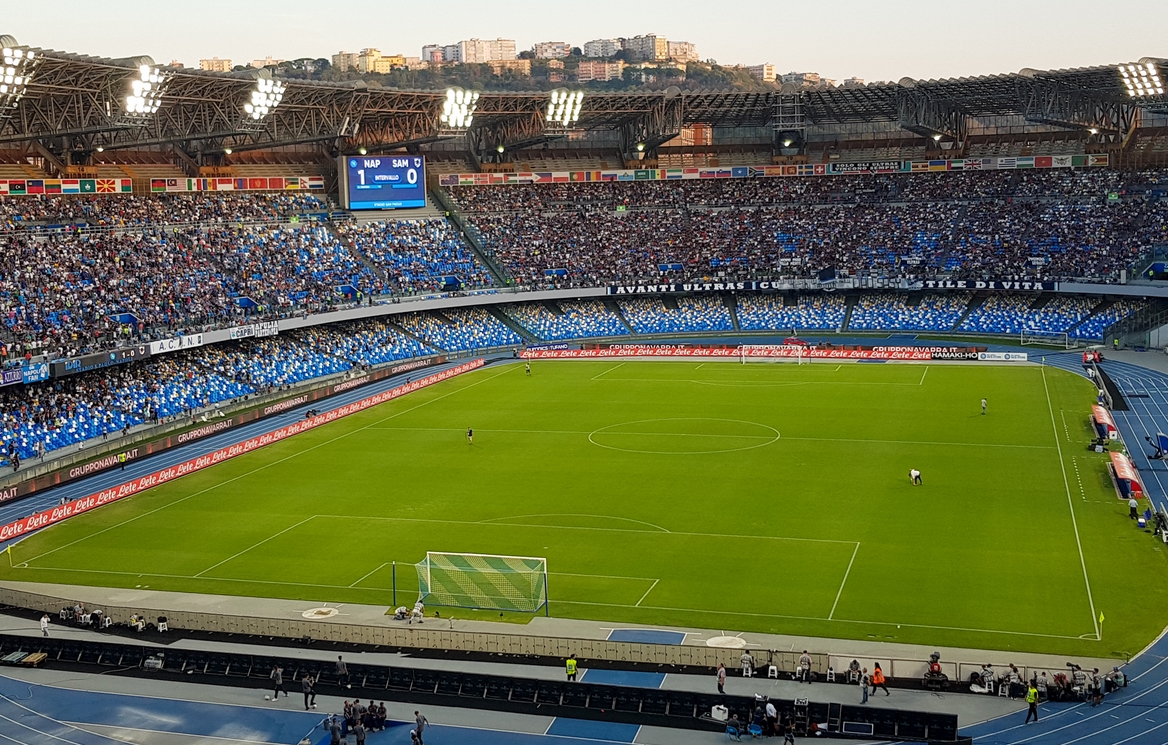
Napoli have renamed their stadium after late club legend Diego Maradona.

Former Argentina attacking midfielder and manager Maradona, who died aged 60 in November, led the Italian side to two Serie A titles, in 1987 and 1990.

The Stadio San Paolo will now be known as the Stadio Diego Armando Maradona, after the Napoli city council approved the resolution. Napoli owner Aurelio de Laurentiis proposed renaming the stadium in an open letter after Maradona's death.

The mayor of Naples, Luigi de Magistris, also backed the idea.

Maradona spent seven years at Napoli after joining from Barcelona in 1984, also winning the 1987 Coppa Italia and 1989 Uefa Cup with the Italian club.

Fans gathered at the stadium to pay tribute to him after his death on 25 November and Napoli honoured him before their Europa League match against HNK Rijeka, each player wearing a shirt with 'Maradona 10' on the back.

"The resolution was signed by the entire city council," said the council in a statement.

It added that Maradona was "the greatest footballer of all time" who "with his immense talent and magic honoured the Napoli team shirt for seven years" and "receiving in exchange from the whole city an eternal and unconditional love".

Maradona made 188 appearances for Napoli, more than he made for any other club in his career, and scored 81 goals.

He represented Argentina in four World Cups and was captain when they won the 1986 title in Mexico.


The British Athletics Indoor Championships will be held across the 20-21 February 2021 at the Emirates Arena in Glasgow, Scotland.

Glasgow is a prestigious venue for world-class athletics, recently hosting the 2019 European Athletics Indoor Championships, as well as the SPAR British Athletics Indoor Championships and Müller Indoor Grand Prix earlier in 2020. The choice of venue was carefully considered to ensure that a Covid-19 safe event could be delivered in conjunction with an environment for optimum athlete performance.

The Championships will also act as the official Trial event for the European Athletics Indoor Championships in Torun (POL) and World Athletics Indoor Championship in Nanjing (CHN) which are currently scheduled to take place during the following month. 

As the sport continues its return to action following a disrupted 2020 season, UK Athletics will continue to work closely with the Home Country Athletics Federations (HCAFs) and Glasgow Life in order to adhere to current and future changes to government guidelines and those specifically in Scotland. This means that under current restrictions, the event will be held behind-closed-doors.

However, it will be streamed on britishathletics.org.uk with more information available nearer to the event. The format and shape of the competition will be communicated as soon as practically possible.

CEO of UK Athletics, Joanna Coates, said: “As we look ahead to 2021, it is fantastic that we can confirm Glasgow as the host of the British Athletics Indoor Championships once again.

“The Emirates Arena has hosted world-class athletics for several years, so we are thrilled to be working with the great team there to deliver this prestigious fixture in the calendar.

“We are again sorry that whilst at present we cannot confirm a return to the arena for spectators, we will continue to monitor the government guidelines in Scotland as we build up to the event.

“Once again, my thanks go to the Emirates Arena and Glasgow Life who we are collaborating with to deliver another high-quality sporting event, and to UK Sport for their support from the Continuity Fund, which has assisted in supporting the staging of this event.”

Councillor David McDonald, Deputy Leader of Glasgow City Council and Chair of Glasgow Life, said: “We are delighted to welcome back the British Athletics Indoor Championships to the world-famous Emirates Arena in February 2021.

“As a city which is more than capable of staging outstanding international sporting events, the inevitable postponement and cancellation of so many events in 2020 was incredibly difficult for Glasgow.

“We hope next year will allow the city to begin a slow and steady return to hosting world-class major sporting events, and the British Athletics Indoor Championships is the perfect event to celebrate the beginning of this process.”

Fans returned to English Football League (EFL) grounds yesterday for the first time in more than nine months as coronavirus restrictions were eased.

Luton and Wycombe, who had not played in front of fans at their home grounds since February, were permitted capacities of 1,000 for their matches.

Carlisle, Charlton, Shrewsbury and Cambridge also welcomed back fans.

Other EFL teams who played last night were in tier three areas, which prohibits supporters at elite level.


Luton and Wycombe were only permitted capacities of 1,000 but Carlisle, Charlton, Shrewsbury and Cambridge were granted 2,000 as they had staged test event matches earlier in the season.

No away fans were allowed and no supporter was able to attend if they live in a tier three area.

Arsenal will be the first Premier League club permitted to host home supporters, when they play Rapid Vienna in the Europa League tomorrow.

The first Premier League fixture to welcome fans will be West Ham's game at home to Manchester United on Saturday, before Chelsea host Leeds later that day.

With the exception of two pilot events at Warwick and Doncaster in September, horse racing has also been without crowds since March, but racegoers were able to return yesterday with Lingfield Park in Surrey, among the tracks able to welcome back spectators.

A shortlist of six contenders has been announced for the 2020 BBC Sports Personality of the Year (SPOTY) award.

The nominees are Formula 1's Lewis Hamilton, jockey Hollie Doyle, boxer Tyson Fury, footballer Jordan Henderson, cricketer Stuart Broad and snooker star Ronnie O'Sullivan.

Voting will be open to the public during the Sports Personality programme on BBC One on Sunday, December 20.

The show is being broadcast live from Media City in Salford.

Football pundit Alex Scott will join the presenting line-up alongside Gary Lineker, Clare Balding and Gabby Logan to look back on a truly unusual year of sport in front of a huge virtual audience and millions of viewers on television.

The ceremony will champion the teams that triumphed despite the pandemic, sports stars that achieved greatness even with interrupted schedules and the coaches and local heroes that made it possible.

The public can vote by phone or online on the night for the main award, with full details announced during the show.

Other awards to be announced include Team and Coach of the Year, World Sport Star of the Year and Unsung Hero, while Manchester United forward Marcus Rashford will receive a special award in recognition of his work to raise awareness of child food poverty in the UK.


There has been a growing concern and appetite for change when looking at terminology and language surrounding how we describe the communities impacted by racial discrimination. The mainstream term in use is Black Asian and Minority Ethnic (BAME). The problem with BAME, and other now outdated phrases as terminology, is that there are issues of generic and casual branding of communities. This is whilst also avoiding the varying issues impacting specific communities in more severe ways, as highlighted by the recent advocation for change through Black Lives Matter. The term BAME also leaves room for ambiguity and confusion around ethnicity, geography and nationality.

The term BAME collates large swathes of groups together and places recognition on some communities whilst ignoring others entirely. The emphasis of such behaviours tends to be on the physical differences of some while relegating ethnic and cultural complexities. The insinuation that any of the communities impacted by racial discrimination are simply 'minority' ethnic groups is uncomfortable for many due to the negative connotations that are attached to the word minority, which subconsciously makes ethnic groups seem inferior to white counterparts, and connotes a general negative subtext.

This is as well as the idea that all communities and individuals who fit into the umbrella term of 'BAME,' are impacted the same way by racism. These wide and non-specific groupings fail to recognise the multiple complex strands of diverse cultures. What we need to do is get specific and avoid the use of umbrella terminology where possible.

Systematic racism is incredibly complex and to tackle it effectively, we need terminology which is more specific to the communities experiencing racism in order to improve inclusivity. We believe the term BAME is too generic and allows organisations to hide behind this term to cover up underrepresentation and racial discrimination of specific ethnic groups. The only way we can begin to unpick and deconstruct the systematic racism and discrimination towards these varied communities, is by recognising specific communities, their underrepresentation and the experience they face with racism.

We must reflect on their experiences, work with them to resolve these issues and develop best practice. The first step to take is to stop using BAME and other such problematic terminology and to start looking at these communities in a more detailed way and identify them as specific groups, with an intersectional approach to identify any forms of multiple discrimination taking place. We must measure engagement from the varied communities more effectively and become accountable for the shortfalls to develop a more anti-racist approach.

We as a sector must recognise and highlight the varying and often multi-layered forms of discrimination and racism impacting communities. There are issues that would impact South Asians differently to the African or Caribbean communities, and within those communities are even more intersects of diversity that need to be recognised from ethnicity to intersectionality.

We need to be willing to embrace diversity as organisations and individuals, by knowing the communities we serve and once we do that; we need to understand and accept the diversity and complexity that communities and individuals self-identify as. Without this focus on measuring specific communities we will continue to fail to eradicate discrimination and exclusion. Being specific regarding the communities and individuals who are in need of support and engagement is the way forward. Sporting Equals recognised the weaknesses and hinderances of terminology and conducted a survey in October to aid in the development of best practice for our sector.

Our initial consultation was to our Associate Member network base of over 200 grassroots organisations in building our response to this call for evidence. This group represents 150,000 service users and almost 4,000 volunteers. The consultation reinforced our view that communities would prefer more specific definition of their identities. However, the communities also recognised and agreed that for organisational administrative purposes, they would be happy for a more sensitive and respectful term to be adopted.

The terms which were most highly favoured by our members included Diverse Ethnic Communities or Ethnically Diverse Communities, these terms allow the terminology to have more positive and broader spectrum. This is to ensure that organisations must become more specific as a result. We are placing the responsibility of specificity on our organisations and bodies of power to adopt these phrases, but then further specify the level of detail as to which groups they are engaging and why. These phrases require more detail and specification than an acronym like BAME. Diversity is the first and foremost point of importance, we need to recognise the diversity between the communities from their cultural diversity to their experiences of racism. But we must be wary to not use these terms in a casual and dismissive way. When speaking of research, marketing, engagement, and targets we must be very clear about which specific groups we are seeking to engage. We cannot continue to casually group people consistently with umbrella terminology – there must be a justified administrative or bureaucratic reason.

Following this, we at Sporting Equals will take this matter further consulting on where we should limit its usage, and we will then develop best practice to assist in cultivating a more welcoming sector for all communities. We must remember none of us win unless all of us win and with each of these changes we get one step closer to an inclusive and equal sector for all.