
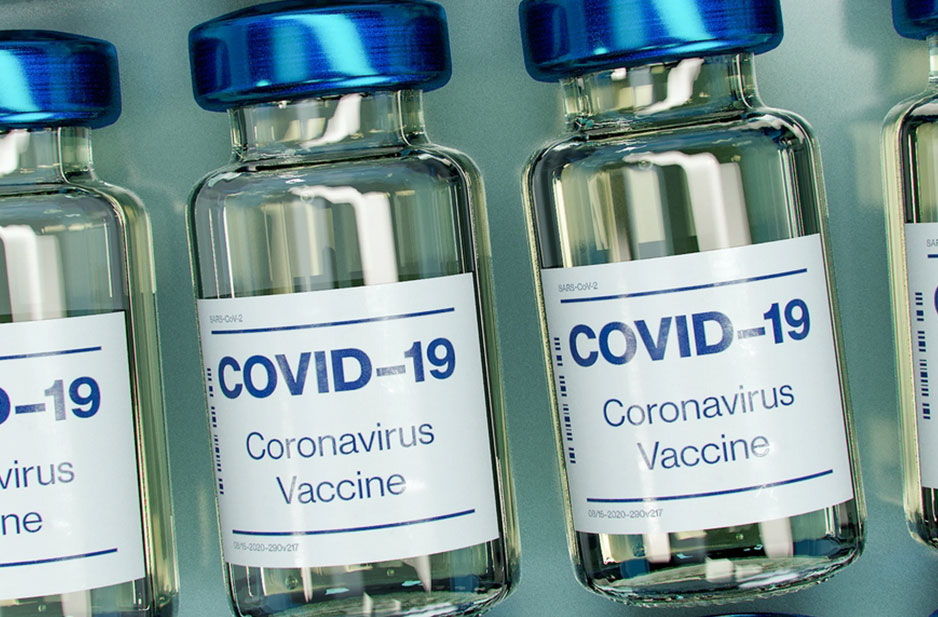
The Pfizer and AstraZeneca coronavirus vaccines are highly effective against the variant identified in India after two doses, a study has found. Two jabs of either vaccine give a similar level of protection against symptomatic disease from the Indian variant as they do for the Kent one.
However, both vaccines were only 33% effective against the Indian variant three weeks after the first dose. This compared with 50% effectiveness against the Kent variant.
Public Health England, which ran the study, said the vaccines are likely to be even more effective at preventing hospital admission and deaths. Health Secretary Matt Hancock said the findings made him increasingly confident the final stage of easing restrictions in England could take place on 21 June. The data showed getting both doses of the vaccine was absolutely vital, he added.
Home Secretary Priti Patel said the data was positive but the planned stages for the easing needed to be followed. She said: "We will continue to follow the data... we all have to be conscientious... we are distancing, wearing masks, following all the rules.
“That, of course, will help us to that unlocking on 21 June." Questioned about criticism of the timing of putting India on the travel red list, the home secretary said ministers work with the data... and that information was presented... in the right way for the decisions to be made".
She also defended the controls at UK borders - highlighting the pre-arrival testing requirements and saying that a vigorous system for making sure people arriving from red list countries were quarantining was in place.
The Pfizer vaccine was found to be 88% effective at stopping symptomatic disease from the Indian variant two weeks after the second dose, compared with 93% effectiveness against the Kent variant. The AstraZeneca jab was 60% effective against the Indian variant, compared with 66% against the Kent variant.