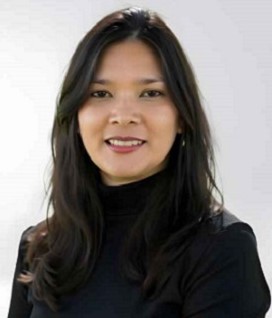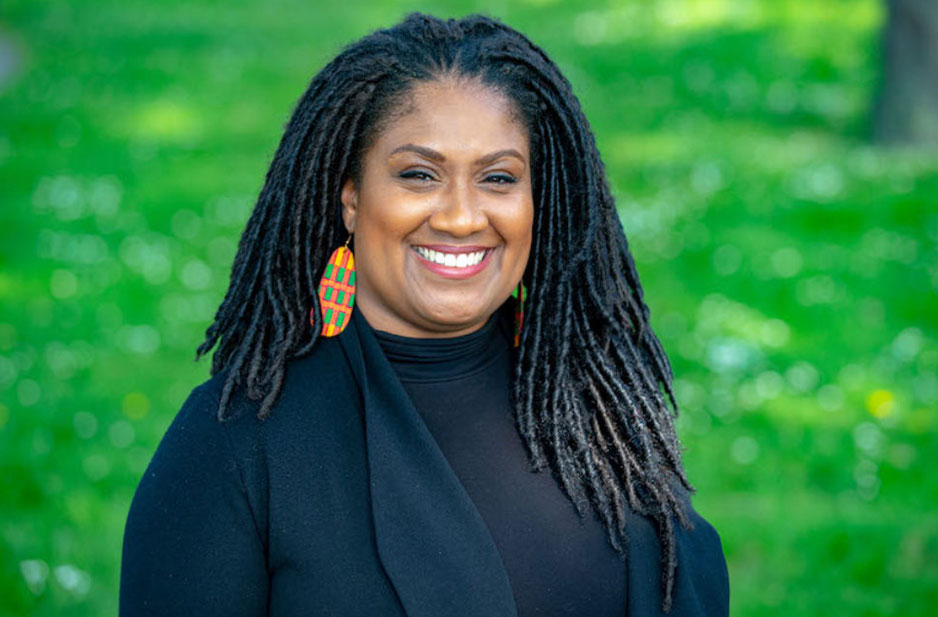
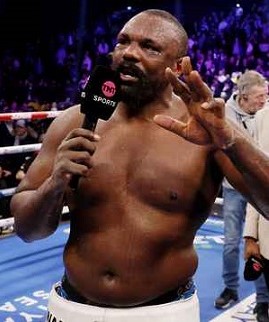
You-can’t-put-me Down syndrome is a photographic campaign that aims to challenge and rewrite the medical maternity narrative – showcasing young people and adults with Down syndrome living their best lives, each a valued and loved family member, each deserving of a maternity care system that no longer perpetuates and promotes stigma and discrimination towards them.
Featuring 14 young people and adults with Down syndrome rewriting how we perceive people with Down syndrome, the images are being featured across multimedia platforms including Sky News, Sky Sports, Metro paper and digital, as well as at Toni & Guy hair salons and David Lloyd gyms.
The images created by award-winning agency VMLY&R Commerce, are being exhibited at the Houses of Parliament from 24-27 October. Models include Daniya Chaudhry, a college student and prom queen from Coventry who is portraying Winning-hands-Down syndrome, Adam Wild and Megan Dunn from Northumberland are a young couple Ready-to-settle-Down syndrome.
James Langford from Berkshire who works for the NHS and Won’t-let-you-Down syndrome comments: “All of us have shown that our achievements are limitless’. Maya Patil of Hertfordshire who is photographed Dancing-till-sun-Down syndrome, advises, ‘People need to know our stories. They need to know never to give up on us.”
Whilst people with Down syndrome are leading full and rewarding lives, and the condition is no longer considered life-limiting, maternity practice is too often steeped in outdated attitudes and practices that promote and perpetuate stigma. We are concerned and regularly see the impact these have on expectant parents, with 90% of pregnancies affected by Down syndrome being terminated.
“Currently, the majority (69%) of expectant women when receiving the news that their baby has Down syndrome are presented with termination as an option, within the same conversation of receiving the diagnosis.
We challenge this practice that the NHS promotes to the public: "If diagnostic tests show your baby has (Down syndrome) this can lead to a decision about whether you want to continue or end the pregnancy.” We resist the fact that having Down syndrome should be assumed by medical professionals to be a reason to end a pregnancy.
Clearly, a highly sensitive subject to those with Down syndrome, one of the youngest models, 16-year-old Shelby McCloud of York shares, ‘I feel very sad. It’s so unfair.’
Nicola Enoch, CEO of Down Syndrome UK, comments: “We believe the practice is directive and discriminatory, that it undermines a woman’s autonomy and is disrespectful and offensive to those with Down syndrome.
“A narrative that suggests a woman should consider ending a pregnancy due to a diagnosis of Down syndrome, perpetuates stigma, is directive, ableist and eugenic. It sets the tone and content of the current medical narrative, with having Down syndrome routinely being perceived and portrayed as negative and to be avoided. Clear, neutral, and non-directive conversations and support are essential to high-quality care.
“We believe that women are best placed to make decisions about all aspects of their own pregnancies, including screening and antenatal care. We accept and respect that some women choose to terminate a pregnancy affected by Down syndrome, that is a woman’s choice, and we trust it is made from a balanced and informed place. We do not accept an assumption to terminate nor any pressure to terminate.”