
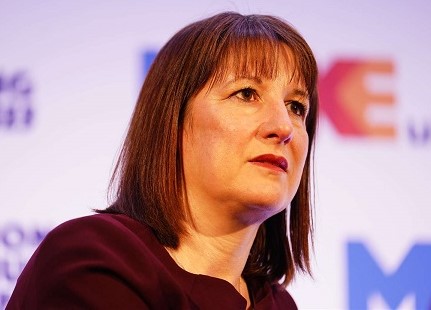
Speaking inflation figures for May, Chancellor of the Exchequer, Rachel Reeves said: ”While the war in the Middle East pushes prices up globally, we have got the right economic plan and inflation has held steady.
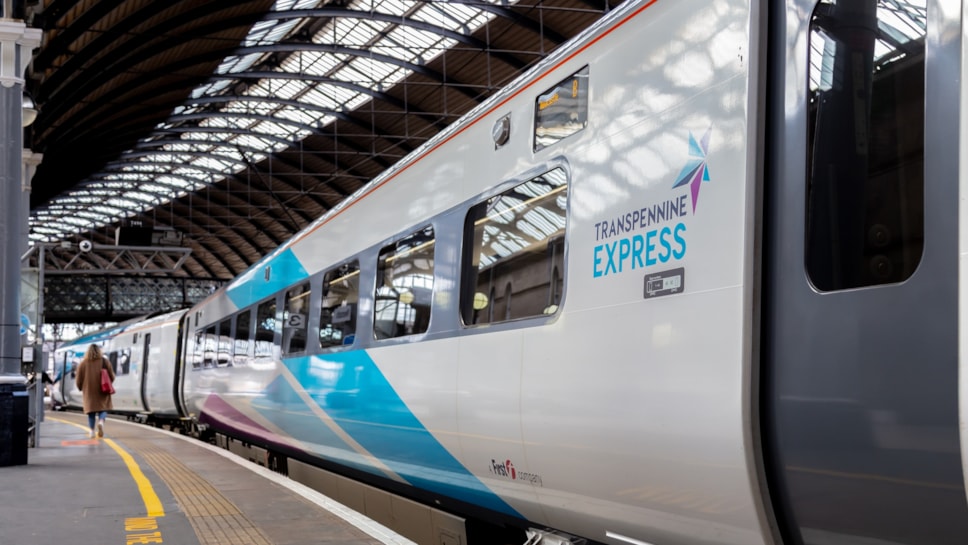
“We’re protecting families and businesses from rising costs, with cuts in energy bills and freezes in fuel duty and rail fares. This is the right economic plan to build a stronger more secure Britain.
Background information:
- We have taken targeted action to support people with the cost of living:
o We have announced targeted support on heating oil and – thanks to the Chancellor’s decisions at the Budget last year - energy bills will fall by £117 from the beginning of April. That’s locked in until the end of June.
o To shield families from future crises, the government is also setting out new measures to break the link between gas and electricity prices.
o The government has launched the Great British Summer Savings scheme which will cut the VAT rate on eligible activities from 20% to 5% allowing families to enjoy discounted attractions and meals out this summer.
o The Chancellor has slashed tariffs on over 100 items to bring down the cost of living. This is expected to save UK consumers around £230m - £370m a year.
o In August, families travelling this summer will benefit from free bus travel for children.
o The government has again extended the fuel duty cut to December 2026 meaning that by the end of this year the extension to the freeze on fuel duty will have saved the average driver £120 since 2025.
o The Chancellor announced a 10p per mile increase in tax free mileage rates, backdated to April 2026; benefiting those who need to drive for work, from care workers to plumbers.
· And we are contingency planning for every eventuality.
· But we have been clear – learning the lessons from 2022 – that any support must be targeted, timely, and fiscally responsible, so that we help those who need it most without driving inflation or interest rates higher.
· Inflation fell to 2.8% in April - due in part to government measures in the budget to lower household energy bills. This was below market expectations of 3.0%.
· The UK was the only G7 economy other than Japan to have seen inflation fall in April.
· This is in contrast the EU where inflation rose in almost every EU country, only falling in 5 member states.
· The OBR’s forecast shows government policy will lead to a CPI inflation being 0.4 percentage points lower than it otherwise would've been in 2026/27.
· Before the escalation in the Middle East, it was forecast by the OBR and the Bank of England that inflation would fall to around the 2% target in April.
· A significant driver of the May increase is vehicle excise duty. The ONS overstated the rise in vehicle excise duty in April 2025 and corrected it in May 2025 resulting in a 8.7% monthly fall. Because that pulled the figure down a year ago the annual comparison lifts measured inflation this May by around 0.1ppt.
· Airfares add a further 0.1ppt. Airfare prices are volatile month to month and tend to correct, so an unusually weak month is typically followed by a strong one. This April airfares fell because of an early Easter and we expect that to reverse in May. This reflects the timing of Easter rather than airlines raising prices. Together these two mechanical effects account for almost all of the rise from 2.8% to 3.0% in May, with underlying price pressures little changed.