Colors: Purple Color

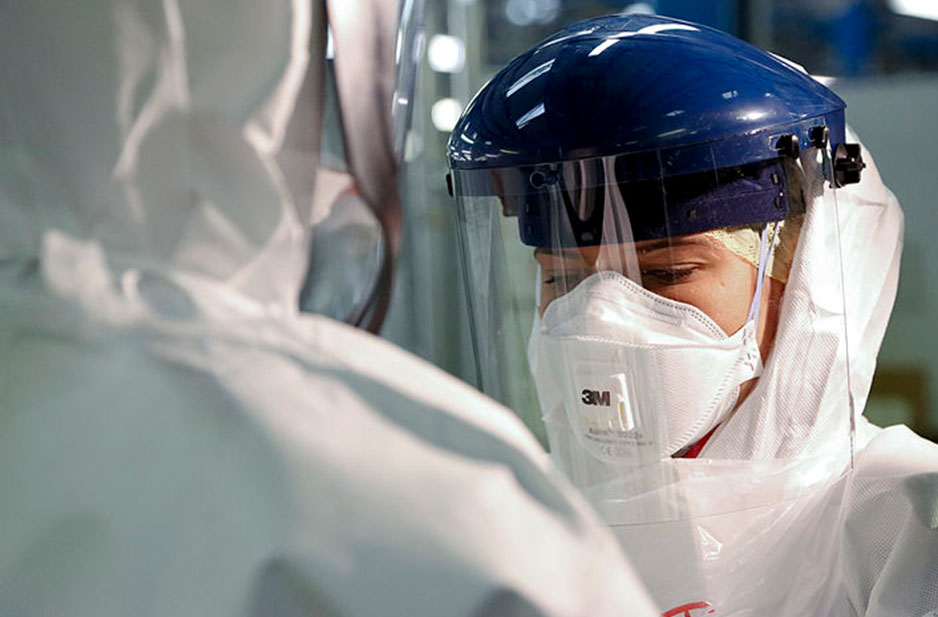
A doctor who was one of the ones who was making a desperate urge for volunteers to make much-needed visors for NHS staff – due to the shortage at her hospital – has said that she was “overwhelmed” by the response.

More than 75,000 face shields have been produced in just weeks after the appeal was made.

Following the plea made by Dr Deborah Braham, the Visor Army project spread on social media and has found support among high-profile television and fashion celebrities.

It comes after an investigation which found that the UK government failed to buy protective hit to cope with the pandemic..

Since the Covid-19 outbreak, people in Ghana have come to accept that their lives have been turned upside down.

They have learned to cope with things that nobody has ever dreamt about – like hugging or shaking hands.

Social distancing, self-isolation and quarantine have all become terms of everyday use.

Schools have been closed, and parents are discovering just how much food that growing children eat.

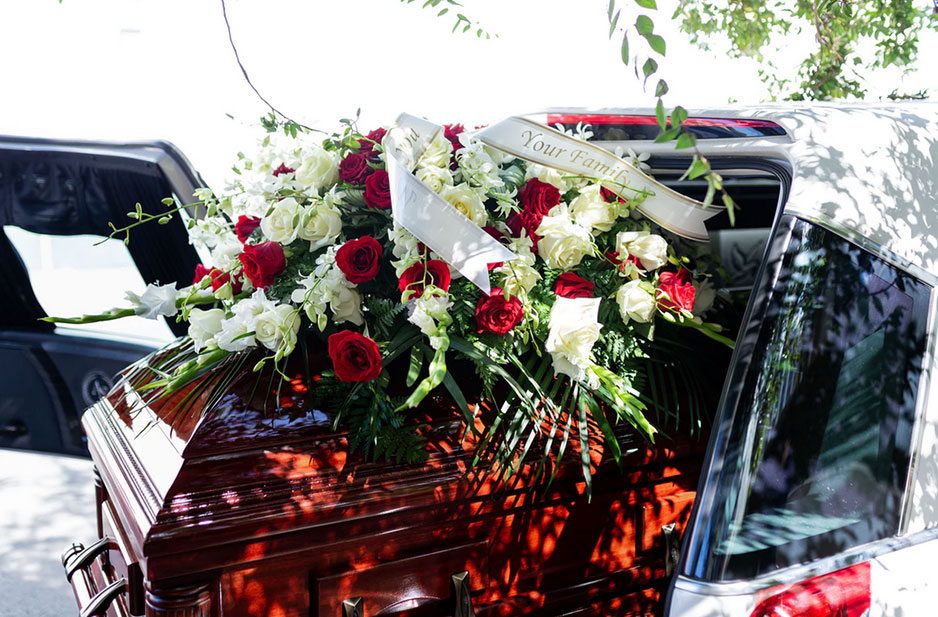
With things that are often talked about now almost passé, the one thing at the top o the list is the virtue of deaths – and the process after.

Although the death-count for Covid-19 cases in the country is a comparatively low number of 16, the ban on public gatherings means that private burials are still allowed, but with no more than 25 people present.

So, funeral services in the country has gone ‘hi-tech’ with proceedings now being streamed online. Which means dress-restrictions are not paramount?

But, it has still court reaction, with one Ghanaian journalist, Elisabeth Ohene, saying: “I joined a funeral online recently dressed in a pair of jeans and a T-shirt.

“Nobody attends funerals dressed like that”.

Away from funerals, at the centre of the coronavirus pandemic is the parliamentary election, which is due to take place on December 7.

With Ghanaian elections usually keenly contested, with campaigns often load, chaotic and crowd-centric, delegations leading up to then will need mass overhauls and meticulous preparations.


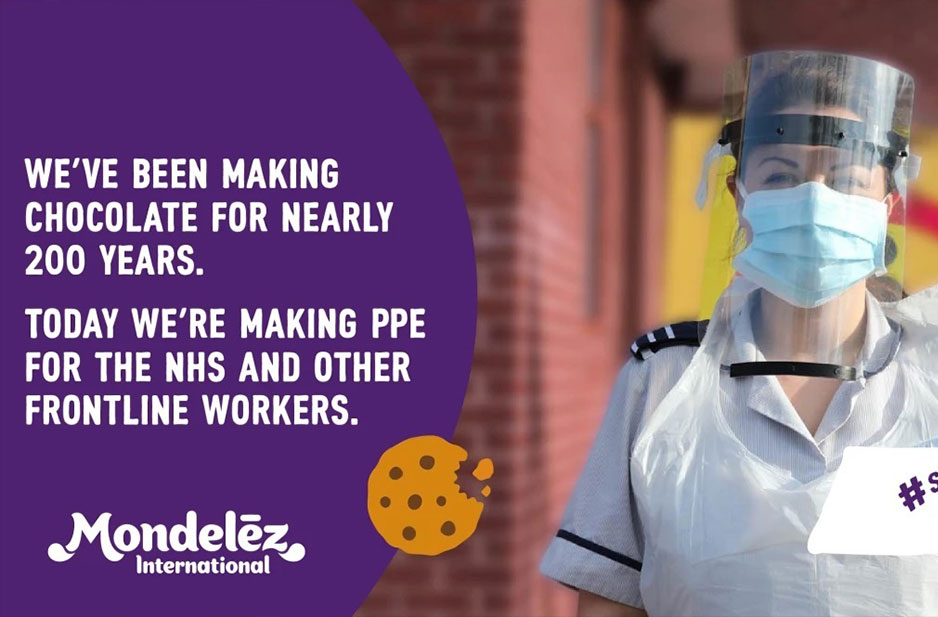
Mondelez International, makers of the UK’s favourite snacks including Cadbury and Oreo, has joined forces with engineering company, 3P Innovation , to help produce thousands o medical visors every day to protect thousands of frontline NHS staff.

The food manufacturer is repurposing its 3D printing technology, which is normally used to make chocolate sculptures at Bournville, the home of Cadbury, to help print the medical visors.

This builds on a fascinating history of Cadbury’s Bournville factory stepping in to help the nation in times of need, having set up Bounville Utilities Limited in the 1940s to make gas masks, jerricans, service respirators and aeroplane parts for Spitfires and Lancaster Bombers during World War II.

3P launched an industry-wide initiative to bring together businesses and individuals who can help produce, assemble and distribute the visors to hospitals, doctors’ surgeries and clinics across the UK.

Mondelez is helping to produce the hard-plastic bands which connect the top and bottom of the visor. It has also invested money into the project so 3P can buy injection mould technology, which will mean that the visors can be mass produced.

3P have already delivered the first visors to a Warwickshire NHS clinic and will be scaling up their operations, with the aim of making and delivering up to 10,000 units every week.

Louise Stigant, UK MD at Mondelez International, said: “The NHS and other essential frontline services are doing an incredible job and we want to help them wherever we can.

“I am extremely proud that our research and food engineering teams have come up with a creative way to repurpose our chocolate making skills and technology, so we can make and print parts for the medical visors.

“By working in partnership with 3P and other businesses we can scale our operations and help protect those who are working so hard to protect us and beat coronavirus”.

The Managing Director at 3D innovation, Tom Bailey, said: “We have now set up the production line and the finished products are on their way to end users.

“Thanks to the generous support from Mondelez, we have purchased an injection mould tool which is set to make a huge difference to the volumes we can produce. We are now looking for on-going funding, which is essential to make sure we can continue to purchase components and run the production line”.

3P is appealing for other manufacturers and businesses with 3D printing technology and logistics services to support, so that they can continue to make and supply the medical visors to more NHS workers and other frontline services such as care homes and prison staff.

Mondelez is also contributing over £2million in the UK to help local communities, charities, food-banks and people working in the NHS and other frontline services.




Newly released data from the NHS has revealed the ethnic breakdown of the patents at hospitals in London who have died from coronavirus.

Black people living in the city account for 15% of its population, but take-up 16% of those who have died from the Covid-19 virus.

Epidemiologist, Dr Shikta Das, said that there was a high rate of BAME people among front line workers, who were exposed to the greater risk.

But she did say that it was difficult to draw conclusions as data that may be needed to be more specific to areas of London.

The UK’s capital has seen nearly 5,000 deaths that were linked to the virus.

NHS analysis has shown a disproportionate number of Black people had died from coronavirus in London.

Dr Dass said that she believed that one factor for the disproportionality was that people from a BAME background were over-represented in many key working industries and were at a greater risk of becoming infected.

She said: “Twenty per cent of NHS workers are from a BAME background – with forty-four per cent of doctors. In this group there is a doctor, nurse, technician, bus driver, shelf-stacker and care worker. All of these groups tend to be more exposed to Covid-19 directly.

“The more exposure you have, the more lethal the dosage is. So, it’s no surprise that these people are dying”.

A Public Health England spokesperson said that there was evidence to suggest that coronavirus was having a disproportionate impact on Black and Minority Ethnic people.

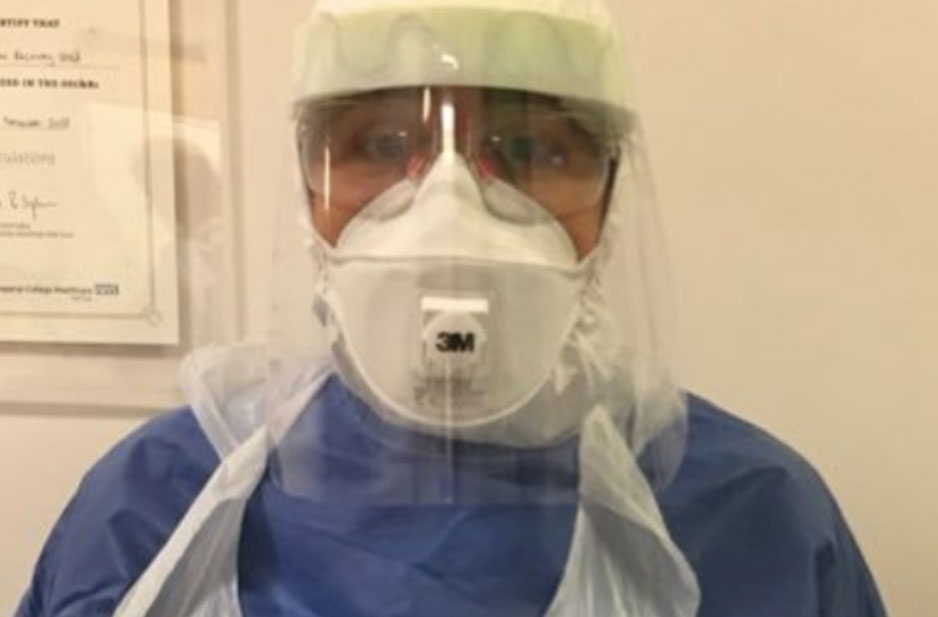
There is a growing concern that standard personal protective equipment (PPE), which often has a unisex design, does not always be fit for women properly.

PPE is essential for protecting frontline workers who are exposed to coronavirus.

The Department of Health (DoH) said that the kit is designed to protect “both gendres”.

However, healthcare workers are saying that even the smaller sizes are often too big for some women – who make up 77% of the National Health Service (NHS) workforce, according to NHS Digital figures from 2018.

If it is too big it can be less effective in providing a complete barrier to the virus.

In a statement the DoH said: “Some products are available in different sizes to enable it to fit both small and large frames”.

However, the Royal College of Nurses described “one-size-fits-all” PPE as “problematic and restrictive” when it can be worn for up to 12 hours during shifts.

Some female NHS workers have taken to social media to share photos of themselves wearing badly fitting PPE.

It is nutrient especially important for the health of immune systems leaving people to wonder whether vitamin D may help reduce the risk of contracting the coronavirus that causes Covid-19.

It’s important to note that there’s no cure for Covid-19 and no known prevention measures apart from social distancing, proper hygiene practices.

That said, some research show that having healthy levels of vitamin D supplement can help to keep the immune system healthy and may protect against respiratory illness in general.

With the virus counting for well over 100,000 cases in the UK alone, the one abiding fact is the disproportionate level of people who are affected are from a Black, Asian or Minority Ethnic (BAME) background.

Figures showed that whilst accounting for 13% of the population, people from a BAME background make up 35% of coronavirus cases in intensive care and 70% of fatalities from frontline medical staff. Figure further showed that when the number of Covid-19 deaths reached over 13,000, of those over 19% were BAME.

Dr Alison Tedstone, chief nutritionist at Public Health England, said: “People with a vitamin D deficiency (including: people with dark skin, from African, African-Caribbean and South Asian background) should take a supplement all year round”, in order to protect musculoskeletal.

Generated from the exposure of sunlight, vitamin D – otherwise known as the ‘sunshine vitamin’ – is crucial to the immune system, as well as healthy bones, muscles and teeth.


With nearly three quarters of the coronavirus deaths by staff employed in the NHS and social care sectors coming from a BAME (Black, Asian and Minority Ethnic) background, public data has also revealed that 19% of patients to die in England are from an ethnic or mixed-heritage background.

Dr Habib Naqvior, the NHS Director for Workforce Race & Equality, said: “With the fact that a high percentage of staff dying from this pandemic coming from a Black and Ethnic background is proving very worrying for us.

“This is proving to be very challenging for us but we very much need to rise to the challenge.

“What we need to do is look at what we can do by way of putting the right things in place right now to support our staff”.

Shadow Equalities Secretary, Marsha de Cordova, has called for the government to “urgently investigate why people from a BAME background are far more vulnerable to the virus”.

This follows the chair of the BMA (British Medical Association), Dr Chaand Nagpaul CBE, saying the first ten doctors named as having died from Covid-19 were all from BAME communities.

He called it “hugely disturbing and extremely worrying”.

The Chief Medical Officer in England, Chris Whitty, said that it is critical that we find out which ethnic groups are most at risk.

“It remains unclear why some ethnic groups appear to be more vulnerable”, he said.

“I have had discussions with leading scientists on this matter by way of teasing this apart”.

A minute’s silence was observed across the UK to remember key workers whose deaths were linked to the coronavirus pandemic.

Taking place outside hospitals, care homes and health centres, it was held to coincide with International Workers Memorial Day.

Unison, the Royal College of Midwives and the Royal College of Nurces launched the campaign so that the nation could take a moment to honour frontline staff who have died during the Covid-19 pandemic.

Between them, the organisations represent over a million NHS and public service workers including porters, refuse workers and care staff.

Dame Donna Kinnair, the chief executive and general secretary of the Royal College of Nurses, said: “I was heartened to hear how many people took part in the minute’s silence to honour the memory of staff that has tragically died during the coronavirus pandemic.

“We thought that it was important to pay a public tribute to all of those who have lost their lives to the pandemic.

“I am immensely proud that so many people took the time to pay their tribute”.

She then issued a call out for protection of workers, saying that the death toll must not be allowed to rise further.

NHS doctors have been warned to look out for a rare but dangerous reaction in children that may be linked to Covid-19 infection.

An urgent alert sent out to GPs said that intensive care departments in London and other parts of the United Kingdom have been treating severely ill children with unusual symptoms which include “multi-system inflammation” with flu-like symptoms.

Some, but not all, tested positive for coronavirus.

It is unclear how many children have been diagnosed with the new syndrome, although the number is expected to be low.

The alert, which was issued by NHS England, said that there was a growing concern that a coronavirus-related inflammatory syndrome is immerging in children in the UK or that there may be another, as yet unidentified, infection linked to these cases.

Dr Nazima Pathen, a consultant in Paediatric Intensive Care, in Cambridge, said that colleagues in Spain and Italy had been reporting similar cases: “Some of the children have presented with a septic shock type illness and rashes – the kind of presentation we would expect to see in toxic shock syndrome and Kawasaki disease (which affects blood vessels and the heart).

“Overall, children seem to be more resilient to serious lung infection following exposure to coronavirus, and the numbers admitted into Intensive Care Units are relatively low.

NHS England said that it knew of fewer than 20 such cases in the country where an association has been noted by clinicians.

A spokesperson said that investigations will continue, but no link has yet been established.

The Royal College of Paediatrics and Child Health (RCPCH) said parents should be reassured by this, but if they are concerned about their children’s health for any reason, they should seek help from a health professional.

An Indian takeaway owner is giving away hundreds of meals to hospital. staff in memory of his baby son.

Adam Hussain, from Warwick, was diagnosed with pulmonary hypertension when he was only two weeks old and died from influenza in 20217, aged 11 months.

Baabzi Miah said that he had “not forgotten the care” that his family had received at “our most challenging time”.

He is also raising money for an NHS charity and is also giving away meals to a homeless organisation.

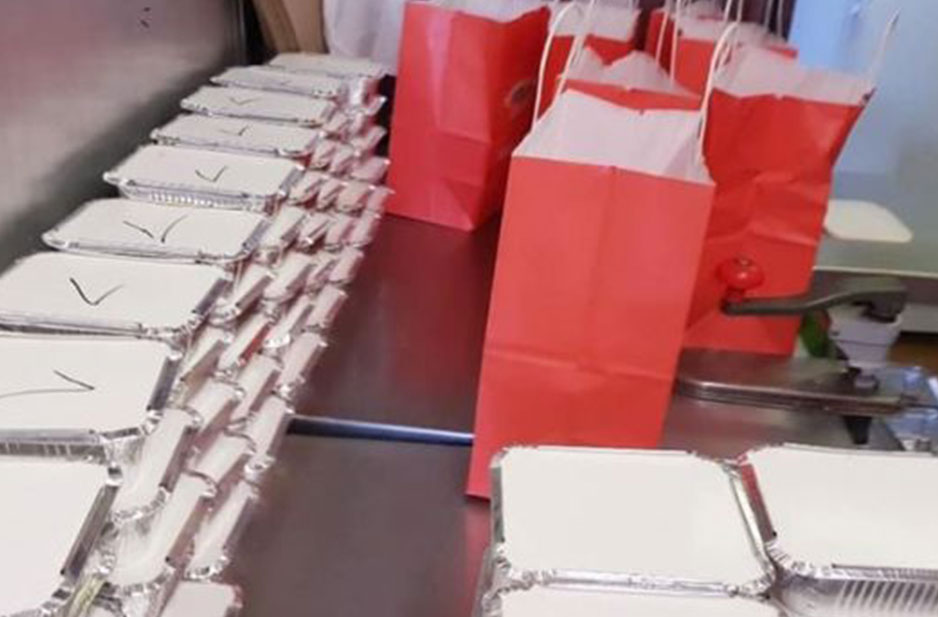
Mr Miah is now delivering 200 meals a week to the nearby Warwick Hospital, as well as delivering a similar number to Helping Hands in Leamington Spa, which supports homeless and vulnerable people.

He said: “Adam was initially cared for at Heartlands Hospital in Birmingham, before being referred for treatment at Birmingham Children’s Hospital and Great Ormond Street Hospital”.

He appeared to be in recovery, but his condition declined dramatically before, as Mr Miah said; “he passed away after a very brave battle”.

Baabzi added: “You never when you, a loved one, or a friend will need the care, medical attention and the sacrifice of a front-line worker.

He said that he hopes that the gesture would make Adam proud.

Baabzi Takeawy is also delivering to paying customers with the aim of raising £10,000 for the NHS Covid-19 Urgent Appeal through an online crowdfunding page.


Premier League club, Aston Villa, have allowed their ground to provide maternity care support during the Covid-19 pandemic.

After it was said that expecting parents were feeling anxious about going into hospitals, midwives from the Sandwell and West Birmingham Hospital Trust will be based in the North Stand, at the club’s Villa Park stadium, along with support workers.

The Trust said that “the ground was un a perfect position for clinics”.

Meanwhile, Aston Villa’s first-team players, coaching staff and senior management team will defer 25% of their wages for up to four months to help the club ease the financial impact caused by the pandemic, while non-playing staff will be retained and paid, in full, during the lockdown.

The Premier League club say that they will not make use of the government’s furlough scheme.

Chief Executive, Christian Purslow, said: “Our players and staff feel great solidarity with the many clubs in the football pyramid who have financial problems”.

The club’s Head of Foundation and Community Partnerships, Guy Rippon, said: “The club is delighted to be able to help our local NHS hospitals”.

Across the region, fellow West Midlands club, West Bromwich Albion, is reported to be using their Hawthorns stadium for antenatal and postnatal care.

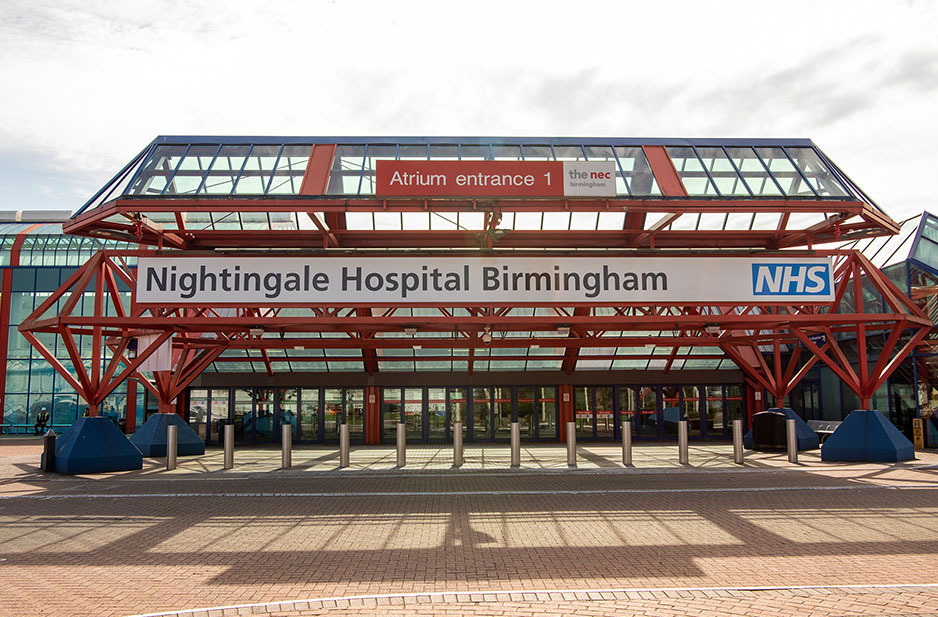
With it only recently being opened by the Duke of Cambridge Prince William, the Birmingham Nightingale Hospital is said to “not being used at all” since.

Having been set up inside the National Exhibition Centre on the outskirts of the city, the site was set up to take up to 5,000 coronavirus patients at a time from 23 hospitals in the Midlands.

Dr David Rosser, the chief executive of University Hospitals Birmingham NHS Foundation Trust said that it was “a good thing that the hospital had not received any patients.

“It shows that the NHS has absorbed the extra pressure”.

The temporary site, near Birmingham International Airport, has 70,000 square feet of floor space to provide extra capacity whilst easing the pressure on services dealing with the coronavirus pandemic

Home tests for coronavirus should be available to NHS staff throughout the UK “very soon”, according to the government’s testing co-ordinate.

Professor John Newton acknowledged that health and care workers have struggled to access testing sites. The government said that a “lack of demand”, rather than capacity was the deciding factor behind the slow growth in testing numbers.

But the British Medical Association (BMA), the Royal College of Nurses (RCN) ans UNISON have challenged this.

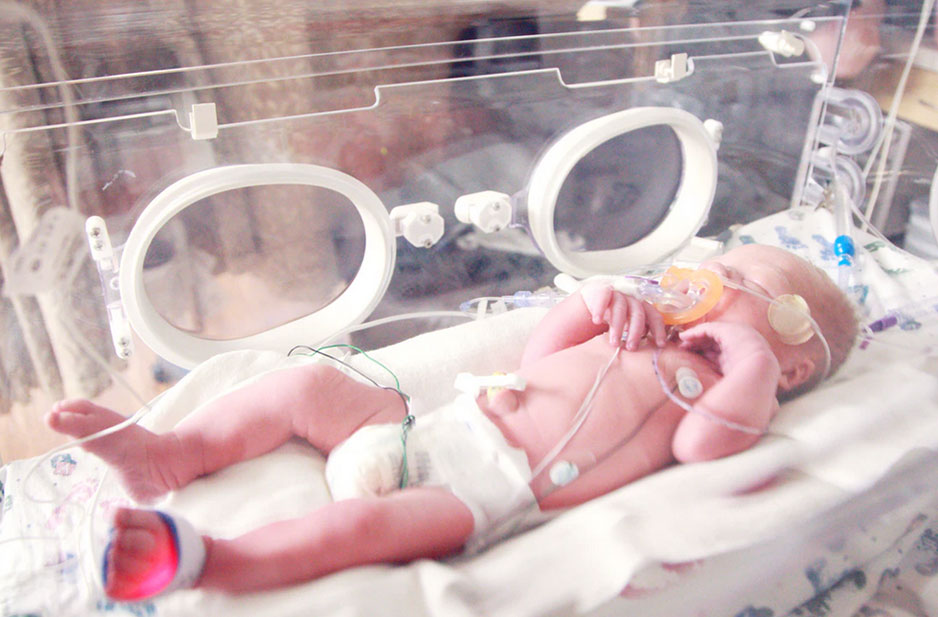
On the positive side of the world crisis is the story of the tiny premature baby who fought off coronavirus.

Mother of the baby, Tracy Maguire, remembered the moment when she saw doctors insert a swab into her three-week-old baby’s nose to test for Covid-19.

The new mother recalled the harrowing moment, saying: “It was one of the worsed things that I have ever seen.

“It was the first time I had seen my baby cry tears”.

She continued: “I held her and then I was crying. We were just trying to get each other through this trying, emotional situation”.

Born premature at just 2id 5oz (1.5kg), baby Peylon was diagnosed with coronavirus at just three weeks old.

Sir Simon McDonald, a Foreign Office civil servant, said that he was wrong to claim that the UK took a 2political decision” not to join an EU scheme to source medical equipment after telling MPs that ministers were briefed on “what was on offer” but said “no”.

He, however, retracted his comment saying he had “wrongly told MPs” that ministers had been briefed on the scheme.

McDonald later said that the UK did not receive an invitation to join the scheme because of, it was said, “communication problems”.

Warwickshire County Cricket Club has donated its Edgbaston Stadium to the Department of Health and Social Care to create a drive-through COVID-19 testing station, which is used to regularly test NHS staff who are working in Birmingham and the wider West Midlands region.

Beginning operations, the NHS staff testing centre is positioned within Edgbaston’s main on-site car park with NHS staff driving in through the Edgbaston Road entrance, to be tested while remaining in their vehicle and exit the grounds onto Pershore Road.

Neil Snowball, Chief Executive of Warwickshire CCC, said: “With our county cricket programme and conference & events business closed until 29 May, our staff were exploring various options which enable the club to keep supporting our local community during these difficult times, whether that be through making calls to our elderly members and ex-players, volunteering and by offering Edgbaston Stadium for use in the wider civil contingency effort.

“Whilst it is a small part to play in the grand scheme of things, we are pleased that our stadium can be utilised to support the fantastic efforts being made by all of our NHS staff in response to the coronavirus crisis.

“We are also very grateful for the support that we have received in delivering this project from Patrizia and Homes England, our development partners”

The NHS staff COVID-19 testing station will remain at Edgbaston Stadium until further notice to support the measures that have been implemented by the Government to counter the virus.

Warwickshire CCC has also outlined plans to show thanks to the NHS by providing free entry to its staff at a Birmingham Bears fixture later this summer.

Details of this will be revealed as further information about the 2020 season and schedule are released.


After weeks of pressure, a review into why people from ethnic minorities are “disturbingly” and by coronavirus has been launched by the Government. 

Downing Street confirmed that the NHS and Public Health England will lead the review of evidence concerning the impact on people Black, Asian and minority ethnic (BAME) backgrounds.

The concerns come despite people from a BAME background only accounting for 13pc of the population in England and Wales, 44pc of NHS doctors and 24pc of nurses are from a BAME background.

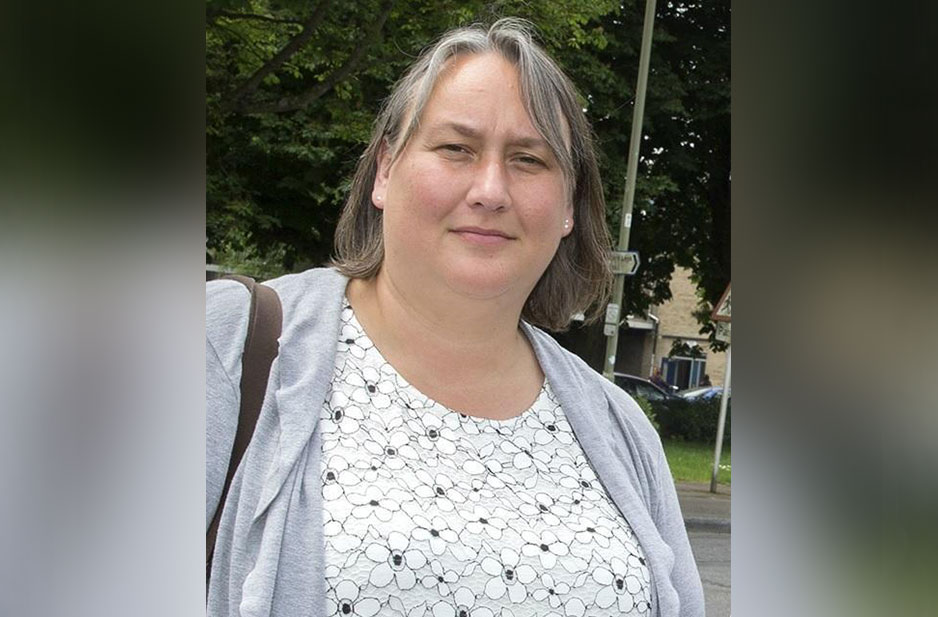
Councillor Linda Smith, the Deputy Leader of Oxford City Council, was one who expressed concern by contacting the Health Secretary Matt Hancock to highlight the "disproportionate" impact on BAME communities.

This came following the Intensive Care National Audit and Research Centre (ICNARC) finding that 34% of critically ill coronavirus patients in England, Wales and Northern Ireland were from Black or minority ethnic backgrounds.

Ms Smith wrote: ‘We would like some reassurance about what urgent monitoring is being conducted into why this is happening [and] what is being done to ensure the protection of all citizens but particularly any who are especially vulnerable, for instance through their frontline work with patients infected with Covid-19’.

She said that the "disproportionate ratio" of BAME communities being affected by Covid-19 was "particularly apparent amongst NHS staff and care-givers who have lost their lives".

Ms Smith also said residents had raised concerns that supplies of PPE "may not be sufficient" to "those working in social care, primary care, as well as non-clinical and outsourced staff in hospitals".

Leaked emails have revealed that a number of protective gowns and masks could be reused by health workers under "last resort" Public Health England (PHE) plans to preserve stocks.

The British Medical Association said that it "underlines the urgency" of protective equipment shortages but PHE said no decisions had been made.

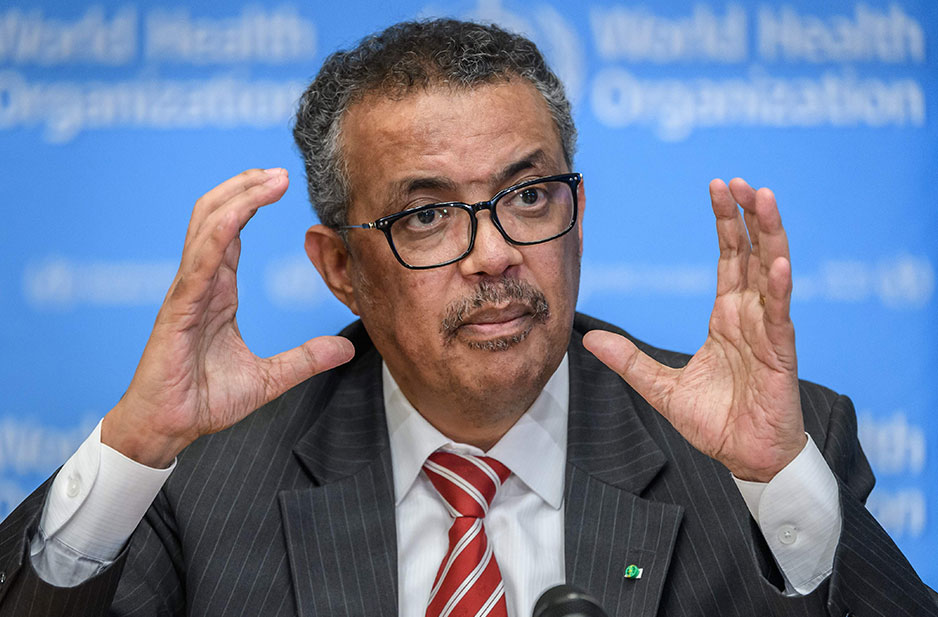
Meet Dr Tedros Adhanom Ghebreyesus, the man who is currently taking the lead as Director General at WHO (World Health Organization).

Dr Tedros is an Ethiopian health scholar and microbiologist with first-hand experience in research, operations, and leadership in emergency responses to epidemics.

He became Director General of WHO in July 2017, and is the first Black person to ever serve in this role. He has formally served as both the Minister of Health and Minister of Foreign Affairs in Ethiopia.

Immediately after taking office at WHO, Dr Tedros outlined five key priorities for the agency: universal health coverage; health emergencies; women’s, children’s and adolescents’ health; health impacts of climate and environmental change; and a transformed WHO.

When the coronavirus global pandemic began in December 2019, Dr Tedros and his team were the ones who named the virus COVID-19 and immediately began helping build countries' capacity to prepare and respond. He has been credited with providing accurate information and fight the infodemic, training and mobilizing health workers, and accelerating research and development.

Dr. Tedros has also been credited with bringing together scientists, public health decision-makers, medical journalists, technology and social media platforms and civil society to help share reliable information, while reducing misinformation, rumours and myths about COVID-19.