Colors: Purple Color

NHS Birmingham and Solihull Clinical Commissioning Group (CCG) is advising members of the public to stay at home and self-treat if they get norovirus, as cases of one of the most common stomach bugs are being seen in the community. Doctors suggest that people who get norovirus stay at home, get plenty of rest, stay hydrated and eat plain foods to help fight off the bug.

Members of the public should also take the following action to help stop the spread of the virus:

  • Stay off work or school until at least 48 hours after the symptoms have passed.
  • Do not visit anyone at hospital while you are still contagious.
  • Wash your hands frequently and thoroughly with soap and water, particularly after using the toilet and before preparing food. Don't rely on alcohol hand gels, as they do not kill the virus.
  • Disinfect any surfaces or objects that could be contaminated. It's best to use a bleach-based household cleaner.
  • Wash any items of clothing or bedding that could have become contaminated separately on a hot wash to ensure the virus is killed.
  • Don't share towels and flannels.
  • Flush away any infected poo or vomit in the toilet and clean the surrounding area.
  • Avoid eating raw, unwashed produce.


Dr Richard Mendelsohn, Chief Medical Officer at NHS Birmingham and Solihull CCG said ‘’Norovirus affects between 600,000 and 1 million people each year and it’s vital that members of the public work with us to prevent the spread of the disease.  The message is to stay at home, make sure you have a well-stocked medicine cabinet and call NHS 111 if you are concerned and need further advice.’’

For more information on how to stay well this winter visit www.nhs.uk/staywell.

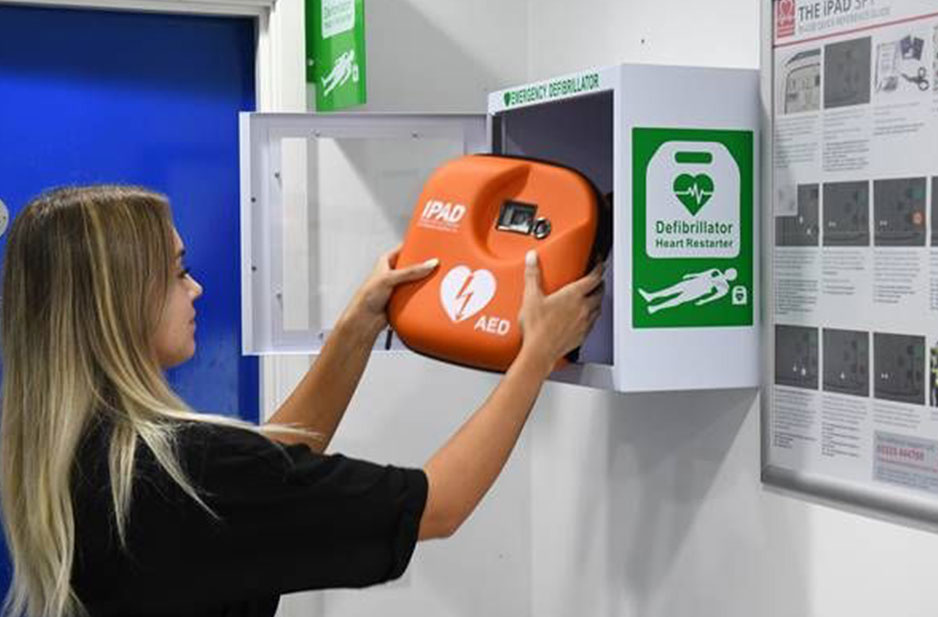
Powered Access Hire firm Nationwide Platforms have announced that it has recently completed the purchase and installation of a defibrillator at their Birmingham depot.

The site it just one of the company's business sites equipped with a life-saving defibrillator, with a further 37 premises and communities across the UK also benefiting from the investment.

Registered with the Ambulance Services, the devices are available for use in the event of an emergency by both employees and the general public in the immediate vicinity.

In the UK there are approximately 60,000 out of hospital cardiac arrests per year. Of these, the Ambulance Service attempts resuscitation in approximately 28,000 cases only, as the person is often beyond resuscitation by the time they arrive. The only definitive treatment against serious cardiac arrest is the life-saving shock from a defibrillator. Pairing this with effective CPR can increase a victim's chance of survival from 6 per cent to 74 per cent if delivered within the first 3-5 min of collapse.

Health, Safety and Environmental Director, Mark Keily said: "Putting people's safety first is at the very heart of Nationwide Platforms and nothing could be more important than the health and wellbeing of the people that operate within our business. The roll out of these defibrillators really could mean the difference between life and death.

We found that some of our company sites are more than 6 miles away from the nearest potentially lifesaving defibrillators. And with the closest Accident and Emergency facilities sometimes more than 10 miles away, closing the gap on defibrillator locations not just for our employee's but also the communities we operate in could only ever be a good thing."

He added: "The defibrillators are within easy access for public use and we have also trained designated employees at all of our sites in the hope that should someone suffer a cardiac arrest we're doing our very best to significantly improve their chances of survival."

With concerns growing over the rising rates of self-harm among Black women, the alarming invisibility of older Black women experiencing mental illness has inspired ‘Close to the Edge’, a new play to be showcased tomorrow (December 6) at Thimblemill Library, Smethwick, in the West Midlands.

Written and directed by Viv Manjaro of Planet Arts and co-produced by Red Earth Collective co-founder Sandra Griffiths 'Close to the Edge' explores the limited opportunities available to older Black women in Britain and its detrimental impact on their mental wellbeing.

Through the central character Francesca (played by Sharon Jones), the comedy-drama explores trauma, highlights coping strategies for survival and how to rise above adversity when your mental stability is threatened.

Studies show that post traumatic syndrome is higher in Black women, related to the higher levels of sexual assaults that they experience.

However, Black women are less likely to report or seek help for assaults or trauma. Also, Black women have the highest rates of depression but are least likely to seek and receive treatment, and are more likely to demonstrate maladaptive coping in response to depression, such as self-harm and obesity.

Viv says: “Close to the Edge is about Black women in crisis. Many of us put on the mask of the strong Black woman as we step out of the door as a way of holding it together. But behind closed doors some of us fall apart. Francesca, the play’s main character, appears to be falling apart but she manages to pull her life back from the brink by developing different coping strategies, which I used when I was close to the edge. Taking off the mask and letting go can be scary, but I want women to know that there is help out there and that many of us have walked this path - and survived.”

Director of undergraduate journalism courses at Birmingham City University, and winner of the Journalist of the Year Mind Media Awards 2019, Marverine Cole, said: “As a woman of Caribbean heritage who has experienced periods of depression, I produced and presented a documentary for BBC Radio 4 called ‘Black Girls Don’t Cry’ about this very topic.

“Black women in Britain are more likely to be diagnosed with more common mental health problems than white women and face the ‘strong Black woman’ stereotype that prevents some women from seeking support for their mental health. Much of the debate around mental health outcomes focuses on Black men and leaves the views and experiences of Black women invisible.”

Alicia Spence, director of services at the African Caribbean Community Initiative (ACCI), said: “The Black mental health agenda has been dominated by the lived experiences of Black men for a long time. Yet Black women are the foundation of the community, often working as unpaid carers.

“When Black women go under, so does the family and the community.

“We are noticing that older Black women in faith communities feel unable to express when they are feeling stressed, or even grieving, at their church.

They believe that they are expected to manage everything and to leave the pain and stress ‘with the Lord‘.

“‘Close to the Edge’ will allow us to have an urgent discussion, which will hopefully lead to action.”

Sandra Griffiths added: “Older Black women’s lives aren’t of interest to politicians, the media or policymakers.

“When they do appear in research, it’s in relation to the ‘strong Black woman’ stereotype; warrior women who can cope with anything life throws at them. We want the play to encourage older Black women to talk about their mental health and we want policymakers, commissioners and the community to listen to them because Black women’s mental health matters too.”

Funded by Arts Council England, ‘Close to the Edge’ brings together a team of older Black women who have experienced emotional distress and draws on their personal experience of self-care and coping strategies.

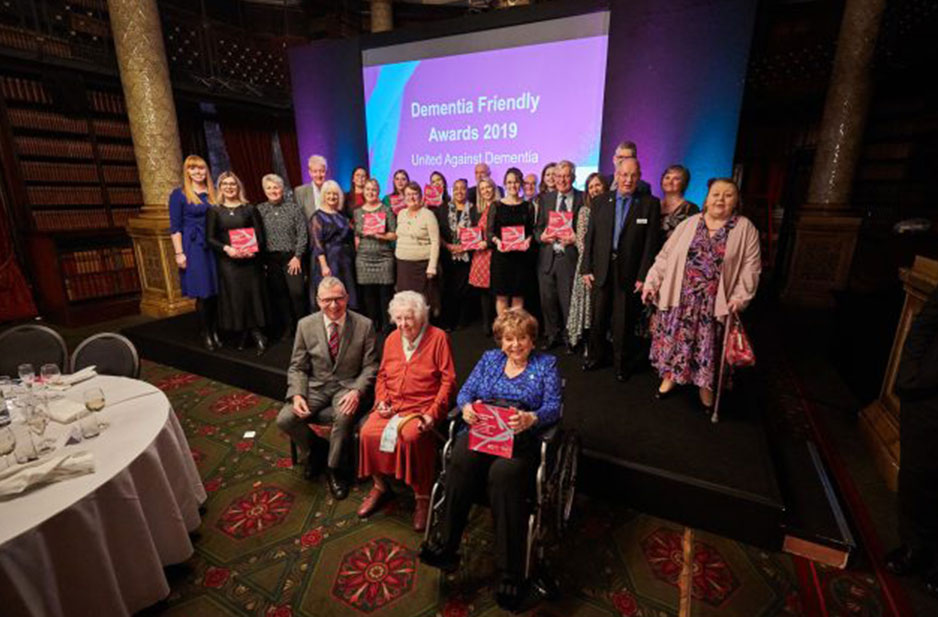
HSBC UK has won a National Dementia Friendly Award in the category ‘Dementia Friendly Organisation of the Year – Large Category’.

The Birmingham-based winners were announced at the prestigious awards ceremony that took place in London, where Sun journalist and Loose Women panellist, Jane Moore, hosted the ceremony.

HSBC was one of three finalists in the category ‘Dementia Friendly Organisation of the Year – Large’. This award, open to all businesses and organisations including leisure, tourism, the arts, emergency services, finance, health and social care, recognises an organisation that has implemented a dementia friendly initiative.

HSBC – one of the world’s largest banks serving 14.5 million customers in the UK – partnered with Alzheimer’s Society for three years between 2016 and 2019. HSBC engaged teams from across the bank to implement dementia friendly initiatives including the Customer Support team and Customer Care Needs team to support customers with dementia.

Anna Inman, Customer Experience Manager at HSBC UK in Birmingham, collected the award. Anna said: “It feels incredible to have won the Dementia Friendly Organisation of the Year – Large Category Award. We are so delighted to have won the award. Anyone thinking of nominating a person or a group or an organisation for a Dementia Friendly Award I’d say just go for it.”

HSBC wanted to become a Dementia Friendly business so through focus groups with people living with dementia and awareness sessions such as Dementia Friends training, HSBC formed a greater understanding of how they could improve their services and the way they communicate with customers living with dementia, with key feedback including, ‘I don’t want to have to keep repeating my needs’, ‘Give me more time’ and ‘Get to know me as an individual’.

Dementia is the 21st century’s biggest killer. Someone develops the condition every three minutes – but too many face it alone. Alzheimer’s Society’s 2019 Dementia Friendly Awards recognise, celebrate and promote the inspirational achievements of those uniting to making a real difference to people living with dementia.

Awards host, TV presenter and journalist, Jane Moore, said: “I’m delighted to have hosted this year’s Dementia Friendly Awards 2019 in London. This year’s awards celebrated individuals, organisations and communities leading and inspiring a change that will transform the lives of people living with dementia across the country forever, challenging misunderstandings, changing attitudes and taking action. My own mother-in-law had dementia so I understand what a heart-breaking condition it can be, stripping people of their memories. All of the winners and nominees have done incredible and inspiring work to help people living with dementia and they should all be incredibly proud.”

Jeremy Hughes, Alzheimer’s Society CEO, said: “It is amazing that HSBC UK has won the Dementia Friendly Organisation of the Year – Large Category Award and it is a testament to their tremendous dementia-friendly work.

“The level of nominations received this year was truly phenomenal and there were some exceptional stories heard at the awards ceremony. There are over 441 Alzheimer’s Society Dementia Friendly Communities across England, Wales and Northern Ireland ensuring people with dementia are empowered to live a life they. All the finalists and winners at the Dementia Friendly Awards have demonstrated how we can unite against dementia and support those affected by the condition.”

This year there were ten awards in categories for Trailblazer of the Year, Dementia Friendly Community, Dementia Friends Champion, Dementia Friendly Organisation (Small/Medium), Dementia Friendly Organisation (Large), Inspiring Young Person, Youth Organisation, Championing Diversity and 40th Anniversary - Lifetime Achievement.

According to research1 conducted by the health and wellness booking app, MINDBODY, over half (55%) of those who exercise frequently say they are least motivated to exercise during winter.

Leading UK Sports Performance Mind Coach Nick Davies explains: "Winter is that time of year where temperatures get a lot colder and we get a lot less sunshine. This can lead to low mood in some people and a desire to curl up in the warmth of our own homes, meaning the likelihood of going to the gym is a lot less than in warmer months.”

With these figures in mind, MINDBODY has shared five simple tips to help beat the seasonal slump this year, to keep you on track to meet your health and wellness-related goals.

1. The perfect playlist

Whether you’re struggling to find the motivation to hit your fitness goals, or you’re in need of a little energy boost mid-cardio, the right music could be the missing ingredient in your workout.

Professor Andy Lane, Sports Psychologist at The University of Wolverhampton, explains: “Music is excellent for motivation and can definitely help with endurance during exercise. Listening to music can enhance your mood and help divert your attention away from feeling tired or bored which can often arise through the repetitiveness of certain exercises.”

MINDBODY recently curated a playlist in collaboration with leading studios, full of songs that are most likely to increase motivation during a workout:

• Pinnacles - Four Tet • Freaks - Timmy Trumpet • Run boy Run - Woodkid • Rapture – Nadia Ali • Losing It – Fisher • Differentology – Bunji Garlin • Higher Ground – TNGHT • Chameleon – Pnau • Play – Jax Jones • Old Friend – Elderbrook

2. Workout with a friend

Having someone alongside you during a tough workout can go a long way when it comes to motivation. In fact, over a third (34%)3 of gym-goers believe having a partner to workout with increases their motivation and makes them work harder. One in four (24%) even said it improves the effectiveness of their workout.

Moreover, having a workout buddy also holds you accountable for your workouts. After all, you can’t cancel last minute because someone else is relying on you to turn up!

3. Tune your alarm

That early morning alarm is probably up there with the worst sound in the world. But, what if your morning alarm actually made you excited for the day ahead?

Change the boring, painful tune you’re familiar with to something you love. Maybe it’s your favourite song, or music that makes you feel energised. By doing so, you'll wake up with a spring in your step and ready to fit in that early morning workout!

4. Try a new class

From Pilates to Barre, HIIT, Bootcamp and Spin – whatever your fitness goals may be, there will be a class suitable for you.

Not only do most classes take place indoors (so you’ll stay nice and warm), but they are also great for your motivation as you’ll be working out alongside other class participants with an encouraging instructor guiding you through the routine to ensure you’re always hitting your personal best.

5. Recover

If you’re really struggling to find the motivation to work out, then don’t. Instead, focus your attention on rest and recovery, which has a whole host of benefits ranging from injury prevention, to minimising fatigue, and reducing stress.

Rest and recovery doesn’t necessarily mean staying at home doing nothing. According to MINDBODY data, the recovery trends and treatments growing in popularity this year are:

1. Cryotherapy 2. Water Therapy 3. Sports Massage 4. Recovery through Nutrition 5. Restorative/Yin Yoga

Commenting on the research, a spokesperson from MINDBODY, says: “Everyone struggles with their motivation at this time of year, and although it can be difficult, it’s important to remember why you’re on the health/fitness journey, and the goals you want to achieve.

“If you miss a workout, don’t worry, you’re only human! However, take these motivational tips into consideration and start again the following day.”

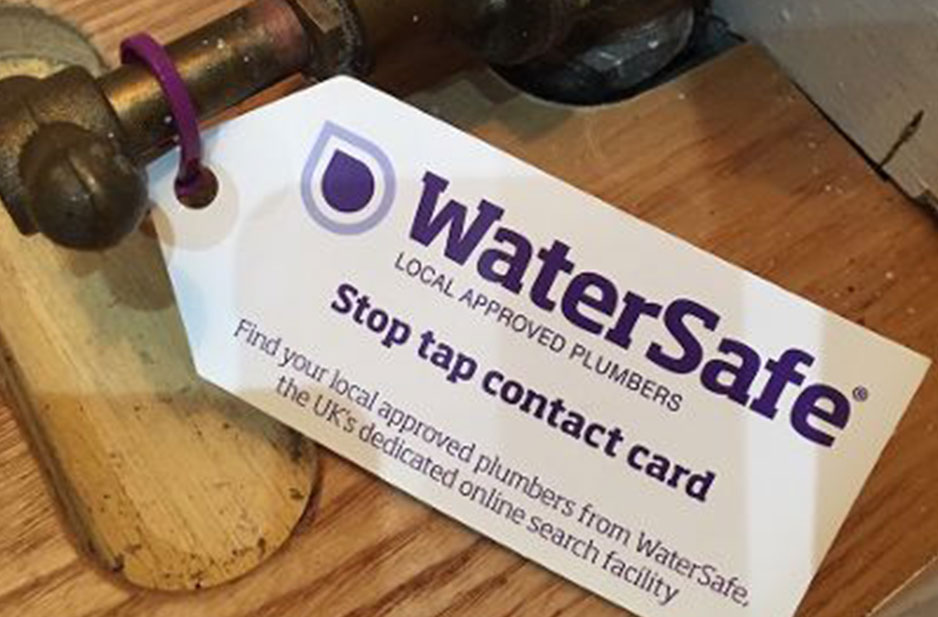
The UK register of approved plumbers, WaterSafe, is urging homeowners to stop, find, check and label their internal stop tap and make this job the top of their ‘to-do’ list this winter.

The internal stop tap will shut off the water supply quickly if pipes burst during a sudden freeze or thaw, which can cause thousands of pounds worth of damage to homes and their contents.

Data from the Association of British Insurers shows that during a spell of freezing weather, a claim to repair a burst pipe costs an average of £8,800 – and can often be more.*

Repair costs can be significantly reduced if the stop tap is used to turn off the water as quickly as possible – so knowing where your stop tap is and checking it regularly to make sure it is working is essential.

The internal stop tap, sometimes also known as a stopcock or stop valve, should be turned clockwise to turn off the water supply. Common places to find it include:

  • Under the kitchen sink
  • Kitchen cupboard
  • Downstairs bathroom or toilet
  • Garage or utility room
  • Cellar
  • Under the stairs.

Property owners are responsible for the internal stop tap so if you can’t locate it or it’s not working, contact an approved plumber for help at watersafe.org.uk.

WaterSafe’s timely advice is supporting the Met Office’s ‘WeatherReady’ campaign, which encourages everyone to think about what they can do to prepare for and cope with severe weather.

Head of Civil Contingencies at the Met Office, Will Lang, said: “As we approach winter, it is important to know where you can access expert advice and guidance to help you prepare for the potential impacts of severe weather. Taking a small amount of time to prepare now can make a big difference in keeping family, friends and neighbours, as well as property and businesses safe throughout the months ahead.”

Julie Spinks, director of WaterSafe, said: “This year we are focussing our winter messaging on one critical piece of advice for households which is take the time to locate the internal stop tap, and importantly, to check that it’s working, in case of a plumbing emergency this winter.

“It’s a good idea to label your stop tap once you’ve located it – and to add the number of a WaterSafe approved plumber in case you need it in a hurry, because the consequences of not doing so and potentially facing the misery of flooding do not bear thinking about.”

Pipes in unheated areas should always be protected against winter temperatures with insulating lagging to help prevent them from freezing and bursting in the first instance.

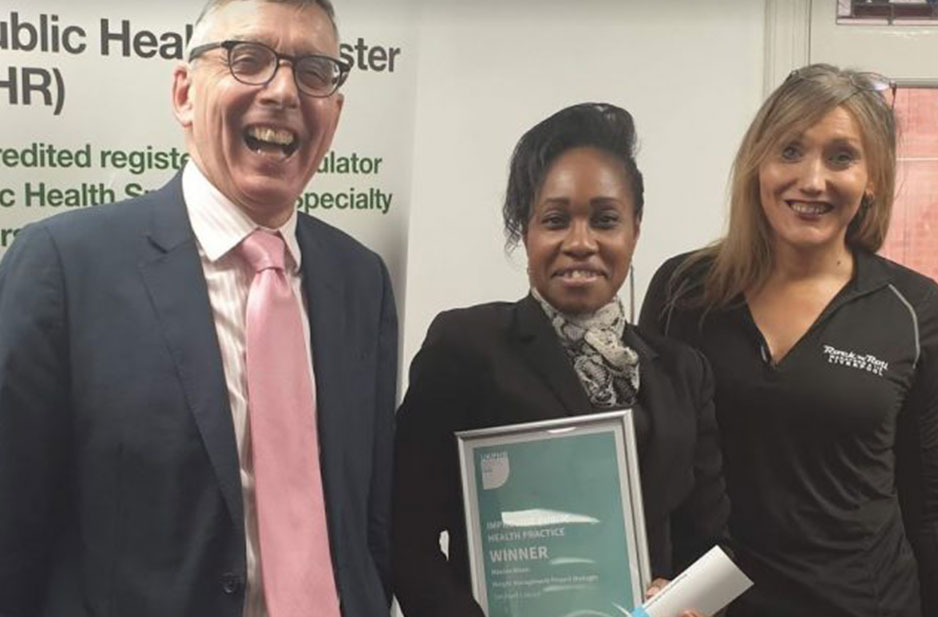
A Sandwell Council employee has won a national award for her working in helping hundreds of people in the borough to lose weight.

Maxine Dixon won the UK Public Health Practitioner Award for Improving Public Health Practice for the council's much-praised Weight2GO programme.

Maxine, who is a weight management project manager in Public Health leads on the Weigh2GO programme which uses a combination of the latest 'smart scale' technology and an online app with good old-fashioned community partnership work.

The programme is run through partners including the voluntary sector, libraries, leisure centres and Sandwell and West Birmingham Hospital which are supported to establish their own bespoke weight management support groups tailored to the needs of the people who use their services.

All of these partners are trained to run the programme effectively and they support their clients with access to the smart scales which allow people to weight themselves independently, receive real-time weight data through their smart phones, and track and monitor their weight through the app.

The programme allows people to be in control of their own weight management plans while harnessing the power of local community groups to offer support.

There are no joining fees, no pricey diet products and no stigma involved in the programme.

Lisa McNally, Sandwell's director of public health, said: "We are proud that our public health employees have won another top award and Maxine has helped so many people on their weight loss journey."

The programme has proven to be popular and Maxine's analysis of the data shows that hundreds of people have engaged with the programme and been successful in achieving  a healthier weight.

Library manager, Jean Fenn, said: Library customers can monitor and access information about their weight and BMI. This is a great weight management tool and it's so easy to use. The scales are used by individuals and groups and are a great addition to our health and well-being resources.

Jenny Wright, health and wellbeing manager for Sandwell and West Birmingham Hospital NHS Trust, said: "The programme has been a huge success with NHS employees and subsequently NHS  staff have encouraged patient groups to participate in the programme through local community groups."

A heartbroken mum who lost her son to deadly meningitis last November has launched a national charity’s Christmas Ribbon Appeal.

Katie Joyce had to take the agonising decision to turn her 4-year-old son Enzo’s life support machine off after scans showed the disease had left the youngster – the happiest and most bubbly boy Katie ever knew – brain dead.

“This will be our second Christmas without Enzo”, she said. “I still ask myself how it could have happened to my family.

“One minute I was at home with my baby thinking he had a simple cold and the next I was being told something no mother should ever hear.”

Katie is supporting charity Meningitis Now’s annual ribbon appeal, which offers everyone the chance to remember their loved ones at Christmas and donate to fight back against the devastating disease. Families affected by meningitis but not bereaved are also invited to support the appeal.

A white ribbon, inscribed with their loved one’s name, is placed on the Tree of Remembrance at Meningitis Now’s annual Christmas concert in Gloucester Cathedral. The family also receives a second white ribbon for their tree at home.

“I know Enzo wouldn’t want me to give up, so we will have presents, we will have a tree and his white ribbon will be on it,” Katie added. “My little boy will always be in my heart.”

Katie added: “After I lost Enzo, Meningitis Now was there for me and my family. They helped us find the strength to carry on.

“In the early days, just having someone there to listen on the end of the line meant so much.

“The ongoing emotional support has been so important to me too.”

Tom Nutt, Meningitis Now’s chief executive, said: “We know that Christmas can be a difficult time as many of us remember those who are no longer with us.

“Meningitis doesn’t respect this special time of year either. Twenty-two families every day throughout the festive period will feel its impact, with some lives being changed forever.

“Please support our Christmas Ribbon Appeal and help us to keep fighting this terrible disease and be there for Katie and other families who need our support, at Christmas-time and throughout the year.”

All donations go towards the charity’s ongoing lifesaving and life-changing work, funding research into vaccines and prevention, raising awareness so people know what to look for and what action to take if they suspect meningitis and rebuilding futures by providing dedicated support to people living with the impact of the disease.

Meningitis Now is working towards a future where no one in the UK loses their life to meningitis and everyone affected gets the support they need.

As part of ‘Occupational Therapy Week 2019’, the Royal College of Occupational Therapists (RCOT) has launched a new campaign, ‘Small Change, Big Impact’, which celebrates how the small changes occupational therapists make can have a big impact on the people they support.

Occupational Therapy Week 2019 is on now (until November 10) and is a national awareness week run by RCOT to promote the value of occupational therapists and the fantastic work that they do across the UK. Taking the campaign as its theme, this year’s Occupational Therapy Week is showcasing and champion the impact of occupational therapy and RCOT members on the lives of service users and the communities they live in.

Across the UK, RCC members will be reflecting on their practice and sharing their stories on our website about how a small change they implemented made a big difference to someone’s life. They will also be holding events, talks with colleagues, the public or their local community and schools, as well as engaging with local media.

The week is not just for RCOT members. Anyone can join in Occupational Therapy Week 2019 and show their support by using the hash-tag #OTWeek2019 and sharing the ‘Small Change, Big Impact’ campaign stories on social media.

RCOT Chief Executive, Julia Scott said: “Every day across the UK, occupational therapists change lives for the better. Occupational Therapy Week 2019 is a fantastic time to celebrate this. The Royal College knows very well how hard our members work and the extent of the difference they make and we want everyone else to know too. I am encouraging everyone to be loud and proud and get involved in the campaign. Share your support for occupational therapists by using the hash-tag #OTWeek2019 and sharing your Small Change, Big Impact stories.

“Sometimes it’s just a small change that’s needed to make a positive difference to someone’s life. We want to hear from members up and down the country about the changes they’re making and the impact they’re achieving. We are asking occupational therapists to share stories with us at the ‘Occupational Therapy Week 2019’ page on our website.

By collecting as many stories as possible, we can better demonstrate the vital importance of occupational therapy on people’s lives and society.”

Nurses from Vaccination UK have returned to schools in Wolverhampton to give pupils their free nasal spray and help them become Flu Fighters.

All primary aged children, from Reception to Year 6, were eligible for the free vaccination this autumn, which is administered via a quick and painless nasal spray.

The popular Flu Fighters campaign, developed by the city’s Council, Wolverhampton Clinical Commissioning Group and the Royal Wolverhampton NHS Trust, returned this year to encourage local children to have their free vaccination. Free copies of this year's exciting tale, Flu Fighters in The Battle of Planet Bogey, along with information about the vaccine and consent forms, are being distributed to all primary-aged pupils across the city.

Councillor Jasbir Jaspal, the council’s Cabinet Member for Public Health and Wellbeing, said: "Vaccinations were scheduled to continue after the half-term holidays; with parents encouraged to make sure to return their consent forms so that theirr children don't miss out on their free vaccine and the able to become Flu Fighters!"

All children from Reception to Year 6 at infant, junior and primary schools, and all children in special schools, were being offered the nasal spray flu vaccination at their school. The vaccine also being available to children aged two and three, and children aged 11 and over with some long-term health conditions, through local GPs.

As well as the vaccination for children, people with long-term health conditions, the over 65s, carers and care staff, people in long-stay residential care homes and pregnant women are also eligible for a free jab through their GP or pharmacist, while everyone else can get the vaccine from many local pharmacies for a small charge.

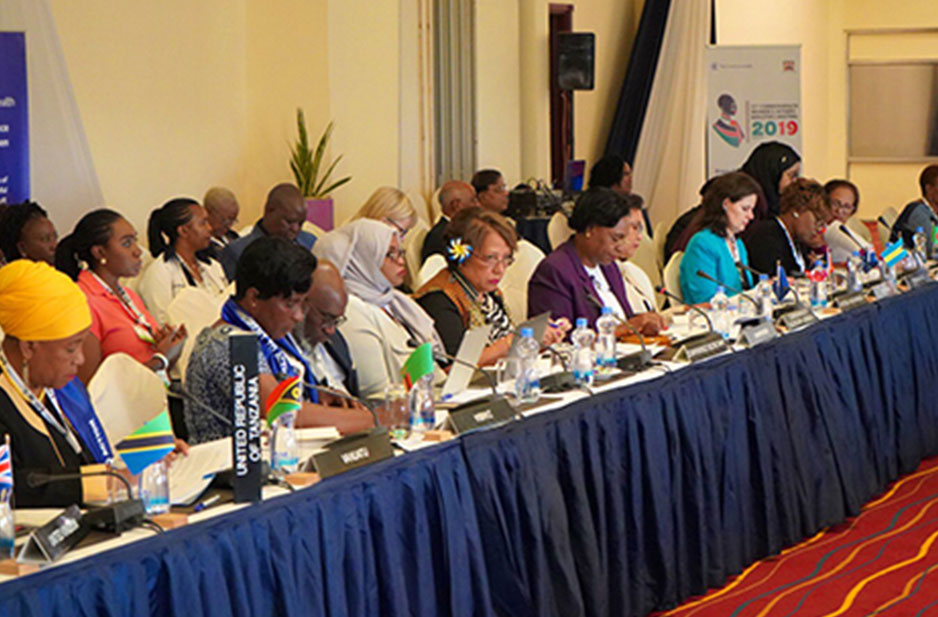
A new Commonwealth paper finds “impressive improvements” in women’s access to maternal health, enrolment in primary school and participation in the workforce.

The technical paper was released at the 12th Women’s Affairs Ministers Meeting in Nairobi, Kenya.

Findings suggest that in the Commonwealth, a girl is as likely to attend primary school as a boy is, and in some countries more so. In the parliaments of 13 Commonwealth countries, 30 per cent or more of members are women.

Against this progress, the paper highlights that persistent gender stereotypes and prejudices in policy making, budgeting and service delivery are disrupting progress.

For instance, only one in five Commonwealth parliamentarians is a woman. Of every 10 girls, only seven attend secondary school. Thirty-two countries do not mandate equal pay for work of equal value.

Following the meeting, Secretary-General Patricia Scotland said: “The paper summarises progress in the Commonwealth priorities for gender equality 2017–20, outlines the continuing obstacles and barriers to achieving women and girls’ empowerment and gender equality in the Commonwealth, and shares good practices from member countries which offer ideas and strategies that other countries may learn from and apply across this unique family of nations.

“The paper also reflects our commitment to ensure that women and girls are regarded as equal partners with men and boys in shaping our common future.”

The Commonwealth undertook the paper to assess and inform ministers on the progress made in 53 member countries in four priority areas: women in leadership, women economic empowerment, ending violence against women and girls, and gender and climate change.

Women in leadership

The Commonwealth average for members of parliament who are women stands at 23 per cent which is still short of the global target of 30 per cent.

The Caribbean and Americas had the regional average of 24.51 per cent, which is relatively high compared to all Commonwealth regions.

Rwanda tops the list and is the only country to achieve gender parity in the Commonwealth. Over 55 per cent of seats are occupied by women in both houses of parliament in the country.

Ten Commonwealth countries have achieved the target of 30 per cent or more women ministers, and Canada currently leads with over 50 per cent.

Women economic empowerment

The paper highlights that longstanding gender gaps in enrolment and achievement in education have been narrowed but the ripple effect has not yet translated into women’s equal participation in the labour force.

The pan-Commonwealth average of female labour force participation is over 56 per cent. Rwanda leads with 86 per cent of women participating in the formal labour force.

Twenty countries do not have legislation on sexual harassment in employment while 23 do not have criminal penalties or civil remedies for sexual harassment in employment.

The paper identifies challenges girls still face transitioning from primary to secondary school, which are largely the cost of education, child marriage or labour, and violence. Ending violence against women and girls

Out of all 53 member countries, 47 have laws against domestic violence; 20 have legislation that explicitly criminalises marital rape; 40 have legislation against sexual harassment; and nine have legislation that offers broad protections for LGBT+ people.

Gender and climate change

The paper emphasises women’s vulnerabilities to climate change including the impact of water and energy shortages on women’s reproductive work, the effect on food security due to drought, floods, etc., access to health services and caring for the sick.

Women are more likely than men to hold jobs vulnerable to climate change, at least 80 per cent of “green jobs” around the world are expected to be in the secondary sectors such as constructions, manufacturing and energy production – industries where women are already underrepresented.

In this context, Secretary-General Patricia Scotland referred to the Commonwealth Gender and Climate Change Working Group, which is part of the Common Earth initiative to encourage the implementation of regenerative models for development. The working group assists member countries with devising integrated national roadmaps for women and women-led efforts to mitigate climate change and support women's health and nutrition, education, and involvement in local decision-making.

The paper calls for closer attention and much more investment to address the inequalities between women and men in all areas of social, civic and economic life. It suggests gender equality will only become reality if it is mainstreamed across the political sphere, public and private sectors, and civil society.

Ministers and senior officials welcomed the paper who agreed that the findings will guide evidence based policy making, implementing and evaluation.


An obstetrician gynaecologist has developed an all-natural laundry detergent designed to thoroughly clean women's panties to help reduce yeast infections.

Based in Atlanta, George, in the USA, Dr Tosha Rogers, a graduate of B.S. in Chemistry, formulated the detergent - Clean and Cute Panty Wash - that is made specifically for women's underwear.

The all-natural laundry detergent came about after Rogers heard a lot of concerns about female hygiene with some of her patients having to deal with bacteria and yeast infection. She found out that one of the main reasons for this is poorly cleansed panties. Even though women are cleaning their panties, the available detergent in the market doesn't really remove the build-up of bacteria, yeast, blood, and mould in panties.

Clean and Cute Panty Wash is the first and only detergent that focuses on female hygiene. It is all-natural, non-GMO, sulphur-free, paraben-free, vegan, animal cruelty-free, and perfume free. It only has 3 all-natural ingredients, one of which is the essential oil lemongrass to make it smell great. Unlike standard detergents, Clean and Cute Panty Wash is designed to remove the bacteria (vaginitis), yeast, blood, and mould that develops in panties once left in the hamper.

She said: “Clean and Cute was developed purely by listening to my patients and trying to solve a problem.

“Many women find themselves dealing with bacteria and yeast. I’ve found that sometimes, the odour is not an infection, but poorly cleansed or soiled panties. It’s not that these ladies aren’t cleaning their panties, but that there’s a build-up of bacteria, yeast, blood, and mould in the panties that isn’t being addressed by standard detergents.

I saw a need and the chemist in me got to creating”.

Dr Rogers also said that a lot of vaginal itching, irritation, swelling, and even worsening ingrown hairs usually caused by the allergic reaction to harsh ingredients of standard detergents could be prevented when Clean and Cute will be used.

The 4th edition of Birmingham’s BEDLAM Arts and Mental Health Festival, one of the largest Festivals of its kind in the UK, is well under way

The 12-day Festival, which runs undil Saturday 12 October, has over 25 events in a range of venues across the city to raise awareness of mental health and well-being through the importance of the arts.

The Festival is brought to the city by organisers Birmingham and Solihull Mental Health NHS Foundation Trust, Birmingham Repertory Theatre, Midlands Arts Centre, Sampad South Asian Arts and new partner, Birmingham-based Geese Theatre Company in consultation with practitioners and those with lived experience of mental health problems.

BEDLAM Arts and Mental Health Festival has welcomed artists from across the UK, as well as home grown talent, who will present an exciting and engaging programme of theatre performances, dance, movement workshops, art installations, wellbeing walks, film screenings, family events, Q&A’s and a special BEDLAM Symposium.

Festival Producer, Sabra Khan said “We’re into our 4th edition in Birmingham and we are very excited to present a diverse and packed programme of events and performances which appeals to all ages and backgrounds. More importantly, we welcome festival-goers to help continue our work to reduce the stigma and encourage debate around mental health”.

Festival-goers can see powerful live performances featuring the world premiere of ‘The Thing’ at Birmingham Repertory Theatre in partnership with Olivier award nominated Les Enfants Terribles; an evening of RnB and Hip Hop from Birmingham’s Red Earth Collective featuring three of the Midlands’ most exciting young R’n’B and Hip-Hop artists Lady Sanity, Call Me Unique and Trademark Blud; Experts By Experience Showcase, an event where people who have experience of accessing mental health services share their journey of recovery and a BEDLAM Showcase featuring four works from a variety of artists and companies performed in just one day.

Opening the festival is London-born Koko Brown opened the Festival bringing her play ‘White’ to Midlands Arts Centre for the first time blending music and spoken word with further highlights to include ‘Rockbottom’ by dancer Stuart Waters, a moving, highly physical and incredibly honest self-portrait of personal struggle with depression and addiction; ‘No Bond So Strong’ a new commission by SAMPAD is a life affirming production about motherhood and holding the family together and, marking World Mental Health Day, Geese Theatre Company present ‘Playing The Game’ featuring a cast of four who take audiences on a journey through a century of maternal incarceration. For art lovers there’s the fascinating ‘State Of The Mind’ guided tour of Birmingham Museum and Art Gallery discussing the impact of mental health on art and the way it is received.

Closing the Festival is ‘Chai And Chat: In Conversation With Nafeesa Hamid’. Over a cup of delicious Chai, Nafeesa, a Birmingham-based spoken word poet and playwright, will be discussing mental health in the context of her own experiences. BEDLAM Arts and Mental Health Festival runs until Saturday 12 October 2019.

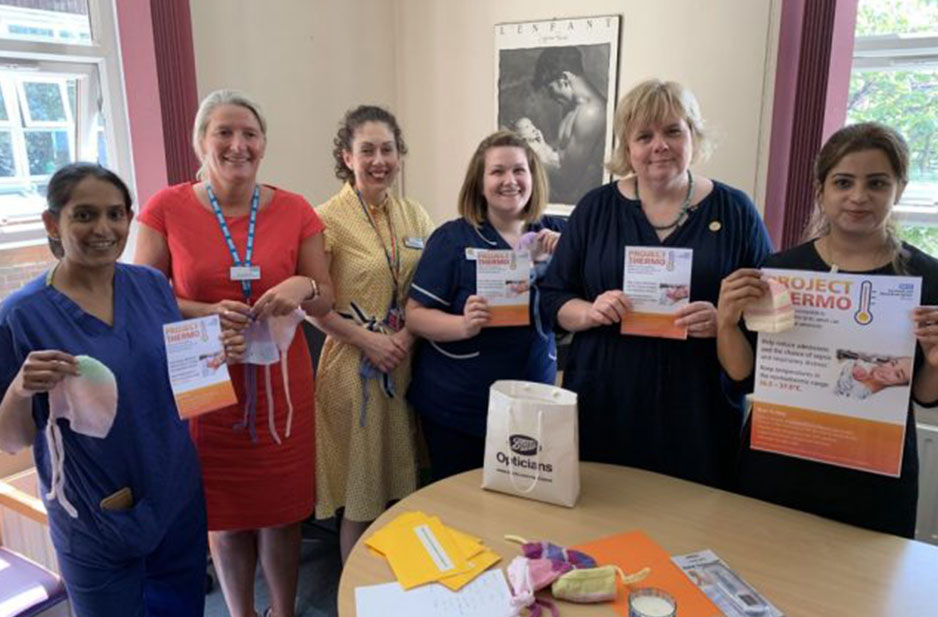
Maternity staff at a healthcare Trust, in the West Midlands, have launched an appeal for donations of knitted or crocheted baby hats in response to results from ‘Avoiding Term Admissions Into Neonatal’ (ATAIN) units research into the causes of admission in the newly born.

The team have also launched Project Thermo, a joint effort between maternity and neonatal, to support mum and baby to have effective skin-to-skin contact from birth, and for babies to maintain a consistent temperature. The project aims to educate parents on the need to maintain a healthy temperature for their baby.

With records indicating mild hypothermia being the cause of 1-in-5 admissions of babies to Birmingham City Hospital NNU last year, it is hoped that this will result in a significant reduction to admissions, as well as having the benefit of helping mother and baby stay together; something which provides benefits in itself as both mother and baby have a strong physiological and emotional need to be together during the post-birth period, helping to forge the bond between them.

Dr Rabia Zahid of Obstetrics and Gynaecology said: “Our aim is to promote thermo-regulation in the delivery rooms, in the recovery, anti-natal and post-natal rooms, when babies are present as well as around the time of delivery. Babies need a temperature of between 36.5°C and 37.5°C to remain healthy during this period and avoid being susceptible to hyperthermia.”

Writing on the department’s Better Births Facebook page, the team said: “All babies benefit from support to maintain their body temperature in the hours after birth and we are very low on hats that will fit a term new-born. If you would like to help by donating some hats to our maternity unit we would be very grateful. Hats can be knitted or crocheted, in any weight of yarn or colour and to any pattern you prefer.”

As a guide, the average new-born head circumference is between 31 - 36 cm and that any donations or creations would be gratefully received.

Hats should be sent to the Serenity Birth Centre / Labour Ward at City Hospital in Winson Green, in Birmingham.

Hundreds of children in Wolverhampton may not yet be fully immunised against measles, mumps and rubella.

As children prepare to start at primary and infant schools for the first time next month, Public Health England has warned that thousands of children in the West Midlands are not fully up-to-date with the MMR (measles, mumps and rubella) pre-school booster.

The figures, released as part of PHE’s Value of Vaccines campaign, show that some four and five-year-olds are starting school at unnecessary risk of serious diseases compared to their classmates, prompting a call for parents to check their child’s Red Book to ensure their children are up-to-date with scheduled immunisations. 

In the UK, dose one of the MMR vaccine is usually given to infants at around 12 months of age. A second dose is given before school, usually at three years and four months of age, to ensure best protection. Two doses of MMR in a lifetime are needed for a person to be considered fully protected. A four-in-one pre-school booster is also usually offered at three years and four months of age and protects against diphtheria, whooping cough, tetanus and polio.

But Public Health England estimates that around one in 19 five-year-olds may still need to receive their first dose of MMR, while one in seven haven't had their second. In addition, one in eight five-year-olds in England may still need their four-in-one pre-school booster.

Councillor Jasbir Jaspal, the City of Wolverhampton Council's Cabinet Member for Public Health and Wellbeing, said: "It's estimated that over 5% of five-year-olds are starting reception year having not received any MMR vaccine. This leaves them at high risk of measles at a time when outbreaks of the disease are occurring across the country.

"I'd encourage parents to check their child’s Red Book now to make sure there is a record of two MMR doses and the four-in-one booster vaccine. If not, parents should contact their GP practice to arrange any further vaccinations that are needed."

Dr Ashis Banerjee, Screening and Immunisation Lead in Public Health England West Midlands, added: “It’s a real concern that so many young children in our region could be starting school without the full protection that the NHS childhood immunisation programme offers for free. We know that parents want the best protection for their children and so many may be unaware that their child is not up-to-date.

“We’re particularly concerned about children being at greater risk of measles. We’ve seen outbreaks of this disease in the West Midlands in the past two years and we’re continuing to see outbreaks of the disease occurring in communities across the country, many linked to visiting European countries over the summer holidays.

“The vast majority of those affected are not fully immunised and vaccine preventable diseases spread more easily in schools. It’s crucial that children have maximum protection as they begin to mix with other children at the start of their school journey."

To check that your child has received all their vaccines on schedule, visit: https://www.nhs.uk/conditions/vaccinations/nhs-vaccinations-and-when-to-have-them/ and refer to your child’s Red Book. If in any doubt, contact your GP.

Measles is a highly infectious viral illness that can be very unpleasant and sometimes lead to serious complications. It’s now uncommon in the UK because of the effective MMR vaccination programme. Although usually a mild illness in children, measles can be more severe in adults.

The initial symptoms of measles develop around 10 days after a person is infected. These can include cold-like symptoms, such as a runny nose, sneezing, and a cough; sore, red eyes that may be sensitive to light; a high temperature (fever), which may reach around 40°C (104°F); a few days later, a red-brown blotchy rash will appear.

This usually starts on the head or upper neck, before spreading outwards to the rest of the body. Symptoms usually resolve in about seven to 10 days but complications include pneumonia, ear infections, inflammation of the brain and even death.

Students from two local Birmingham universities are spending their summer at health and care solutions provider, HealthTrust Europe (HTE), gaining valuable work experience skills to enhance their entry into the workplace.

The six internships are based at HTE’s headquarters in Edgbaston, across a range of business disciplines from financial analytics to Legal to marketing.

HealthTrust Europe is a solutions partner for health and care providers, helping them to source the best value products and services to deliver high quality patient care.

The summer-long internships have been offered to five second year students, and one graduate who have been studying a range of disciplines including Law, Biomedical Engineering and Economics at Aston University and the University of Birmingham.

The students have been allocated roles, in line with their studies, which will help them gain valuable experience and knowledge about the workplace before they enter the world of work. As well as gaining sector specific knowledge and learning to use various specialist business software packages such as Salesforce, the interns are also developing essential “soft” skills such as teamwork, problem solving and communications skills. Amidst a tough graduate labour market, the internships are paid the national living wage and are designed to equip students with the best skills to enter the workplace confident and prepared.

Emma Stewart, HR Business Partner said:

“As part of our commitment to developing employees of the future we have taken on six interns.

“HealthTrust Europe is a trusted partner for the NHS and commercial health and care providers sourcing a wide range of services and products such as pathology reporting, endoscopy, and consultancy and advisory services. To enable us to do this a broad range of skills and expertise are needed, so we have a wide range of interesting and exciting careers.

“Our staff are extremely knowledgeable and have a wealth of experience in many fields that they are keen to share with our interns.”

Marketing intern, Kiran Mehat said:

“Having the opportunity to work in an international organisation like HealthTrust Europe lets me develop my skills in the workplace and give me an idea of the career opportunities that exist.

“HealthTrust Europe really appealed to me as I wanted the opportunity to work for an organisation that is driven by the care and improvement of human life.”